Alex Eala's Serve: A Rising Star's Unique Challenge
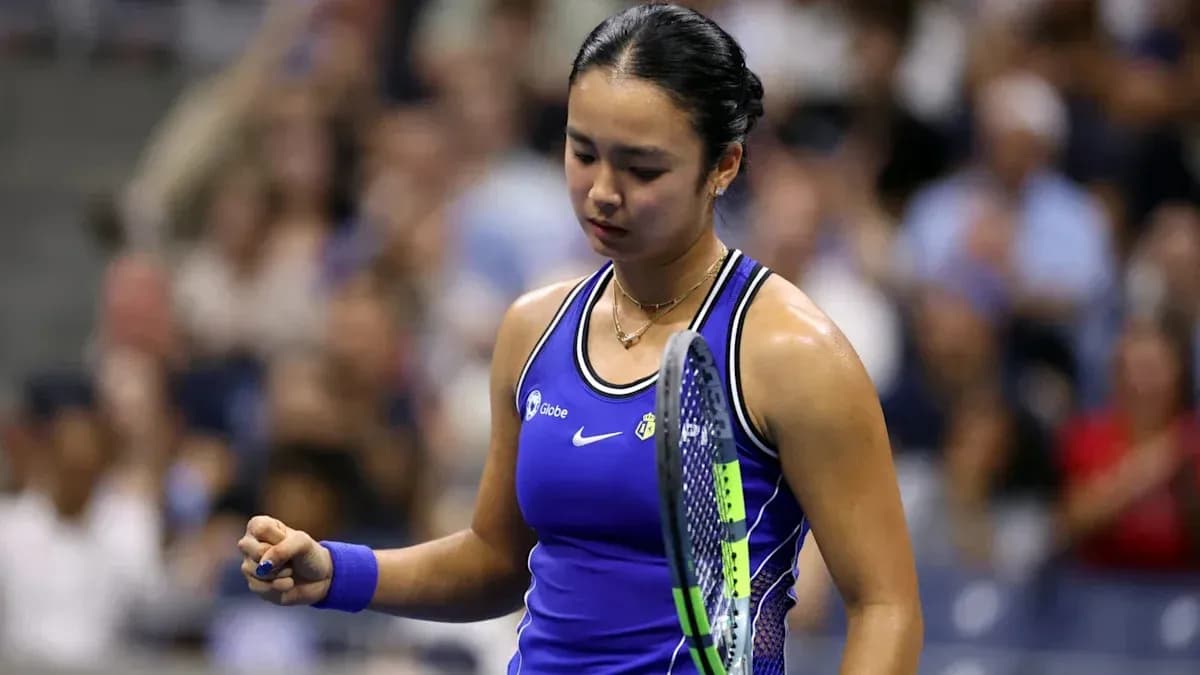
Alex Eala knows the joke. She just doesn’t love the punchline.
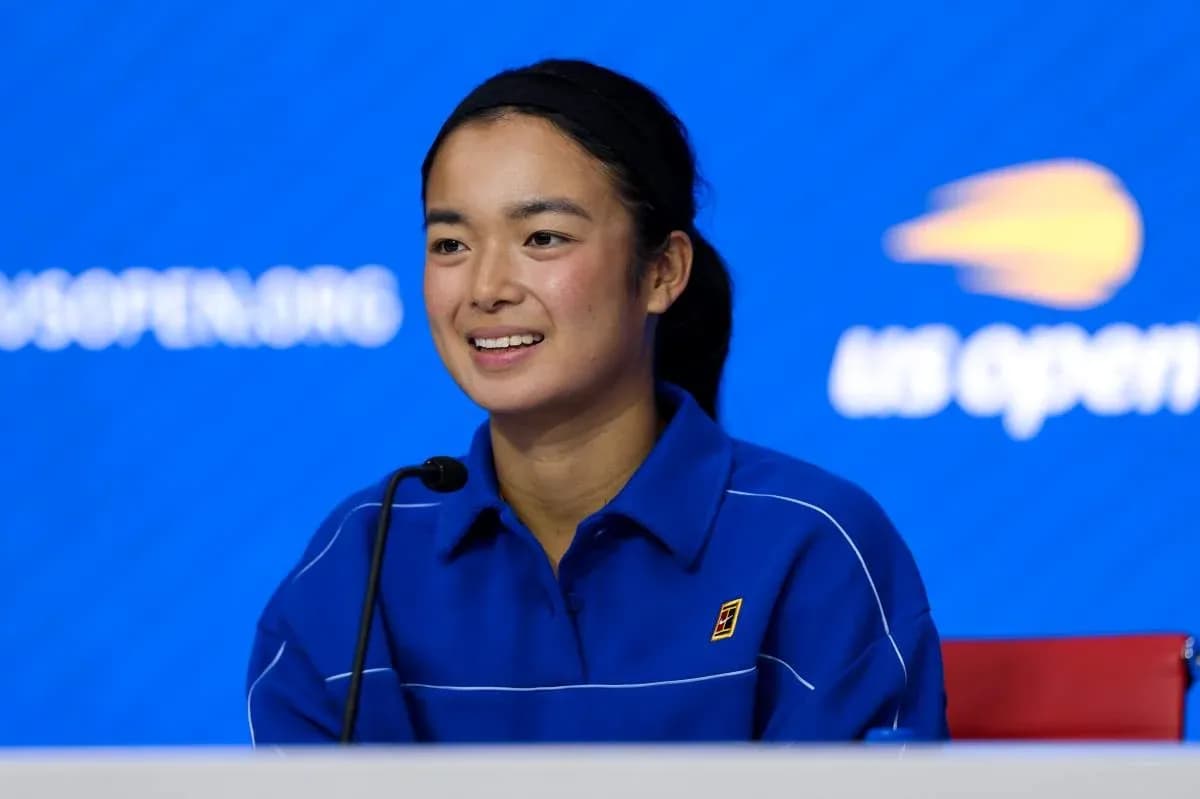
In the build-up to the US Open, the 19-year-old Filipino star sat in the interview room and faced a question that has followed her from Manila message boards to New York: “Fookelya.”
The word, born from Filipino gay slang and laced with a vulgar reference to female genitalia, has become a viral tag for her slower, quirky second serve. It’s on shirts. It’s in memes. It has slipped into international tennis conversations. A perceived flaw, rebranded by fans as a secret weapon.
Eala understands the intent. She still winced.
“Hindi siya masyadong positibong salita ’yon,” she said with a laugh at first, before adding that it was not, in her view, a particularly positive term.
The room needed context, so a Filipino reporter obliged, explaining how supporters had tried to flip the narrative. The serve that doesn’t scream through the court like the WTA’s biggest deliveries? They’ve turned it into a cult favorite. A trick shot. A running joke that actually flatters her, they insist, because it so often fools opponents.
Eala listened, smiled, then drew a line.
“Hindi ko alam kung ano ’yung pakiramdam ko sa salitang ’yon kasi it’s not a very positive term,” she said. In English, she admitted she’s torn about hearing it, given how much she has battled with that shot and how many hours she has poured into fixing it.
“And I love my serve,” she added, quietly but firmly.
A meme that escaped the timeline
This wasn’t just a local in-joke by the time she arrived in New York.
Filipino fans had already turned her second serve into a running meme long before the US Open. Clips circulated. Threads filled up. The nickname stuck so hard it broke out of its original online bubble and landed on international radar.
Broadcaster Blair Henley brought it to a wider audience on the Love All Podcast, framing Eala’s motion as unusual yet undeniably effective.
“It doesn’t have to look like Serena Williams’ serve to be effective,” Henley said, distilling what many analysts had started to see: the delivery is unorthodox, but the result often isn’t.
The attention gave Eala a chance to address it directly. She did not scold. She did not accuse her own fans of disrespect.
“I think I would appreciate a more positive term,” she said. “But I don’t think they mean it in a bad way.”
The nuance matters to her because of how she has been taught to think about that serve. Her coach at the Rafa Nadal Academy, Joan Bosch, has asked her to see it not as a flaw to mock but as family.
“Like my coach says, it’s like my little brother,” Eala said. “Parang ate ako sa serve ko.”
In Filipino culture, “ate” is the older sister—the protector. That metaphor goes a long way toward explaining why the meme cuts close. To her, this isn’t a punchline. It’s a younger sibling she has to guide, shield and, when needed, defend.
Why a slow ball can sting the best
The noise around Eala’s serve didn’t swell in a vacuum. It grew because the shot started to bother some of the best players in the world.
Before the Washington final, Jessica Pegula reportedly asked a practice partner to dial down his serve speed to mimic Eala’s pace. Pegula, one of the tour’s cleanest returners, knew the trap: players who feast on pace often struggle when they suddenly have to generate it themselves.
Iga Swiatek ran into the same problem on the lawns of Wimbledon. During her loss to Eala, the world No. 1 noted that the Filipino began serving “slower and slower,” dragging her into an awkward, unfamiliar rhythm far removed from the heavy, booming deliveries she usually faces.
From the commentary box, Andy Roddick, a former world No. 1 and one of the great servers of his era, broke down why Eala can “get away” with a slower delivery. The serve doesn’t need to end the point. It just needs to start it on her terms.
If the return comes back short or mishit, Eala’s groundstrokes take over. That’s where she punishes. One uncertain swing from her opponent, and she steps in, takes the ball early, and redirects it with pace. The serve becomes a setup, not a sledgehammer.
Not everyone is satisfied with that ceiling.
Rick Macci, the renowned coach who helped shape Serena and Venus Williams, offered a more critical technical view before Eala’s US Open opener. He praised her movement and early ball-striking but wrote that the serve “biomechanically has to be rewired” for her to climb to the next level.
At the same time, he predicted something else: nerves. With her profile surging and an “Eala Earthquake,” as he called it, building around her first-round match, Macci expects the emotional weight to press hardest on the very shot everyone is watching.
Roddick sees why it works now. Macci sees how much more damage it could do if rebuilt. Eala stands in the middle of those assessments, competing with the serve she has, protecting the serve she believes she can grow.
New York spotlight, old questions
Eala walks into this US Open carrying a career-high ranking of No. 18 and the No. 17 seed in women’s singles. The draw handed her American qualifier Mary Stoiana, an opponent she already knows how to beat. Their only previous meeting, at the W100 event in Landisville, Pennsylvania, in 2024, ended 7-5, 6-2 in Eala’s favor.
Now the stage is bigger, the stakes heavier, and every delivery will be dissected. Speed. Placement. That odd, teasing rhythm. Cameras will track it. Commentators will analyze it. Social media will clip it and, inevitably, drag the nickname back into the conversation.
Eala is not asking her fans to stop loving that serve. She isn’t asking them to stop celebrating the way it trips up world-class returners or derails the rhythm of champions.
She is asking for something else.
If this second serve really is the little brother of her game—fragile at times, infuriating at others, but hers to raise—she wants it called by a name that matches the care she gives it. In New York, as the ball toss goes up and the world leans in, that small act of respect might be the one thing she can’t generate with her racket alone.