Abhishek Sharma: From Amritsar Prodigy to T20I Record Holder
On most days, cricket’s numbers feel cold. With Abhishek Sharma, they feel like an eruption.
From a three-and-a-half-year-old in Amritsar gripping a bat twice his size to the owner of the highest ICC T20I batting rating in history, his rise has been less a steady climb and more a series of detonations. Each stage of his career has arrived with a thud you could hear across formats, across continents.
The boy who wouldn’t put the bat down
The story begins at home. His father, Raj Kumar Sharma, a former cricketer, put a bat in his hands before most children start school. The obsession was instant. By the time other kids were learning to write, Abhishek was learning to clear fields.
Punjab’s age-group system quickly became too small for his appetite. In the 2015-16 Vijay Merchant Trophy, he didn’t just score runs, he devoured them: more than 1,200 at an average of 109.09, with 57 wickets on the side. Those are not under-16 numbers; those are “take notice now” numbers.
He captained Punjab to the Under-19 Asia Cup title in 2016. Two years later, he was part of India’s triumphant Under-19 World Cup campaign in 2018, another rung climbed, another promise underlined.
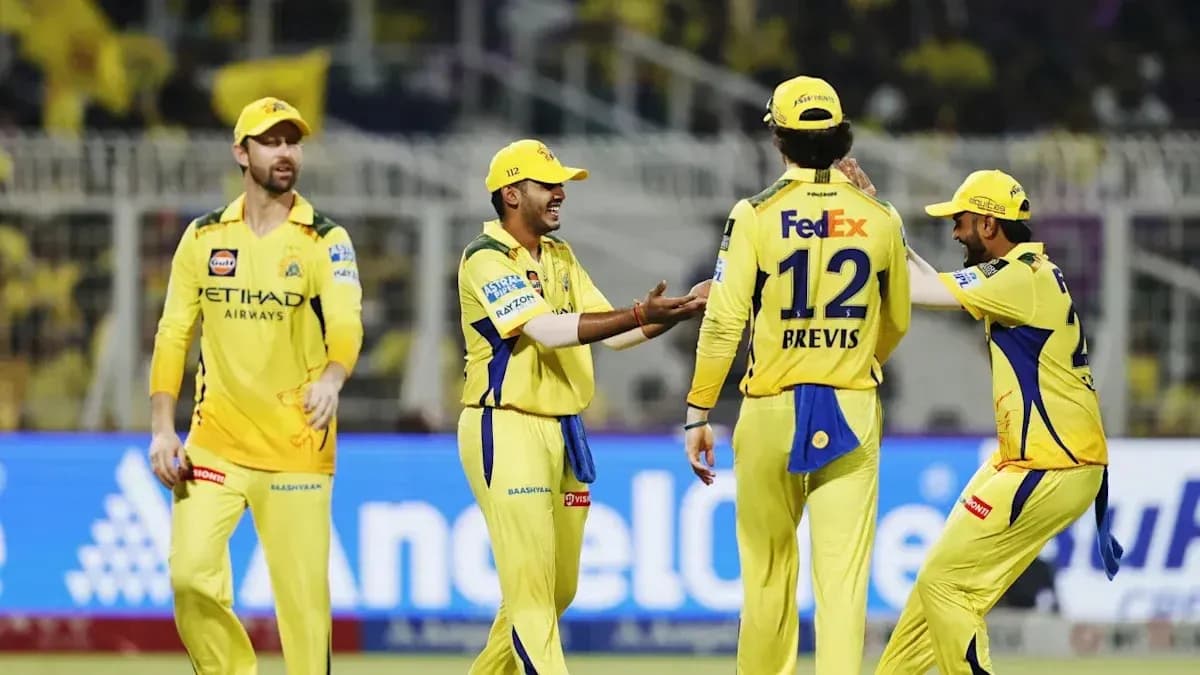
The IPL came early. Delhi Daredevils picked him up in the 2018 auction when he was just 17. The league, though, did not bend to him immediately. No overnight sensation, no instant superstar. Instead, he slipped back into the grind: domestic cricket, sporadic IPL opportunities, long days of work away from the spotlight, sharpening a game built for impact but in need of polish.
He was waiting for the right stage. When it came, he didn’t just walk through the door. He kicked it down.
Yuvraj’s imprint and a fearless template
The turning point wore a familiar name. Yuvraj Singh stepped into his life not as a distant idol but as a hands-on mentor, especially during the long, quiet months of the Covid-19 lockdown.
Yuvraj saw what many coaches might have tried to tame. The left-hander’s instinct to attack, to hit hard, to hit long. Instead of filing down the edges, he sharpened them. Don’t retreat. Don’t go half-measure. Commit.
That mindset became the core of Abhishek’s T20 identity.
His India debut in T20Is came in July 2024. A new name in a crowded format, another talented left-hander in a country full of them. Then came February 2025 in Mumbai, against England, and the conversation changed.
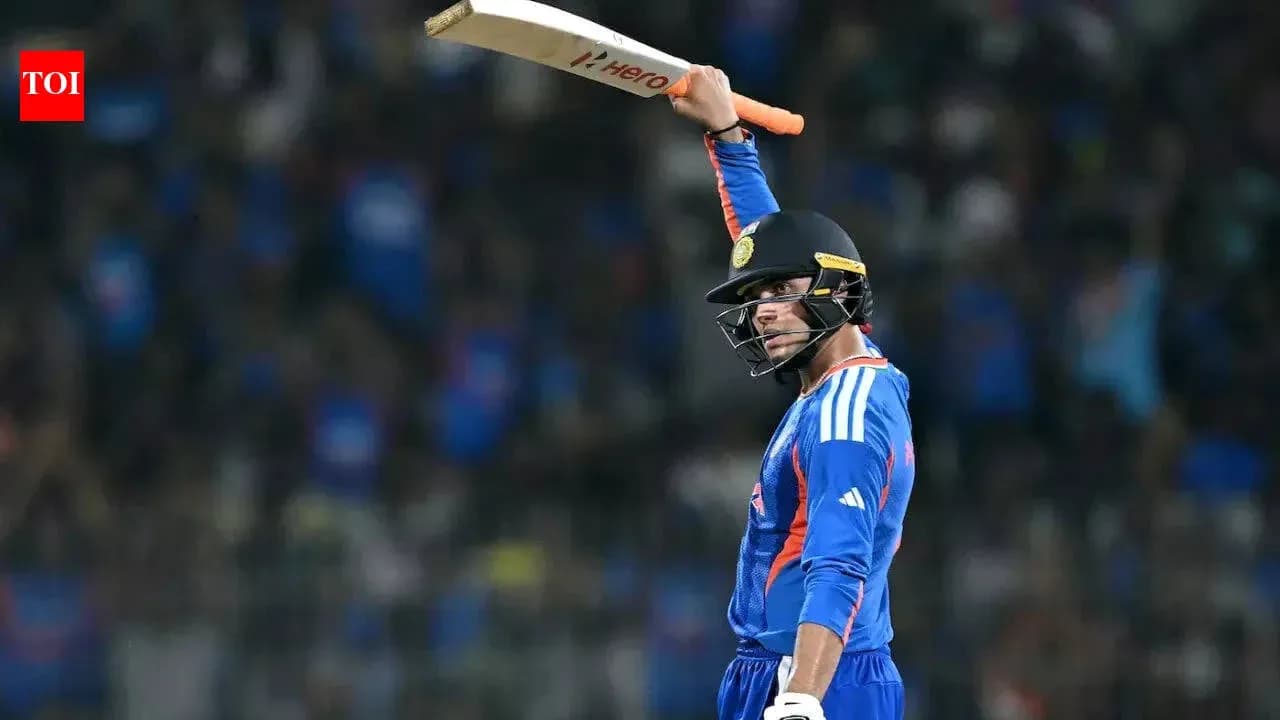
He smashed 135 off 54 balls. Thirteen sixes. A hundred in 37 balls. It wasn’t just a big score; it was a statement of intent. An innings that forced bowlers, analysts, and selectors to reframe who he was. That day, Abhishek Sharma stopped being a prospect and became a threat.
Asia Cup dominance and a world record
The 135 looked like a peak. It turned out to be a starting point.
At the 2025 Asia Cup, he moved from breakout star to India’s primary weapon at the top. Seven matches. 314 runs. A strike rate of 200. Player of the Tournament as India lifted the trophy.
He didn’t accumulate; he attacked from ball one and kept going, turning powerplays into demolition zones. The impact wasn’t just on the scoreboard. It was psychological. Teams knew that if they didn’t get him early, the game could tilt beyond recovery.
That run of form carried him into rare air. After a 61 against Sri Lanka, the ICC T20I rankings delivered the verdict: 931 rating points, the highest ever achieved by a men’s T20I batter. He sailed past Dawid Malan’s previous mark of 919 and moved beyond the best peaks of Suryakumar Yadav and Virat Kohli.
In a format built on volatility, where form flickers and fades, Abhishek had stitched together something sustained enough to rewrite the record books.
Built to destroy: the 2025 numbers
Look at his 2025 numbers and the scale of his transformation becomes even clearer.
He became the first player in history to score more than 1,000 runs in T20 cricket in a calendar year while striking at over 200. That’s not slogging. That’s sustained, calculated violence. He closed the year with a strike rate of 202 and 108 sixes, a tally that reads like a misprint until you double-check and realise it isn’t.
The IPL, often the harshest judge, saw the full force of his evolution. For Sunrisers Hyderabad in 2025, he unleashed a brutal 141 off 55 balls against Punjab Kings. Fifty in 16 balls. Century in 40. Fourteen fours. Ten sixes. A chase of 246 made to look like a routine exercise in timing and audacity.
That innings broke KL Rahul’s record for the highest score by an Indian batter in IPL history. It also underlined something else: when Abhishek gets it right, the usual rules of risk and reward don’t seem to apply.
His growth has been layered, not accidental. Yuvraj’s mentoring gave him a mental template. Shikhar Dhawan’s calm and experience added nuance. Brian Lara’s presence at Sunrisers offered a masterclass in shot selection and tempo. Travis Head, at the other end, showed how two ultra-aggressive openers can suffocate even elite bowling attacks.
The result is a T20 batter designed for destruction, but built on lessons from some of the game’s sharpest minds.
World champion and still rising
By the time the 2026 T20 World Cup arrived, Abhishek was no longer a curiosity. He was a cornerstone.
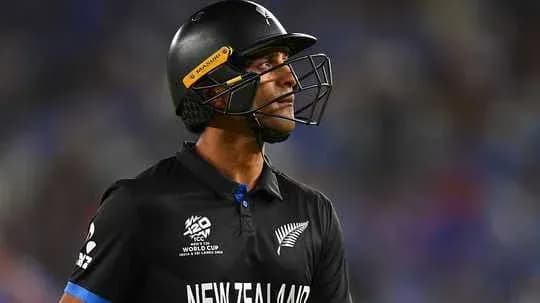
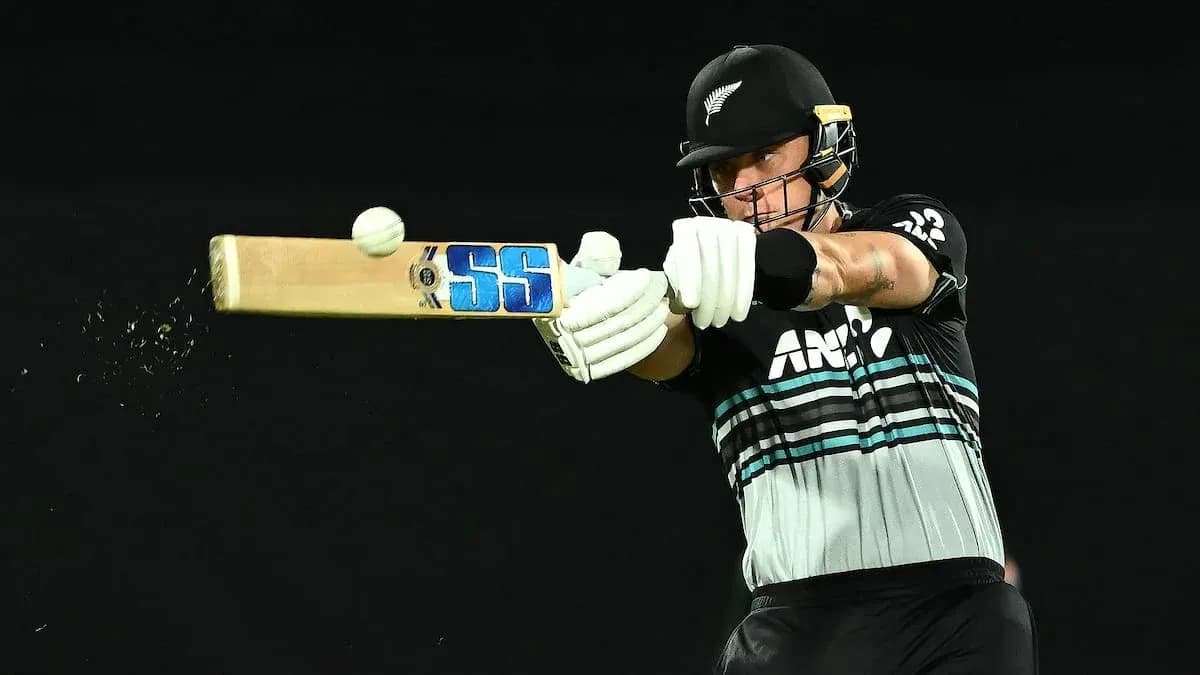
India went all the way, and he played a crucial role in the title run. On the biggest night, in the final against New Zealand, he didn’t shrink. He smashed 52 off 21 balls, another powerplay assault that set the tone for a World Cup-winning performance. Finals often turn tight and nervy; Abhishek made sure this one started on India’s terms.
The arc from Amritsar kid to World Cup match-winner had come full circle. Yet the numbers say he is still climbing.
The T20I ledger so far
By the end of 2026, Abhishek Sharma’s T20I record already reads like a career compressed into three breathless years.
He has played 56 T20Is between 2024 and 2026, scoring 1,629 runs in 55 innings at an average of 30.73. The real headline sits alongside that average: a strike rate of 187.24. Two centuries. Eleven fifties. A highest score of 135. A boundary chart stacked with 164 fours and 104 sixes.
Every innings carries the same message: he is not here to survive. He is here to change the shape of a game in a handful of overs.
The boy who picked up a bat at three-and-a-half now sits atop the T20I world, rating points and records in his wake. The only question left is how much higher he can push a format that suddenly seems built in his image.