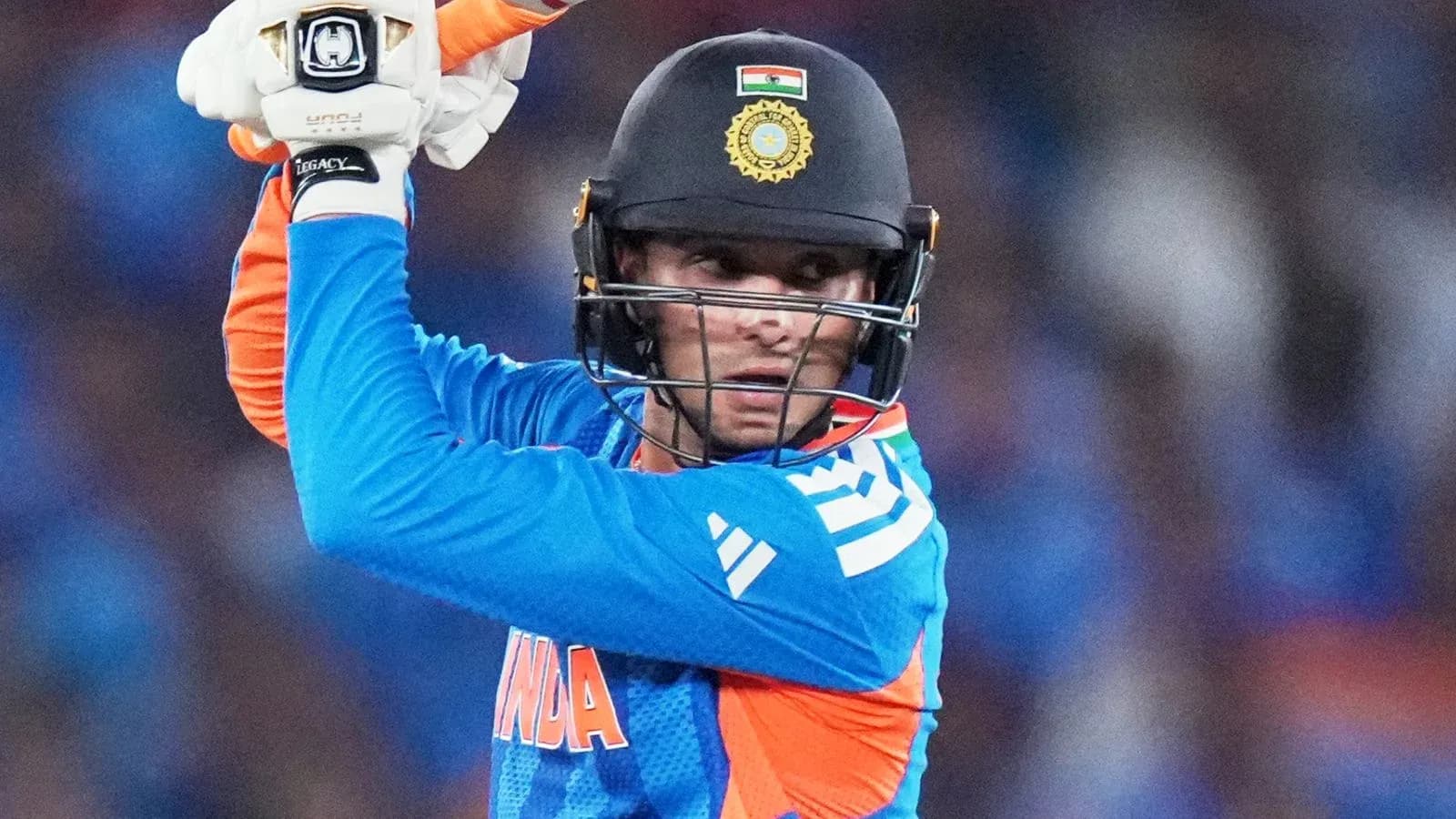
Abhishek Sharma's Record-Breaking 30-Ball T20I Century
On a cool evening in Delhi, Abhishek Sharma didn’t just bat. He detonated.
The left-hander ripped into Afghanistan’s attack to crash a 30-ball hundred, the fastest T20 international century ever by a batter from a Test-playing nation. By the time he walked off, India had 221 on the board, Afghanistan were dazed, and a young man from Punjab had muscled his way into cricket’s global conversation.
A hundred at warp speed
Abhishek’s 108 from just 34 deliveries was violence dressed up as timing. Eleven times he cleared the ropes. Nine times he threaded the ball to the boundary. Afghanistan kept changing plans; Abhishek kept changing gears.
The numbers tell you it was quick. The context tells you it was outrageous.
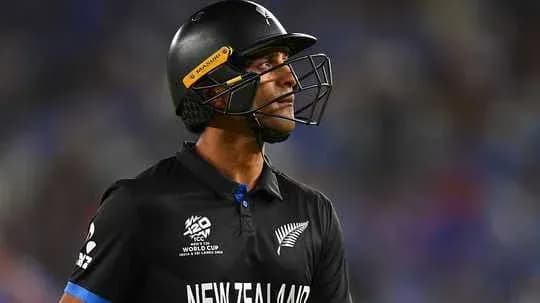
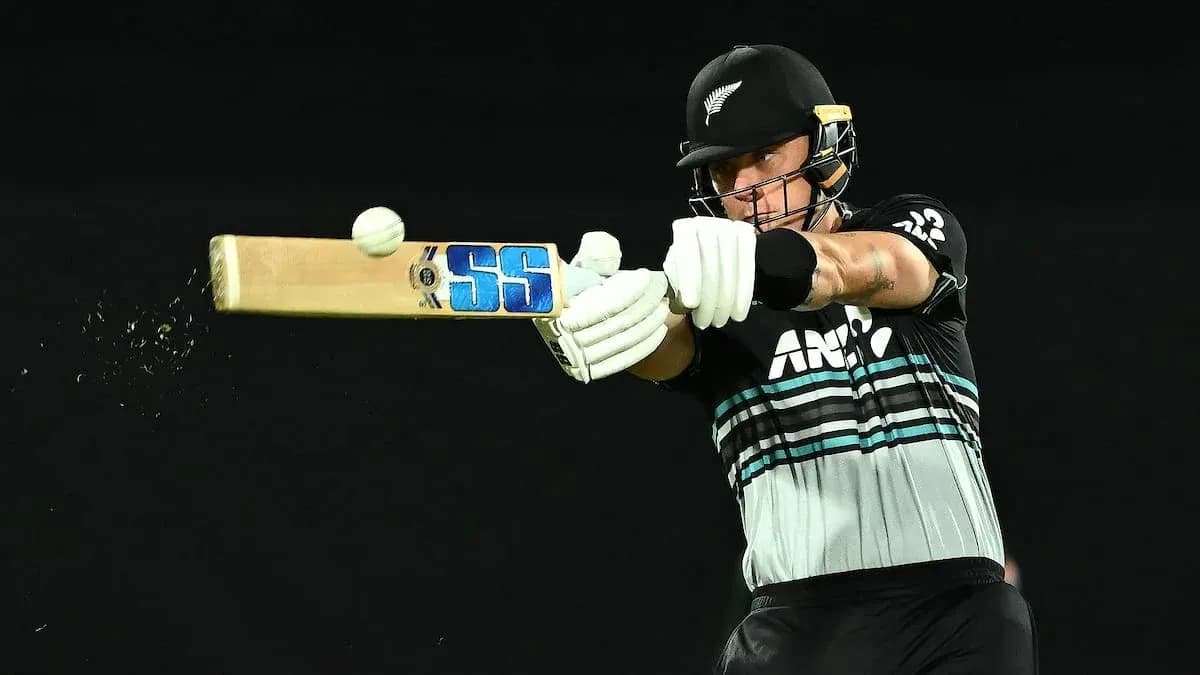
He sliced three balls off the previous benchmark held jointly by Finn Allen and Sikandar Raza, both of whom had needed 33 deliveries for their T20I hundreds. Allen’s came in a high-pressure T20 World Cup semi-final against South Africa in Kolkata earlier this year. Raza’s arrived against Gambia in October 2024. Those knocks were already lodged in the format’s folklore.
Abhishek has just shoved them down a rung.
His hundred is also now the fastest in a T20 international contested between two Test-playing countries, a detail that matters in a format often padded with mismatches and lopsided scorecards.
Among the fastest ever
Only two men have ever gone quicker to three figures in a men’s T20I, and both did it far from the glare of the big Test nations. Estonia’s Sahil Chauhan blazed a 27-ball ton against Cyprus in 2024. Turkey’s Muhammad Fahad reached his hundred in 29 balls against Bulgaria the following year.
That is the company Abhishek now keeps in the record lists.
In the women’s game, Deandra Dottin’s 38-ball masterpiece for West Indies against South Africa in St Kitts back in 2010 remains the standard. Different era, different contest, same sense of disbelief.
Rewriting India’s record book
For India, this was more than a spectacular cameo. It was a reshaping of their own T20 history.
Rohit Sharma’s 35-ball hundred against Sri Lanka in Indore in 2017 had stood as the nation’s quickest in T20Is. It now sits second. Abhishek has pushed past his more decorated namesake and, in the process, climbed another list: he already owns three T20I centuries, the third-most by an Indian behind Rohit’s five and Suryakumar Yadav’s four.
This is no one-off burst. On the domestic circuit, bowlers had already seen this coming. Earlier in 2024, Abhishek smashed a 28-ball hundred for Punjab against Meghalaya in a domestic T20, a hint that this level of acceleration was not a fantasy but a habit.
Delhi simply provided the global stage.
Series sealed, Afghanistan swept aside
Once Abhishek was done, the game itself felt like a formality.
India’s 221-7 was always going to loom large. Afghanistan never got close. Their chase never settled, never built, never threatened. They folded for 94, gone in 14.1 overs, the series slipping away in a 3-0 sweep.
Abhishek still found a way to leave a mark in the field, pouching a catch as Afghanistan’s innings crumbled. Nitish Kumar Reddy joined the demolition with the ball, grabbing three wickets in a single over – the 12th – to rip out the remaining resistance.
By then, the contest had long since tilted. The real story had already been written in those first 34 balls from Abhishek Sharma’s bat.
The question now is not what he did in Delhi. It’s how far, and how fast, he can go from here.