2026 U.S. Open Faces Crowd Chaos Amid Influencer Backlash
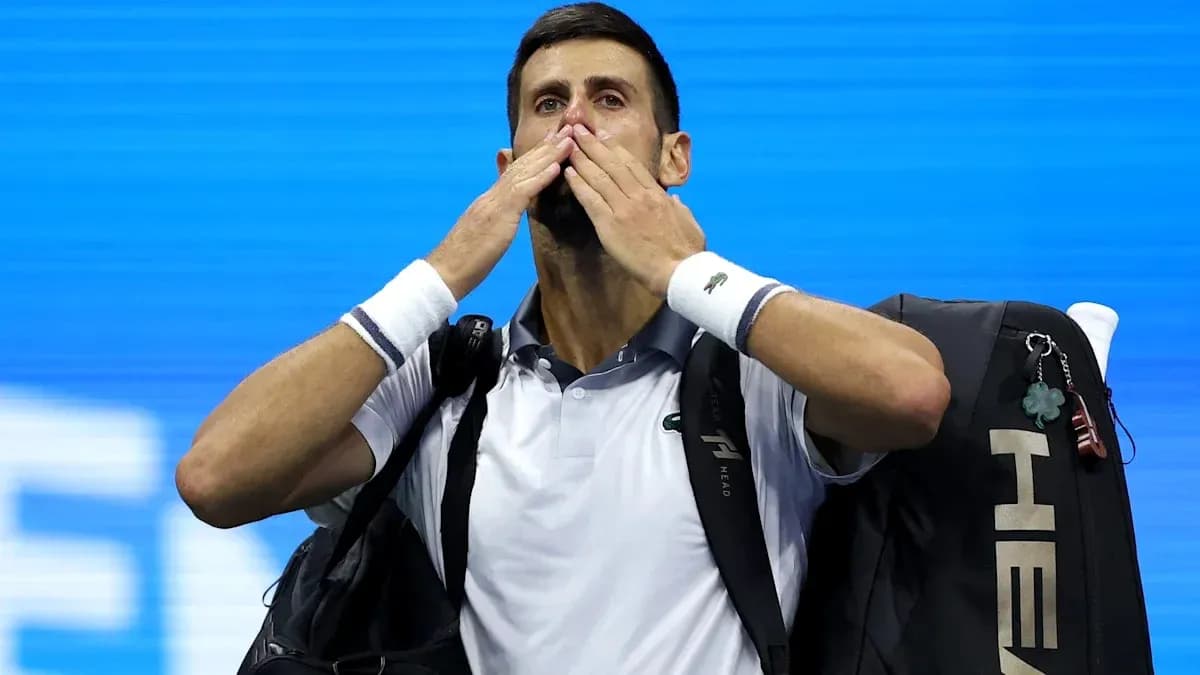
On court, the 2026 U.S. Open has had everything a Grand Slam could want. Novak Djokovic out in the first round. The women’s draw lit up by its biggest stars. Underdogs on the men’s side refusing to go away.
It should have been a fortnight remembered for pure tennis. Instead, the soundtrack has been something else entirely.
Influencers in the Firing Line
The flashpoint sits away from the baseline. Tournament organizers invited a wave of social media influencers to Arthur Ashe Stadium, hoping to juice global interest and reach new audiences. They got attention, just not the kind they wanted.
Influencers have been called out for ignoring basic tennis etiquette: filming during points, chatting through rallies, treating seats like a backdrop rather than a vantage point. Clips and complaints have spread quickly, and the backlash has been fierce.
The question has come thick and fast: should influencers be at a Grand Slam if they don’t respect the sport’s unwritten rules?
Noise That Drowns Out the Tennis
But blaming it all on influencers would be too easy.
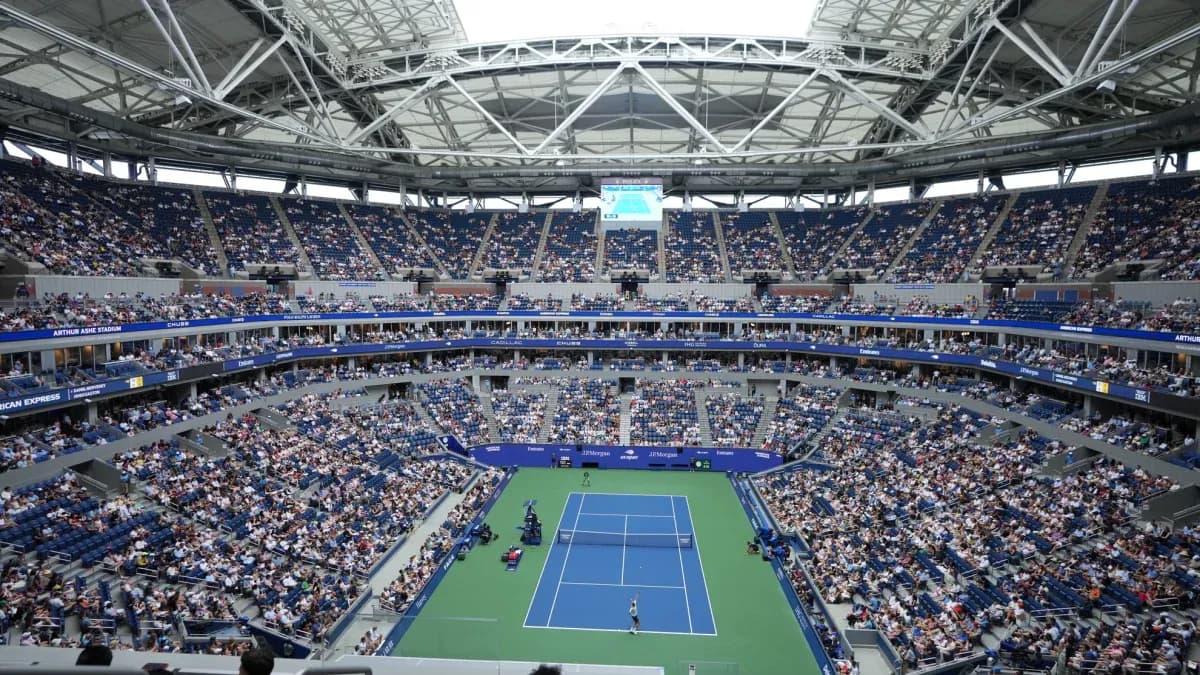
During a night session at Arthur Ashe Stadium, the issue exploded into full view. As play continued on the main court, the lower bowl resembled a concourse, not a cathedral of tennis. Fans got up mid-point. Conversations carried on at full volume. The hum never dropped to the hush players expect when the ball is in play.
This wasn’t a one-off phone flash or a single loud shout. It was a sustained, jarring noise that cut straight across the match. For a sport built on concentration, timing, and rhythm, it felt like an intrusion.
That scene told its own story: this is no longer just an “influencer problem.” Casual fans are missing the basics of how to behave at a tennis match.
A Grand Slam Losing Grip on Its Own Standards
Tennis has always had its own code. Silence during points. Movement only on changeovers. Respect for the players’ focus. The U.S. Open has traditionally balanced that with a more raucous New York edge, but there is a line.
This year, that line looks badly blurred.
When spectators roam the lower level during live points and the noise barely dips between serves, it points to something deeper than a few unruly guests. It suggests crowd control has slipped, and that the message about etiquette either isn’t being sent clearly enough or isn’t being enforced.
For a tournament of this scale, that is a serious problem.
Backlash Incoming
Organizers now find themselves under pressure on two fronts: from traditional fans appalled by the scenes in Arthur Ashe, and from players who expect a Grand Slam to protect the integrity of the contest.
The tennis has delivered. The atmosphere, at times, has not.
When the final ball is struck in New York, the debate will not stop at whether Djokovic’s early exit reshaped the draw or which star owned the women’s side. It will turn to a harsher question for the U.S. Open’s hierarchy:
How did one of the sport’s showpiece events lose control of its own crowd?