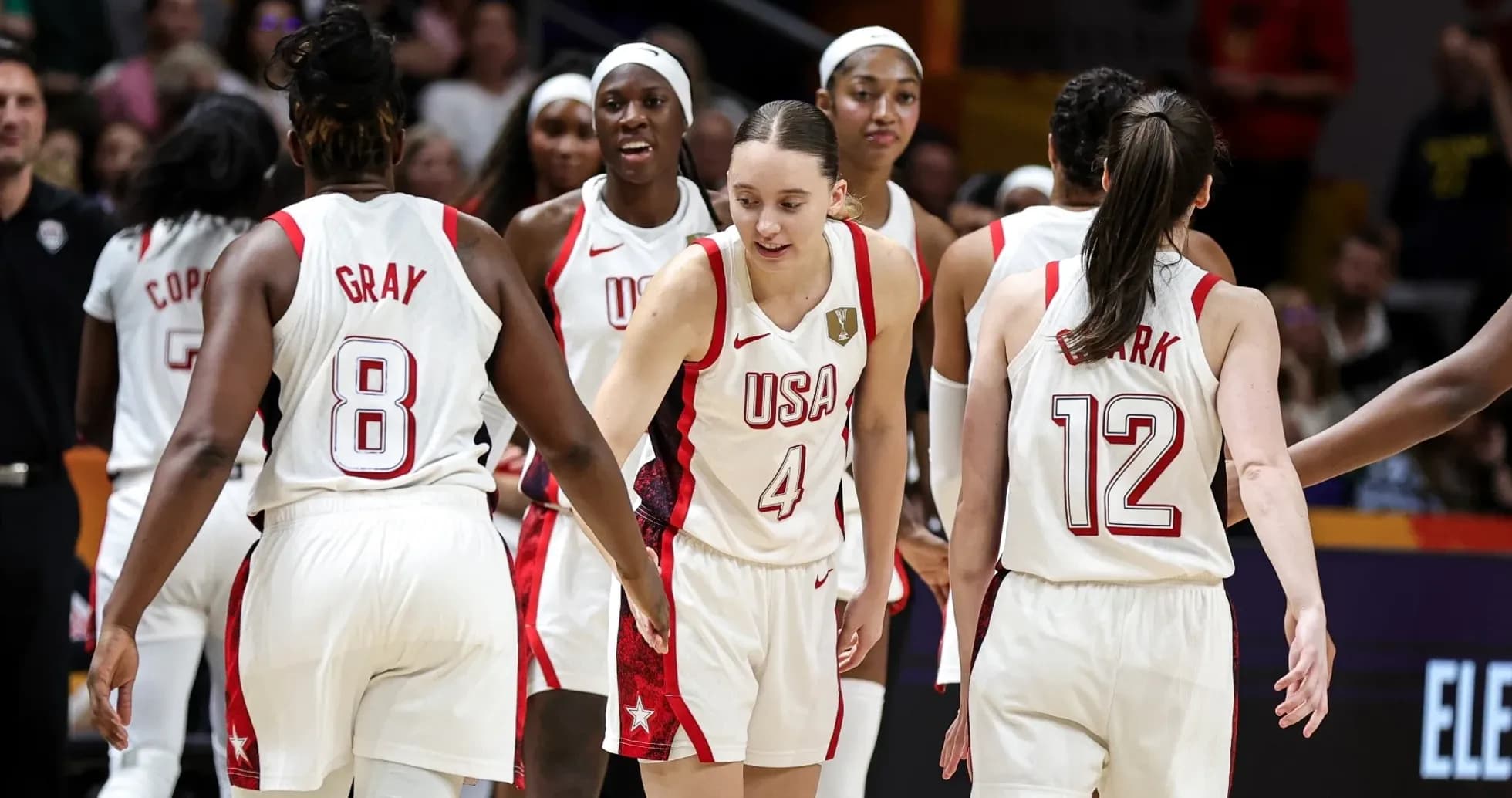
U.S. Women's Basketball Dominates Hungary 108-56 in World Cup Quarterfinals
BERLIN — The U.S. didn’t just advance. It made a statement.
Napheesa Collier poured in 19 points as the Americans dismantled Hungary 108-56 on Thursday, storming into the FIBA Women’s World Cup semifinals and rewriting parts of the record book along the way.
They now wait for Spain or Australia in Saturday’s medal round. On the other side of the bracket, France faced China and Belgium met host Germany, but this night in Berlin belonged to a U.S. team operating at full throttle.
A Juggernaut in Top Gear
The numbers are starting to sound unreal. This win stretched the United States’ World Cup streak to 34 straight victories, a run that dates back to a semifinal loss to Russia in 2006. Since the tournament adopted a medal-round format in 1983, the Americans have never missed it. They weren’t about to start now.
This was a quarterfinal, but the U.S. treated it like a track meet.
They hung 108 points on Hungary — the most ever scored by any team in a World Cup quarterfinal. They piled up 31 assists, another record for this stage. The ball zipped, the cuts were sharp, and Hungary simply couldn’t keep up.
“When that ball is moving, we want to get the best possible shot,” said Kahleah Copper, who added 10 points. “We want to make sure everybody gets involved. Everyone here on this roster, we know what they’re doing on their respective (WNBA) teams. But you come here, you sacrifice a little bit of that.”
That sacrifice looked a lot like domination. Good shots turned into great ones. One extra pass became two. Hungary kept chasing shadows.
Blitz from the Opening Tip
The tone was set almost immediately.
The U.S. tore out to a 36-12 lead after the first quarter, pounding the ball inside and turning every sloppy Hungary pass into a sprint the other way. Layup after layup, and then another. Collier dropped 10 points in the opening 10 minutes, the anchor of a first-quarter avalanche.
Caitlin Clark and Angel Reese added a glimpse of what their future together might look like in U.S. colors. On the final possession of the quarter, they ran a crisp pick-and-roll, Clark threading the pass, Reese finishing just before the buzzer. It was a small moment in a big win, but it crackled with promise.
The onslaught didn’t ease up. The Americans hit 20 of their first 26 shots — a staggering 77% — and drilled five of their first six attempts from beyond the arc. With six minutes left in the second quarter, the scoreboard read 50-18. The contest, in truth, was already over.
By halftime, it was 59-30. According to FIBA, no U.S. team had ever scored that many points in the first half of a knockout game at this event. This one did it without ever seeming rushed.
Clark Orchestrates, Citron Scare
Clark finished with 10 points and nine assists, flirting with what would have been her second double-double of the tournament. She controlled the tempo, picked out shooters, and repeatedly found bigs in stride. The only thing that stopped her from another double-double was the lopsided score.
There was one moment of concern. In the third quarter, Sonia Citron took an accidental hand to the nose from a Hungary player and had to leave the game. The U.S. bench watched closely, but the worry didn’t last long. Citron returned to start the fourth quarter, easing any nerves on the sideline.
By then, the lead had ballooned, the rotations had deepened, and the Americans were already thinking about the next challenge.
Defense Slams the Door
For all the fireworks on offense, the U.S. defense carved out its own storyline.
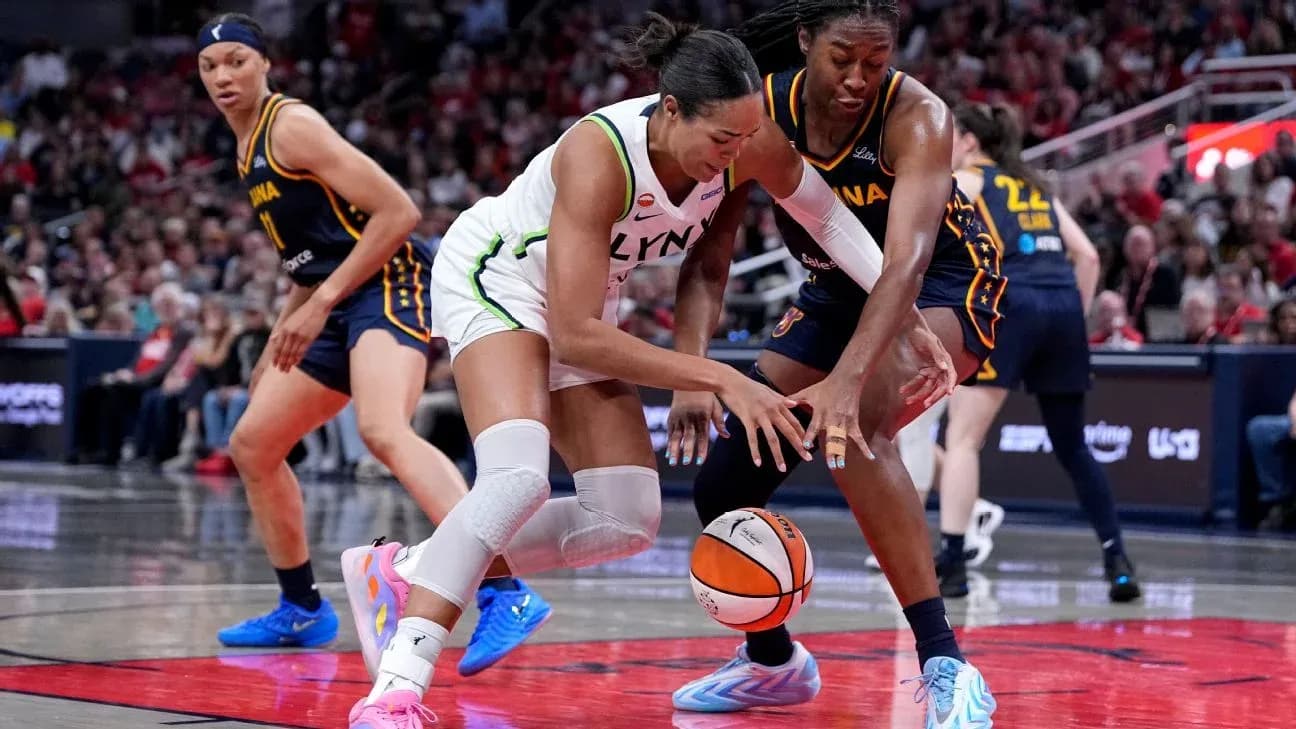
Hungary’s centerpiece, Dorka Juhasz of the Minnesota Lynx, entered the game averaging 15.3 points and 11 rebounds in the tournament. Against this American wall, she found nothing easy. Juhasz missed her first seven shots and didn’t see the ball drop through the net until just 2:26 remained in the first half.
She finished with two points on 1-of-12 shooting. The U.S. chased her off her spots, crowded her touches, and cut off the passing lanes that usually feed her. When Hungary’s main threat vanished, so did any realistic hope of an upset.
Hungary’s Best Run, America’s Higher Standard
Hungary’s campaign still carries historic weight. By reaching the quarterfinals, it recorded its best World Cup finish in the modern era. The country placed fifth back in 1957, but that came in a round-robin format without medal rounds. This time, they stepped into the last eight and stayed there.
They just ran into a machine.
The U.S. moves on again, unbeaten again, with another record or two tucked into its luggage. Spain or Australia awaits, both capable, both dangerous.
The Americans have been here every tournament since 1983. The real question now is not whether they reach the podium — it’s who can possibly knock them off it.