US Open 2023: Alcaraz, Sabalenka, and Osaka Face Early Challenges
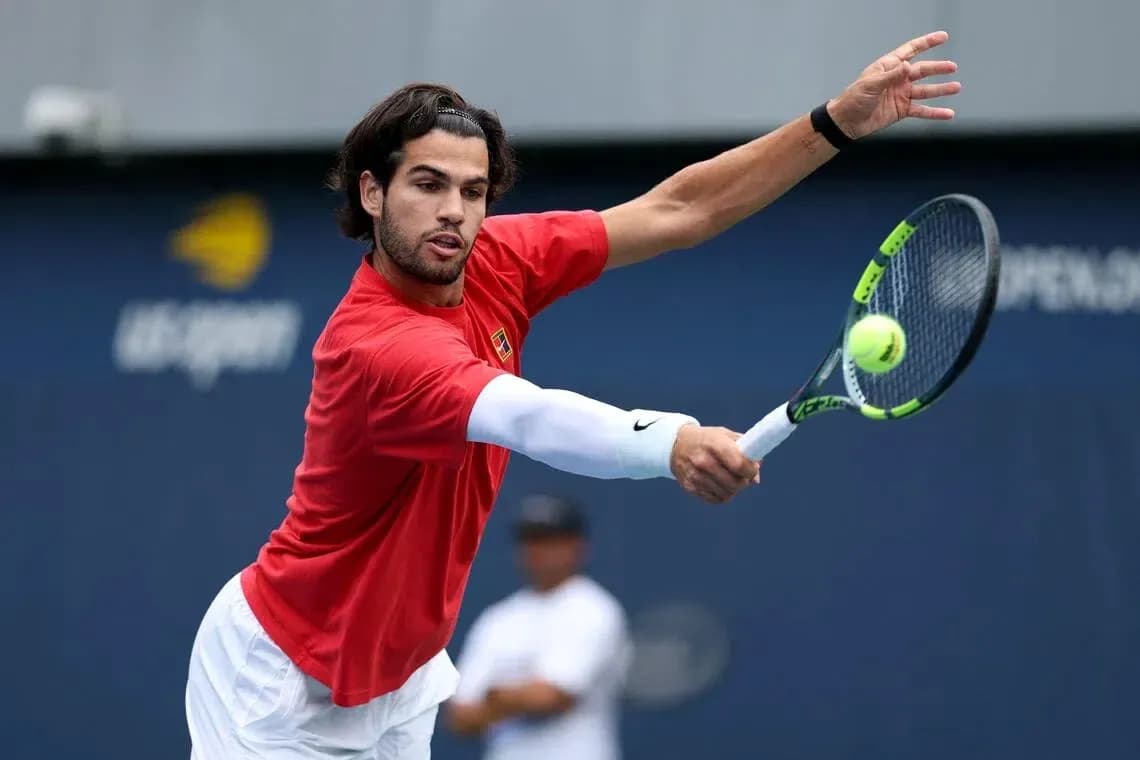
NEW YORK – Carlos Alcaraz walks back into the cauldron of Flushing Meadows with no soft landing, no gentle easing into a title defence. Four months without a competitive ball struck in anger, a right wrist rebuilt in the shadows, and his first assignment is a dangerous hitter who already knows how it feels to beat him.
Day 2 of the US Open is loaded. The men’s defending champion. The women’s world No. 1 fighting to stop a slide. A two-time US Open winner chasing the player she once was. It feels less like an opening week and more like the second week arrived early.
Alcaraz back under the lights
Roman Safiullin is not the ideal opponent for a player searching for rhythm. The Russian, 29, hits flat, hard, and with enough conviction from the baseline to make even a fully sharp Alcaraz uncomfortable. He showed that on grass at Wimbledon, where he powered past Andrey Rublev and Joao Fonseca to reach the fourth round before pushing Novak Djokovic to four sets.
The head-to-head sits at 1-1, and the history matters. Safiullin stunned Alcaraz at the ATP Paris Masters in 2023, bullying him from the back of the court and exposing the rare moments when the Spaniard’s all-court brilliance can look rushed and impatient. Alcaraz hit back at the Paris Olympics the following year, adjusting, tightening his patterns, and restoring order.
Now the context changes again. This is his first match since April, his first serious test of that right wrist in full combat. The Australian Open champion has already locked up the career Grand Slam at a younger age than anyone before him, but he wants something more specific here: a season bookended by majors, Melbourne to New York with a long, anxious gap in between.
He insists the work has been done. The practice sessions have been brutal by design, the intensity dialled up to test the joint and his nerve. He says he is ready to “go 100 percent”. Under the New York lights, against a man who has already cut him down once, we will find out how close that is to the truth.
Sabalenka fights to stop the slide
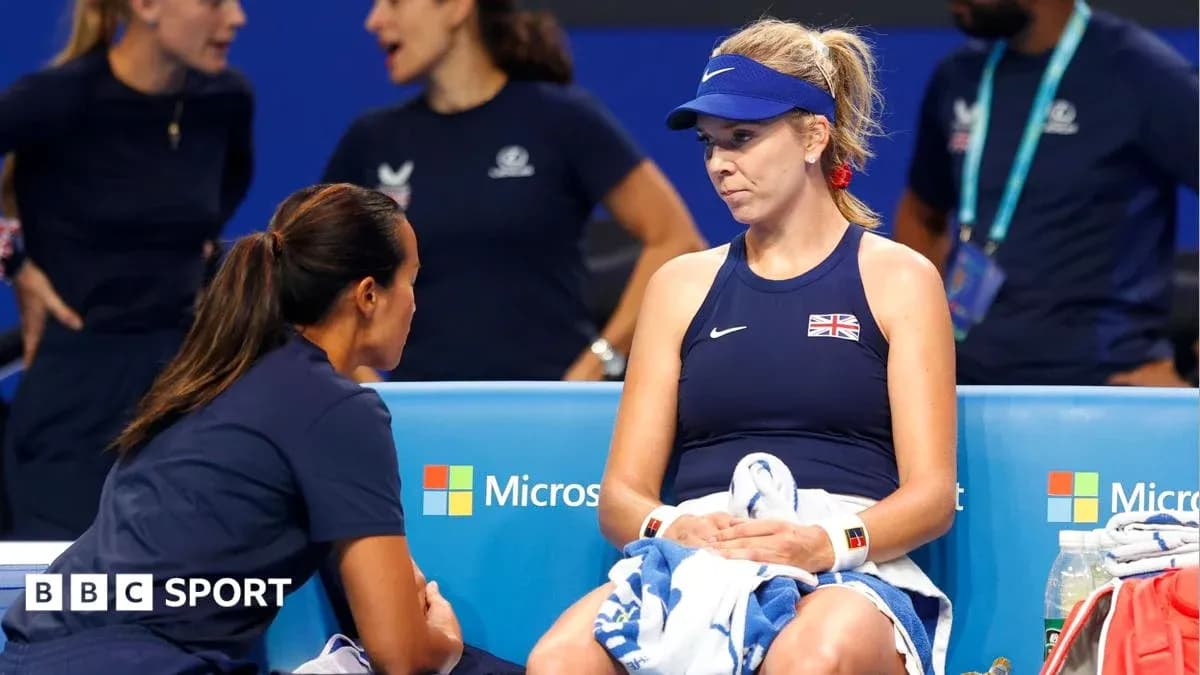
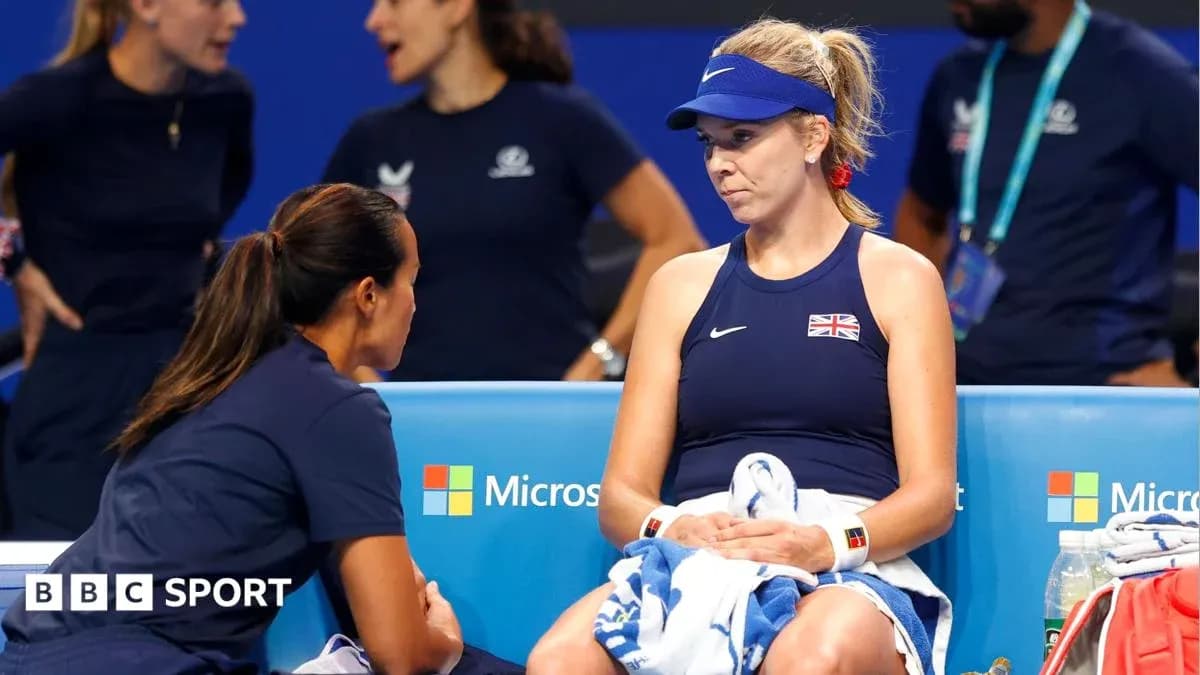
On the women’s side, Aryna Sabalenka walks into this US Open carrying a strange burden: she could win the title for a third straight year and still lose her world No. 1 ranking.
Her season looked unstoppable in March. Titles at Indian Wells and Miami, both on hard courts, stamped her authority on the tour. Add the Brisbane trophy and an Australian Open final in January, and the Belarusian seemed to be building a year for the ages.
Then the drop. A quarter-final exit at Roland Garros. A fourth-round loss at Wimbledon. The results didn’t collapse, but the aura did. The certainty that she would simply hit through the field on any surface has wobbled.
Now she opens against Camila Osorio, ranked 59th but stubborn and resourceful enough to drag opponents into long, awkward rallies. Sabalenka leads their head-to-head 2-0, with wins on Wimbledon grass in 2021 and Madrid clay in 2023, two surfaces that ask very different questions. That record underlines the gap in raw firepower and big-match experience.
Yet this is not just about numbers. Sabalenka has spoken with defiance, refusing to let the mid-season swoon define her. “Throw tough challenges at me, I will come back stronger,” she says, and New York will demand she prove it, point after point, under the weight of history and ranking pressure.
Three straight US Open titles would place her alongside Chris Evert and Serena Williams. That is the scale of what is in front of her. The question is whether she can rediscover the ruthless version of herself in time.
Osaka returns to her favourite stage
Naomi Osaka does not need to be reminded what this tournament can do for her. The US Open gave her two of her four Grand Slam titles, in 2018 and 2020, and a platform that turned her from rising star into global figure.
“I think I’ve proven myself here, so I can kind of bank on that and use that to have confidence,” she said recently. That belief matters, because the last five years have been anything but straightforward.
Her most recent major triumph came at the Australian Open in 2021. Since then, Osaka has stepped away from the sport to confront mental health struggles, speaking about them with a candour that reshaped how athletes talk about pressure. She then took 15 months off to become a mother, returning only in 2023 with a different life and a different set of priorities.
The competitive fire remains. This summer she reached the semi-finals in Washington and backed that up with a quarter-final run in Toronto, both on hard courts, the surface that best suits her first-strike game. On grass, she produced her best-ever Wimbledon result in 2026, reaching the quarter-finals and knocking out Sabalenka along the way, a reminder that her ceiling still sits among the elite.
Here, though, she starts from the baseline of expectation again, facing 101st-ranked Anastasia Zakharova in their first meeting. Osaka will want a clean, fast start: heavy first serves, short points, and early scoreboard pressure to avoid any doubts creeping in.
Flushing Meadows has always amplified her strengths – the pace of the court, the energy of the crowd, the sense that the night sessions belong to the big hitters. If she can tap into that old rhythm, this will feel less like a comeback and more like a resumption.
Alcaraz testing his wrist and his reign, Sabalenka trying to hold her nerve and her ranking, Osaka chasing the player she once was on the stage that made her. For an early-round Tuesday in New York, that is a lot of history and a lot of jeopardy packed into one day.