What’s a UFC Title Really Worth Without Pay-Per-View Revenue?
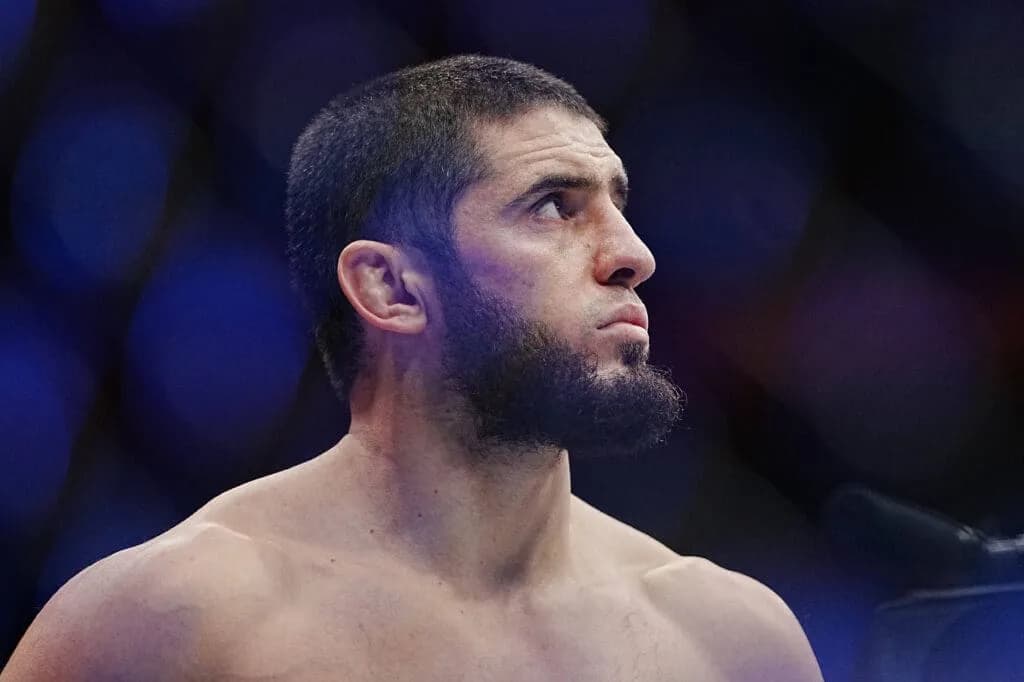
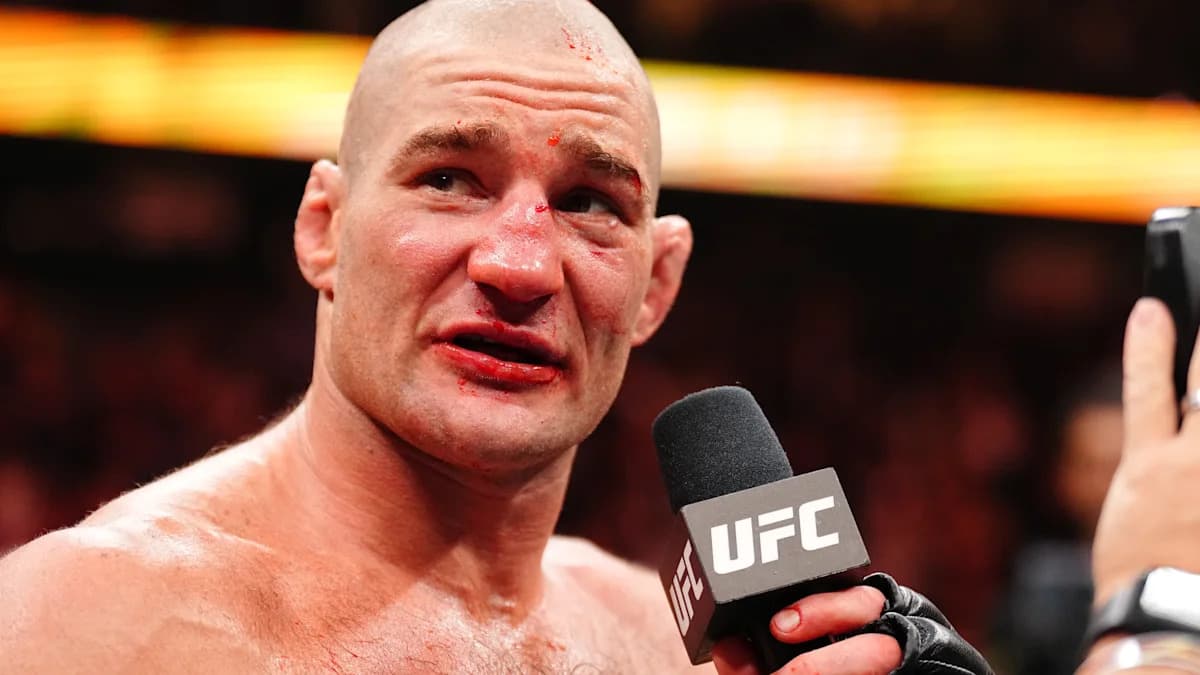
With the end of pay-per-view (PPV) sales, UFC champions no longer have the chance to earn big money from PPV shares. Middleweight champion Sean Strickland has openly expressed frustration with his pay and seems ready to give up his title just to leave his contract sooner. This shift raises an important question: how much is a UFC title worth in today's landscape?
The Old PPV Model vs. Today’s Streaming Era
Back when pay-per-view was king, fighters believed climbing the ranks to win the UFC belt meant unlocking life-changing money. Champions received a cut of PPV proceeds, which could skyrocket their earnings if their event sold well. The belt wasn’t just a symbol—it was the gateway to significant financial rewards. Without it, fighters were mostly limited to base show and win payouts.
Now, fans watch events through a Paramount+ subscription, paying a fixed monthly fee instead of per event. TKO Group Holdings, UFC’s parent company, earns about $1 billion annually by streaming these fights. But fighters don’t see a share of this TV revenue. The title remains prestigious, yet its monetary value has changed drastically.
Managers Weigh In on the New Reality
Many managers, hesitant to go on record for fear of upsetting UFC relations, agreed that the dream of PPV riches faded before the model itself disappeared. PPVs were selling fewer buys due to rising costs on platforms like ESPN+, easier access through alternative streams, and shifting viewing habits. Even champions rarely earned huge pay-per-view payouts in recent years.
Still, becoming a UFC champion does bring some pay boosts. Contracts include higher fight purses, and fighters earn more under the Promotional Guidelines Compliance system. For example:
- Champion payout per fight: $42,000
- Challenger payout per fight: $32,000
- Non-title fight payout max: $21,000 (for fighters with over 21 UFC bouts)
Off the cage, champions often get more sponsorship offers, seminars, and meet-and-greets, increasing their supplemental income somewhat, though not to the level of past PPV earnings.
Predictable Pay, But Limited Upside
One manager highlighted a silver lining: fighters now know exactly what their championship pay looks like. Gone are the hopes for a breakout PPV event selling a million buys, delivering huge bonuses. That fantasy often never materialized for most champs anyway.
Yet knowing your pay is fixed can feel discouraging. No matter how much hype or performance a champion generates, their official UFC paycheck won’t rise. Seeing stars like Conor McGregor or Conor Benn earn massive sums outside of standard contracts can deepen that frustration.
The Shift in UFC's Business Approach
Without the need to sell individual PPV events, the UFC no longer depends on maximizing each fight card's appeal. It can make consistent revenue via subscriptions regardless of the card's star power. This reduces the incentive to negotiate favorable terms with any one fighter.
A case in point is UFC 332, showing the promotion’s changed priorities for marquee events. Fighters like Strickland may find fewer opportunities to leverage their status for better pay or main event slots.
The UFC can also strip champions of their belts if they sit out too long, as happened with Valentina Shevchenko, signaling less patience for holding onto titles without fighting.
A New Normal for UFC Champions
The days when holding a UFC title might lead to unpredictable, potentially huge financial windfalls appear to be behind us. Now champions face a stable but capped earning potential directly tied to fixed contracts and promotional guidelines.
For some, this certainty might bring peace of mind; for others, it feels like a harsh reality where even being the best in the world doesn’t guarantee financial freedom. The UFC title still carries prestige, but its paycheck reflects the new streaming era’s economics.