Sweden’s Damallsvenskan: Navigating Talent Losses Amid Transfer Market Pressure
Sweden’s Damallsvenskan Faces Constant Player Departures
Sweden's top women’s football league, the Damallsvenskan, is no longer the dominant force it once was. Two decades ago, with stars like Marta, it was arguably the best league globally. Today, bigger leagues, especially England's Women’s Super League (WSL), regularly recruit its top talent, often disrupting teams mid-season.
The Talent Drain to Bigger Leagues
Christian Lundstrom, head of women's football at champions Hacken, reflects on what his team might look like if all transferred players had stayed. With talents like Felicia Schroder (Real Madrid), Stina Blackstenius (Arsenal), Johanna Rytting Kaneryd (Lyon), Filippa Angeldahl (Madrid), Julia Zigiotti Olme (Manchester United), and Livia Peng (Chelsea) having moved abroad, Hacken’s lineup shows the scale of departures.
The WSL has been particularly active, signing over 60 Swedish players since summer 2022, including notable names like Blackstenius and Frida Maanum (Arsenal), Nathalie Bjorn (Chelsea), Rebecca Knaak (Manchester City), and others at Tottenham. FIFA’s latest transfer report highlights the Damallsvenskan as the league receiving the highest transfer income in the 2026 summer window, earning $4.2 million from just 30 transfers, edging out the WSL’s $3.97 million from 95 deals.
Clubs Accept Their Role in the Talent Pipeline
Lovisa Strom from Kristianstads DFF describes the pragmatic approach Swedish clubs take regarding player sales. They recognize that some players will stay long-term, while others come to develop and then move on, a reality the clubs accept. Despite losing stars such as Jutta Rantala, Eveliina Summanen, Sveindis Jonsdottir, and Beata Olsson, Kristianstads has consistently finished in the league's top six over the past nine seasons.
Strategic Planning Keeps Teams Competitive
Hacken plans transfers years ahead. Lundstrom explains they work "two windows in front," scouting potential signings for upcoming transfer periods up to two years away. This forward-thinking includes building squads balanced with experienced veterans, young talents, and promising youth players ready to replace departing stars.
Hammarby also thrives by fostering a strong team identity and clear playing principles, says Eva Nystrom, Finland's captain and former Hammarby player. This framework minimizes disruption when key players leave.
Contract Management and Player Relationships
Longer contracts have become more common in women’s football, enabling clubs to secure better transfer fees. For instance, Felicia Schroder signed a long-term deal with Hacken before Real Madrid acquired her for nearly a record fee.
Lundstrom emphasizes building trust with players, making it clear the club aims to develop talent to eventually sell them. Strom agrees that clubs are open to transfers but insist on fair compensation to support their development efforts.
The Damallsvenskan’s Ongoing Appeal
The league ranks high in power rankings, just behind top European and US leagues, offering significant exposure through UEFA competitions. Many players see it as an ideal development platform before moving to larger leagues.
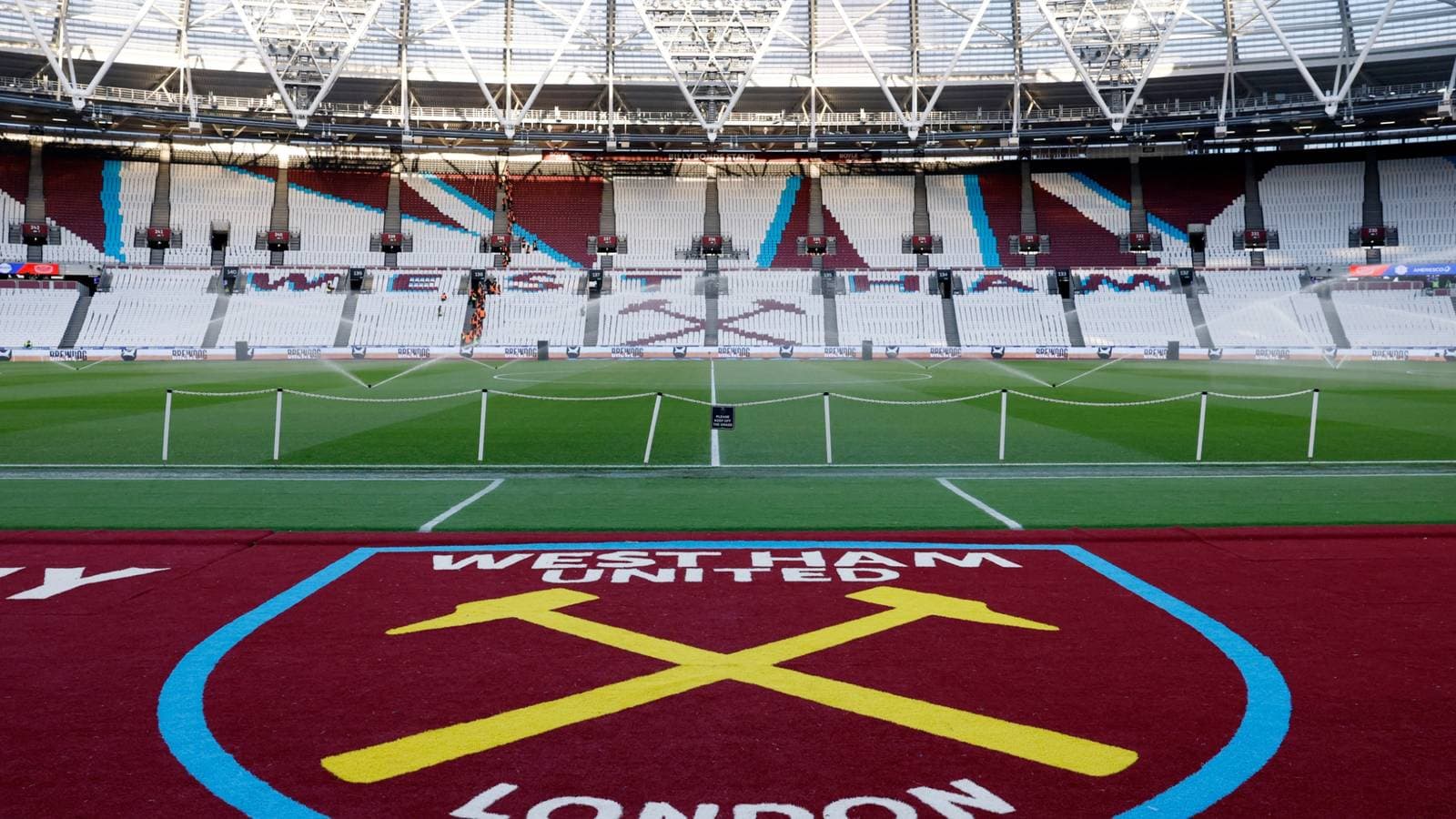
Eva Nystrom’s move from Damallsvenskan to West Ham illustrates this pathway. She values the league’s professionalism and European competition opportunities. Therese Sjogran, now Manchester City's sporting director, also highlighted the league’s strong development environment, describing knowledge and coaching as its backbone.
Club Cultures and Player Ambassadors
Kristianstads prides itself on its supportive environment and maintains strong ties with former players who act as ambassadors. Strom cites Evelyne Viens, sold to Roma, as someone who would recommend Kristianstads to new players.
Hacken points to their history of developing talent as a key recruitment tool, demonstrating the club’s ability to prepare players for bigger stages.
Challenges Beyond Transfers
While transfer fees are growing, only a few reach seven figures like Schroder’s. Smaller fees remain vital for independent clubs such as Kristianstads. Youth development is crucial but difficult due to financial constraints and coaching shortages.
Erling Nilsson of FC Rosengard highlights the challenge of hiring qualified youth coaches amid limited budgets, which affects player development quality.
Additionally, elite clubs now recruit promising teenagers earlier, bypassing traditional pathways through Swedish clubs.
Independent Clubs Versus Those Linked to Men's Teams
Independent teams face unique difficulties competing against clubs with men’s team backing. Malmö FF’s rise challenges Rosengard’s dominance, tempting young players with the prestige of a famous club name.
Lundstrom acknowledges advantages for double clubs in experience exchange and financial security, but Kristianstads thrives by adapting strategies suited to their independent status, remaining financially stable.
A New Era for Swedish Women’s Football
Sweden's teams no longer dominate European finals as they did in the early 2000s. After Tyresö’s bankruptcy following their 2008 Champions League final, many star players left. Now, while the league isn’t the top global destination, it remains stable and one of the best in nurturing talent, evident from frequent scouting by leading clubs worldwide.
Recent achievements like Hacken and Hammarby contesting the inaugural UEFA Women’s Europa Cup final, won by Hacken, show continued competitiveness. Wins over Arsenal and Real Madrid underline this too.
Most Sweden national team members have spent time in Damallsvenskan, signaling the league’s ongoing importance. As Nathalie Bjorn puts it, “Something is done right in Sweden.”
- Damallsvenskan transfer income (2026 summer): $4.2 million from 30 transfers
- WSL transfer income (2026 summer): $3.97 million from 95 transfers
- Kristianstads DFF: Top six finishes in 8 of last 9 seasons
- Notable player moves: Felicia Schroder to Real Madrid, Stina Blackstenius to Arsenal, Johanna Rytting Kaneryd to Lyon
- Damallsvenskan youth talent (2026): 80% homegrown teenagers