Sheffield United's Frustrating Loss at Charlton: Key Takeaways
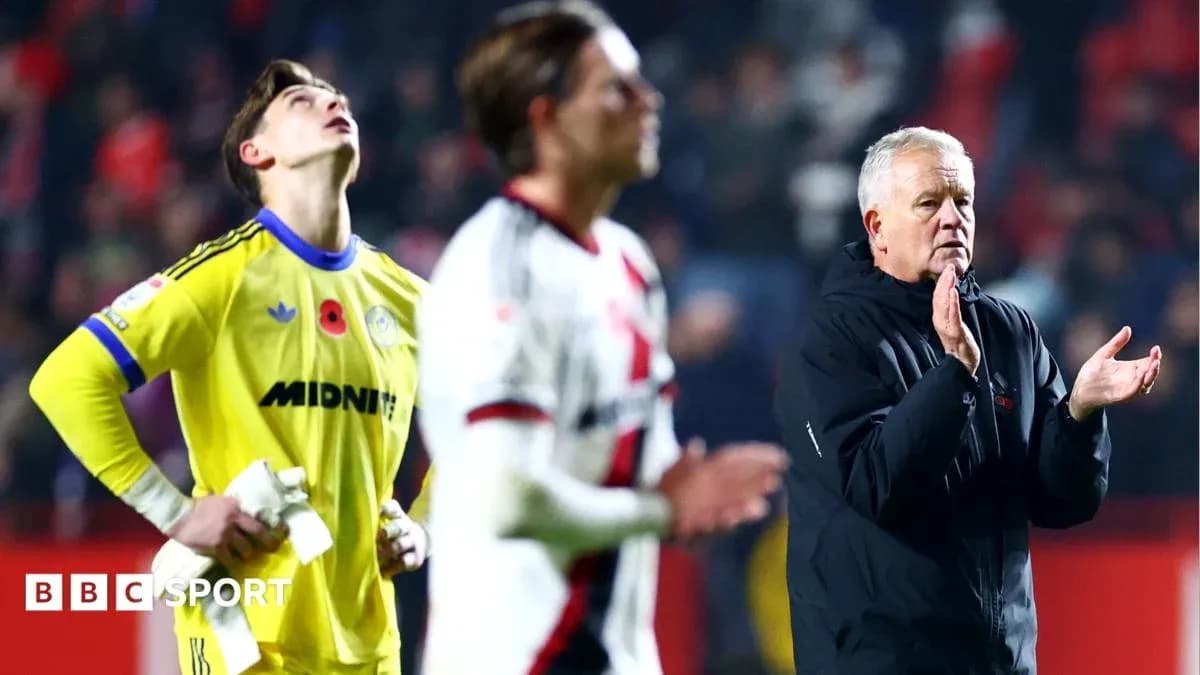
Chris Wilder walked towards the Sheffield United fans with his hands raised in thanks. Then he turned away and let out a roar of anger.
He knew exactly what 2-1 at Charlton represented. A chance gone.
Win it, and United would have slipped into seventh, into the play-off places, four points off the automatic promotion spots. A third victory in a week would have sent the Blades into the international break with a tailwind and a statement. Fifteen games in or not, that would have been some marker.
They were close enough to taste it.
A game there to be won
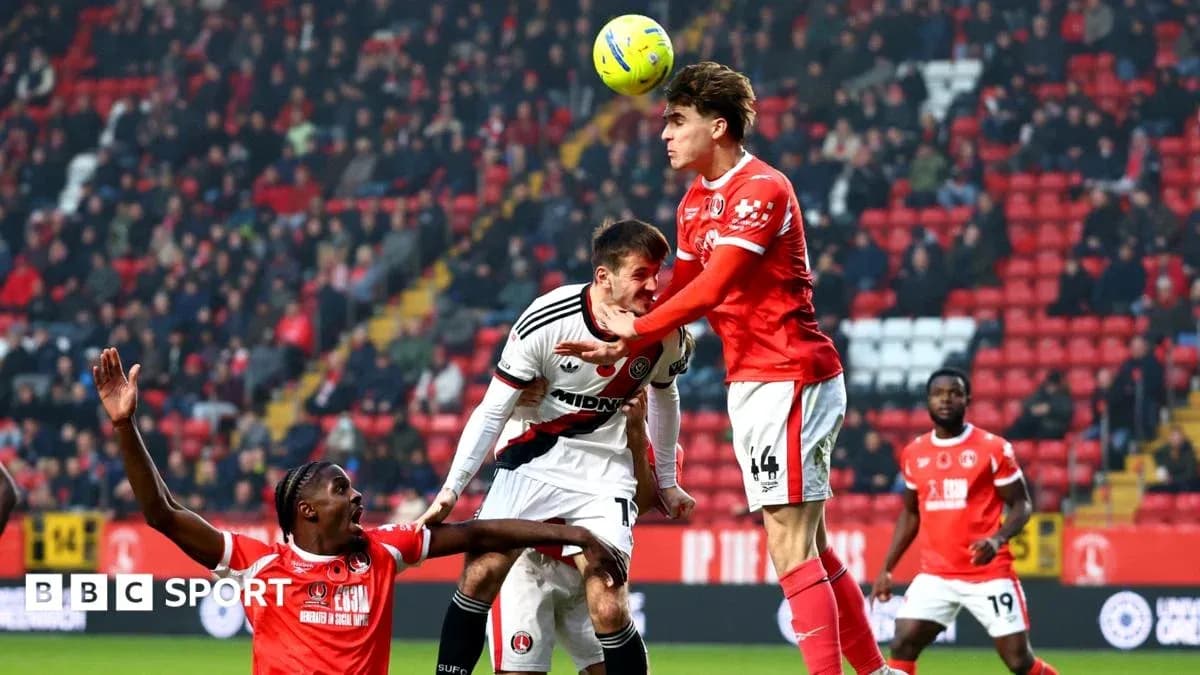
This was not a backs-to-the-wall defeat. United outshot Charlton 13-9, with seven efforts on target. The numbers underline what the eyes already told you: the game was there for them.
For long stretches they controlled it, moved the ball with authority, pushed Charlton back. There were passages where they looked not just competitive but comfortable. Yet they never once played from in front. They never landed the punch that would have turned pressure into points.
Instead, they handed over two goals they will hate watching back.
The first came from a moment that summed up the fine margins of this league. Michael Cooper, usually so reliable, took up a position that invited a question. Millenic Alli spotted it instantly. From the press box, the angle told the story: Alli glanced up, saw the gap, and struck with ruthless precision. One touch, one thought, one clean hit. Clever, clinical, and suddenly Cooper was beaten.
The second goal was different. Less about brilliance, more about bad habits.
Again the danger came from a cross, the kind of situation that has hurt United too often already this season. Alli’s delivery should have been cut out before it ever reached the box. Wilder’s frustration was aimed not at the crosser but at the defending that followed, the failure to deal with the ball when it mattered. Matty Godden finished it smartly, but it was the sort of goal that makes a manager and away end groan in unison. You could almost feel the collective eye-roll.
Missing Bamford, finding an X-factor
Up the pitch, United’s structure missed a familiar shape. Without Patrick Bamford as a focal point, the attack lacked that obvious reference, the striker who pins centre-backs and lets everyone else play around him.
Yet within that, Romelle Donovan continues to shine. He is not just lively; he is becoming that rare thing in a slog of a Championship season – an X-factor. His energy without the ball matches his menace on it, chasing, pressing, dragging defenders into places they do not want to go. He looks like a player who can tilt tight games.
The afternoon carried a far darker note with the loss of Femi Seriki. A suspected ruptured patellar tendon is brutal for any player, never mind one still building his career. It points to a long, demanding recovery, a test of resolve as much as body. For Seriki and for the club, it is a heavy blow.
A wild, open Championship
Step back from the 90 minutes and the wider picture is as chaotic as ever. The Championship has opened up again, just as it did last season, just as it always seems to.
Look at the table and it jolts you. Birmingham at the top. Stoke in third. Swansea having already had their spell as pacesetters. Burnley and Derby wrestling with problems of their own near the wrong end. It is a division that refuses to settle.
In that mess, there is opportunity. Thirty games remain, three promotion spots up for grabs, and United are firmly in the pack. That, at this stage, is all any club can realistically demand.
What it does not justify is the noise that has been thrown at Wilder and his squad in recent weeks. Some of the criticism has drifted into the absurd. It comes from a loud minority online, a bubble that can distort reality if you let it. The reaction from the away end at full-time told a different story – warm, appreciative, grounded. Most supporters understand where this team actually is.
Because strip it back. Over the summer, United lost three key attacking players, two of them in the dying days of the transfer window. Plans were shredded, patched back together on the fly. To emerge from that upheaval and sit where they are now, competitive and in touch, is a net positive however you cut it.
If you cannot see that, you are working hard to be miserable.
The real anger, the real scrutiny, belongs elsewhere – in the boardroom, where ownership issues have once again dragged an unnecessary distraction into the season. The threat of a points deduction still hangs in the air, an off-field storm that could yet wipe out everything Wilder and his players are trying to build on it.