Is Serie A Becoming Europe's Most Thrilling Football League Again?
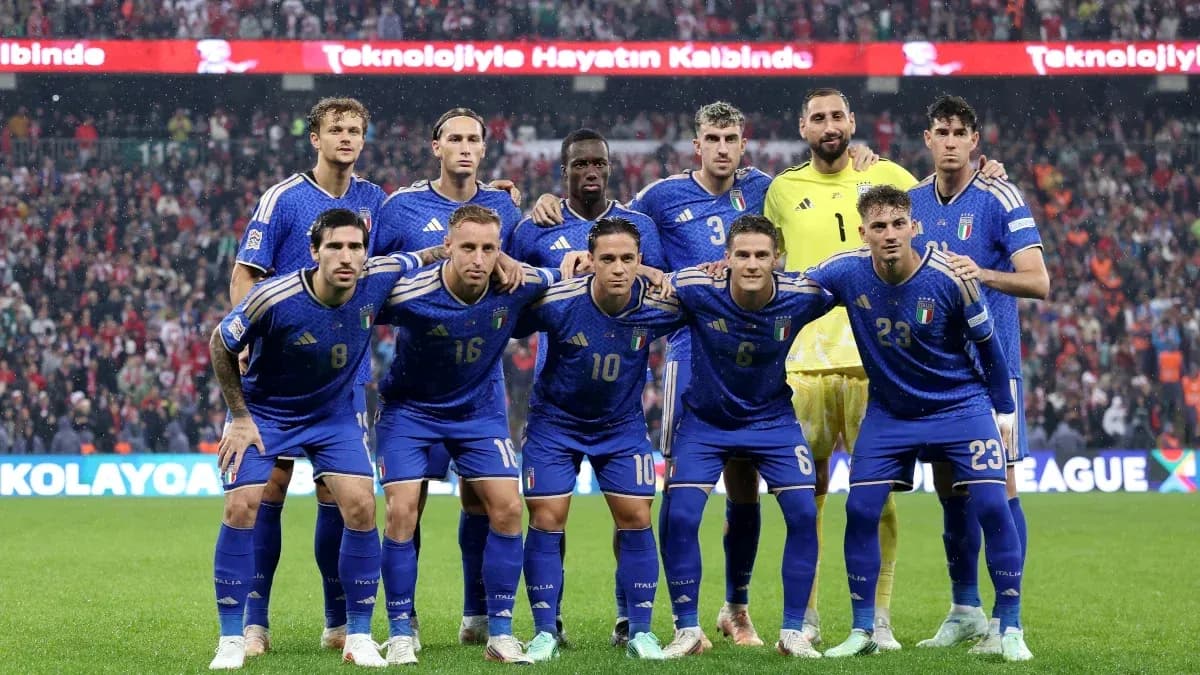
Italian football has seen a steep decline since its peak in the 1990s. The national team’s failure to qualify for a third straight World Cup and all four Serie A clubs losing on a Champions League matchday painted a grim picture just weeks ago. Although Roma, Inter, Napoli, and Como bounced back with wins soon after, the recent poor results highlighted deeper issues in Italian football.
Giovanni Malago, FIGC’s special administrator, urged caution before judging Serie A’s state based on those defeats alone. He suggested they don’t fully reflect the league's quality, a point partly supported by the quick recovery of those teams.
Challenges with Stadiums and Infrastructure
The biggest hurdle remains Italy’s outdated stadiums, many untouched since the 1990 World Cup. Napoli’s home ground was described as a "toilet" by club president Aurelio De Laurentiis, reflecting frustration over the lack of modern facilities. UEFA’s threat to revoke Italy’s co-hosting rights for Euro 2032 if stadiums aren’t improved pushed the issue into the spotlight.
- Juventus Allianz Stadium: Only venue currently ready for Euro 2032 matches.
- Fiorentina's Artemio Franchi Stadium: Renovation underway, expected completion by 2029.
- Bologna: Approved construction of a new stadium last month.
- AC Milan and Inter: Plans unveiled for Generali Stadium, targeted for 2031 completion.
Luigi De Siervo, Serie A CEO, pointed out the average age of stadiums is over 70 years, and clubs still depend heavily on TV revenue. He believes that new stadiums will boost commercial income but admitted it will take several years to see full benefits.
A Shift Toward More Attacking Football
Despite economic challenges limiting Serie A's ability to compete with leagues like the Premier League in the transfer market, some clubs are excelling with smart recruitment. Inter reached two Champions League finals largely through shrewd signings, while Como stunned Europe with intelligent squad building and attacking play.
Newly promoted Frosinone defied expectations by sitting sixth after ten games with an impressive 24 goals scored, showcasing a refreshing offensive style. Alongside leaders Lazio and top scorers Roma, Serie A now features some of Europe's most prolific attacking teams.
- Frosinone: 24 goals in 10 games.
- Lazio: Also 24 goals.
- Inter: 26 goals.
- Roma: 28 goals, second highest in Europe's Big Five leagues.
This attacking trend contrasts sharply with the defensive reputation Italian football has long carried. Former Italy defender Daniele Adani noted that traditional defensive tactics are giving way to more direct, exciting playstyles. Serie A is now averaging about three goals per game, with multiple high-scoring matches already this season.
Recent thrilling moments, such as AC Milan's dramatic derby win over Inter following a heavy defeat, underline the league's competitive and unpredictable nature. With only five points separating the top four teams, excitement is palpable.
Emerging Young Talent and Changing Attitudes
Italian football has been known as a haven for aging stars like Kevin De Bruyne and Luka Modric, which limited opportunities for young players. This season, however, rising talents like Nico Paz, Pio Esposito, Kenan Yildiz, and others under 22 are making their mark. Italian youngsters such as Alphadjo Cisse and Antonio Raimondo are catching the eye of coach Roberto Mancini, signaling a focus on rebuilding the national team.
"We tell youngsters too much what to do, and this kills their creativity," said former Juventus star Alessandro Del Piero. "The problem is that they have only been taught one way." He argued that coaching methods need to evolve to nurture creativity and risk-taking among young players.
More coaches are willing to take risks in both playing style and youth selection, which could help Serie A regain its stature.
Looking Ahead: Can Serie A Reclaim Its Glory?
The league lost many fans over the past two decades but is now attracting more British players, with Scott McTominay as a notable example. Italy is transforming from merely a place to extend careers to a desirable destination for football talent.
Serie A might even be more exciting than the Premier League right now, with a stronger sense of integrity amid English football’s current controversies. There is still internal conflict and inefficiency holding the league back, and the stadium upgrades will take years, but signs of progress offer hope.
By the time the new stadiums open, Serie A could boast teams, players, and coaches capable of filling them and captivating fans once again.