Sánchez insists: 2030 World Cup final must be in Spain
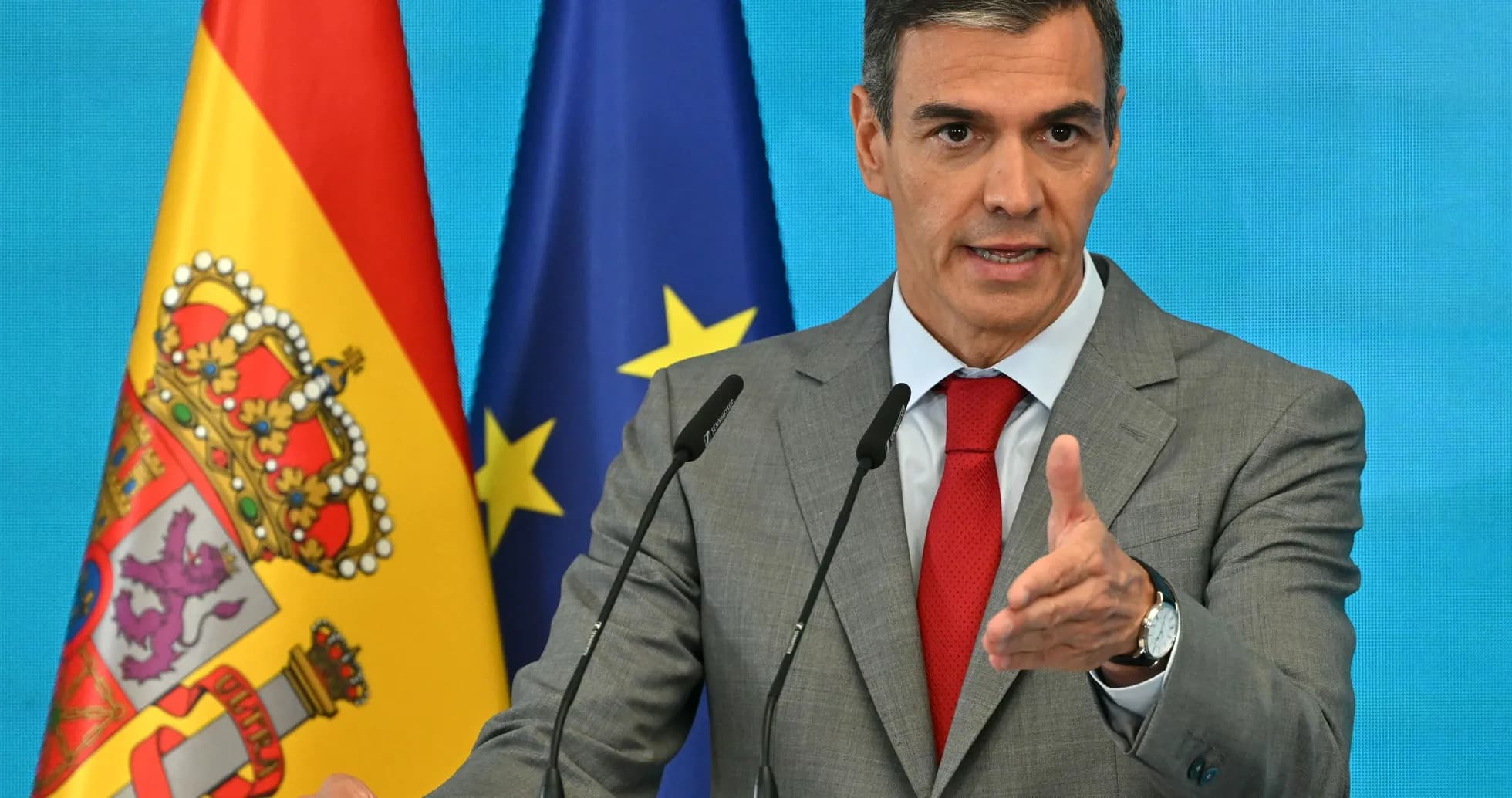
Pedro Sánchez has stepped directly into the fight for the 2030 World Cup final – and he is not hiding his intentions. Spain’s Prime Minister has vowed that his government will do everything it can to ensure the showpiece match is played on Spanish soil, not across the Strait of Gibraltar in Morocco.
Speaking on Spanish network SER on Monday, Sánchez made his stance unmistakably clear: his government, he said, “will work to ensure that the final is held here”. The question put to him was blunt – could FIFA president Gianni Infantino succeed in shifting the final to Morocco? The answer from Spain’s leader was just as direct.
For Sánchez, this is not only a question of logistics or diplomacy. It is about footballing legitimacy and timing. “The time has come for Spain to win the World Cup on its own soil,” he added, tying the political push to a sporting ambition that has been building for more than a decade.
A champion’s claim to centre stage
Sánchez’s argument leans heavily on what La Roja have done on the pitch. Spain’s men lifted their first World Cup in South Africa in 2010, a triumph that reshaped the country’s footballing identity. This year, they climbed the mountain again, winning a second world title at the tournament hosted by the United States, Mexico and Canada.
On 19 July, Spain beat Argentina 1-0 after extra time, Ferran Torres delivering the decisive goal. A cagey, high‑stakes final, settled by a moment that felt like a passing of eras. For Sánchez, those two stars above the badge are not just decoration; they are leverage.
Two world titles in 14 years. A team that has become a reference point for modern football. In his view, that pedigree strengthens Spain’s case to host not just matches, but the match – the 2030 final.
A World Cup spread across continents
The 2030 World Cup will already be unlike any other. Spain are co-hosting with Portugal and Morocco, a tri‑continental project designed to celebrate 100 years since the first World Cup in 1930.
To mark that centenary, Uruguay, Argentina and Paraguay will each stage an opening match on home soil. A nod to history, and especially to Uruguay, which hosted the inaugural tournament in 1930, when every game was played in Montevideo.
From there, the competition will shift fully to Europe and North Africa, with Spain, Portugal and Morocco sharing the bulk of the fixtures. Stadiums, infrastructure, travel – all of it still being mapped out in detail. At the heart of those talks sits the one question that now carries a sharper political edge: where does the final go?
Politics enters the penalty area
FIFA has yet to confirm the venue for the 2030 final, and the lobbying has intensified. What had been a strategic discussion between federations and organisers has now moved onto the political stage.
By going public, Spain’s government has planted its flag. It wants the world’s biggest single football match, and it wants it at home. Morocco, a full co-host with its own ambitions and growing football profile, stands on the other side of the argument.
The decision will not be made in a radio studio or a press conference. But Sánchez’s words signal something important: Spain does not just intend to co-host a World Cup. It intends to fight for the right to close it.