Police Raid Vasco Forward Correa’s Home Amid Trafficking Probe
The morning after a crucial win, the mood around Vasco da Gama flipped.
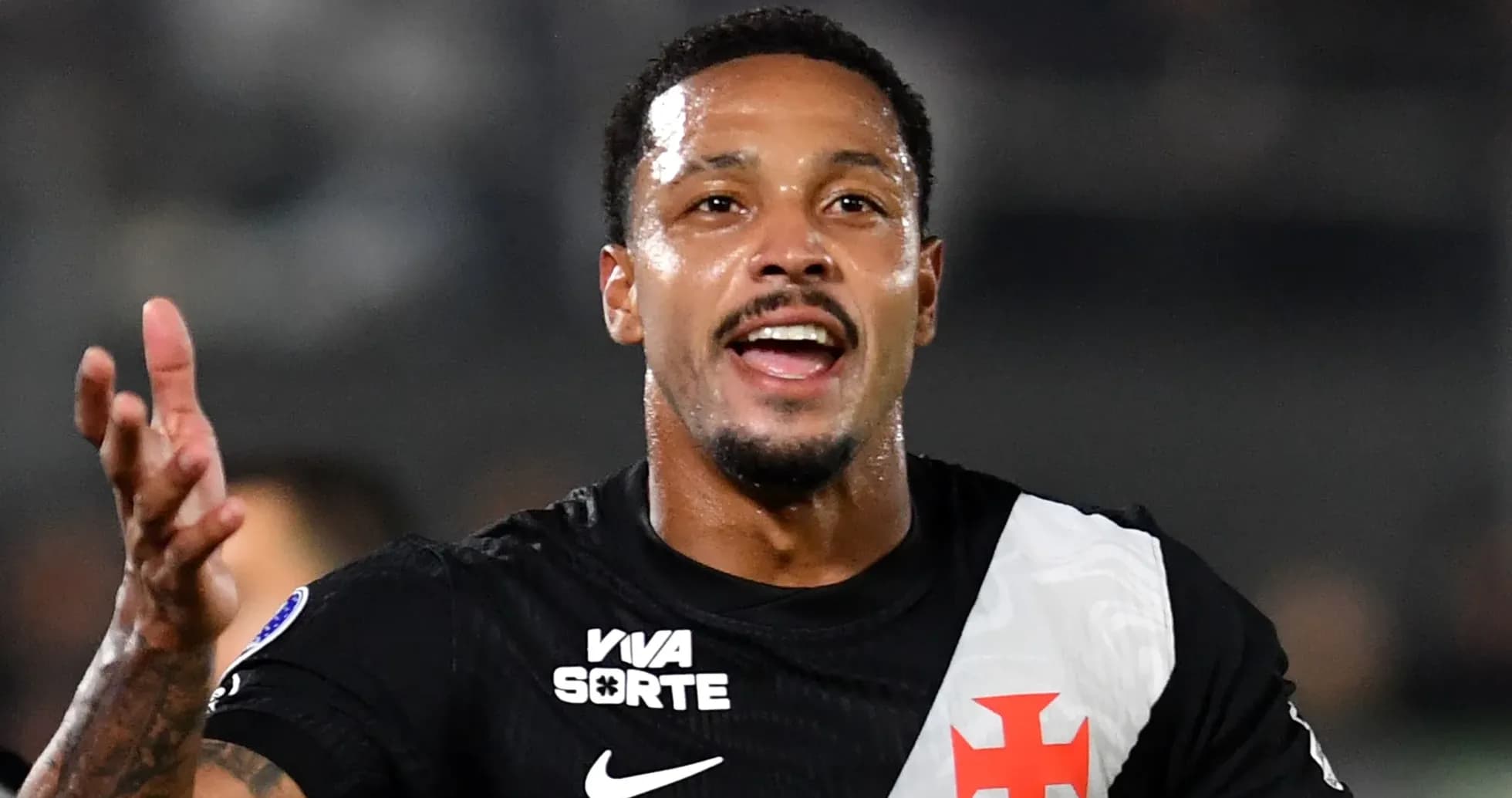
On the pitch, forward Correa had just buried the third goal in a 3-1 victory over Cruzeiro, snapping an eight-game winless run and briefly lifting the gloom in São Januário. Off it, the 30-year-old now finds himself at the centre of a sprawling criminal investigation that has pushed Brazilian football into uncomfortable territory.
Large-scale operation hits Rio
Police descended on Correa’s home in the upscale Barra da Tijuca district of Rio de Janeiro and on Vasco’s training ground, turning routine club business into the backdrop for a major law enforcement operation.
According to the Associated Press, the action formed part of a large-scale operation codenamed “the troop”, which mobilised around 100 officers. Their task: execute four arrest warrants and 15 search warrants across multiple locations.
Among those under investigation is Vila Nova right-back Hayner Cordeiro, another professional whose name now sits in police files rather than just on team sheets.
Espirito Santo police did not hide the ambition of the raids. In an official statement, they said the investigations “seek to gather elements to clear up crimes and dismantle the criminal structure under investigation.” The probe spans multiple states and is aimed at uncovering alleged links between professional sports figures and organised trafficking rings.
At Vasco’s training complex, the day’s work ended abruptly for Correa. He left the premises without speaking, walking past reporters’ questions and into a storm that will not die down quickly.
Vasco pledge cooperation – and keep Correa in the squad
Inside the club, the response has been swift but measured. Vasco moved to underline their stance, stressing full collaboration with authorities as the case unfolds.
At a press conference, director Admar Lopes confirmed the hierarchy is “cooperating with authorities” and made it clear that, for now, football operations will continue as planned. He stated that Correa “will continue training normally in the coming days and be available for matches,” at least until the investigation produces a formal outcome.
It is a delicate balance: a club trying to protect its competitive interests while a criminal inquiry gathers pace around one of its key players.
Decisive on the field, uncertain off it
Correa’s importance to Vasco is not theoretical. His third goal in the 3-1 win over Cruzeiro did more than seal three points; it snapped an eight-match winless run in the Brazilian top flight and briefly eased the pressure on a season that had been drifting.
He has already made 21 league appearances this campaign, a regular presence in a side fighting to stabilise its form and its future.
For now, he remains eligible for upcoming domestic fixtures. He will train, travel, and, if selected, play under the glare of cameras that are no longer focused solely on his finishing or movement off the ball.
What happens next will not be decided on a training pitch or inside a dressing room. Further legal developments from police in Espirito Santo and Rio de Janeiro will shape not only Correa’s long-term future, but also raise a sharper question: how deep do the alleged ties between professional football and organised trafficking really run?