Patrick Beverley on NBA vs. Europe: A Culture Shock
Patrick Beverley has never been shy with a microphone in front of him. This time, he’s taken aim at one of basketball’s most sensitive debates: NBA vs. Europe — and who could really survive on the other side.
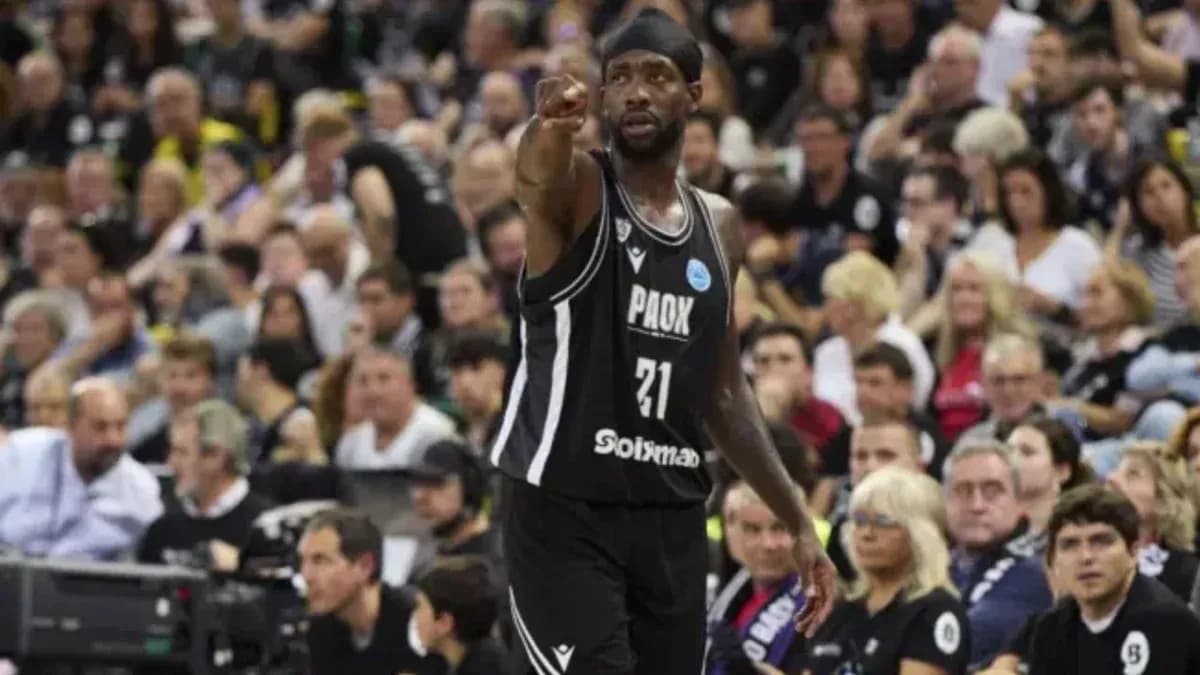
The 38-year-old guard, who spent 12 seasons grinding through the NBA with the Rockets, Clippers, Wolves, Lakers, Bulls, Sixers and Bucks, is heading to Boulazac in the French league this season. From that vantage point between two basketball worlds, he dropped a line that cuts straight through the glamour of the American game.
“There are NBA superstars right now who couldn’t play in Europe. I firmly believe that. They simply couldn’t,” Beverley said on the YouTube show Thanalysis, hosted by Bucks forward Thanasis Antetokounmpo.
No hesitation. No soft landing. Superstars. Couldn’t play.
Beverley didn’t frame it as a question of talent or vertical leap. For him, the divide isn’t measured in wingspan or highlight reels, but in what happens between the ears.
“It’s not a lack of respect for each individual’s physical ability, but for their mentality,” he explained.
That’s a pointed statement coming from a player who has lived both realities. Before carving out his reputation as one of the NBA’s fiercest competitors and most relentless irritants, Beverley built his name in Europe, then crossed the Atlantic to join the Rockets in 2013. He knows the culture shock from experience, not theory.
In his eyes, the biggest difference is not the size of the arenas or the length of the season. It’s the hierarchy.
A radical role reversal
Beverley describes Europe as a complete role reset, especially for players used to the star treatment in the NBA. Over there, he insists, the individual bows to the collective.
“Everything revolves around the team. The coach controls everything. It’s almost like a college team made up of adults. The team is above each individual,” he said.
That’s not a throwaway comparison. In Europe, coaches run the show with a level of authority many NBA players haven’t felt since their NCAA days — if ever. Rotations can be ruthless. Minutes are earned possession by possession. A bad defensive stretch or a missed assignment can send even a big name straight to the bench.
For players accustomed to the NBA ecosystem, where superstars often dictate tempo, spacing, and even play-calling, that kind of structure can feel suffocating. Beverley’s point is that some of today’s marquee names, raised on freedom and usage rates, would struggle to adjust to a system that demands sacrifice on every trip down the floor.
The pressure isn’t to fill the box score. It’s to fit the scheme.
Beverley paints European basketball as a place where the coach’s whistle weighs more than a max contract, and where the game flows through the collective rather than orbiting around a single star. For him, that’s the test. Not whether a player can score 30, but whether he can accept being just one piece of a larger machine.
“In Europe everything revolves around the team. The coach controls everything. It's almost like a college team made up of adults,” he repeated, underlining the culture shock awaiting anyone who thinks the game is built around them.
Coming from Beverley, a player who has made a career out of embracing hard roles, tight systems and uncomfortable assignments, the message lands with extra force. As he prepares to return to the European game, his challenge hangs in the air:
In a league where the team truly comes first, how many NBA stars would still feel like superstars?