Pakistan Cricket Under Scrutiny After Lord's Defeat
The fallout from Pakistan’s bruising defeat at Lord’s has taken a starkly different turn from the usual post-tour inquest. It has moved from selection meetings and dressing-room briefings into the realm of cyber investigators and seized mobile phones.
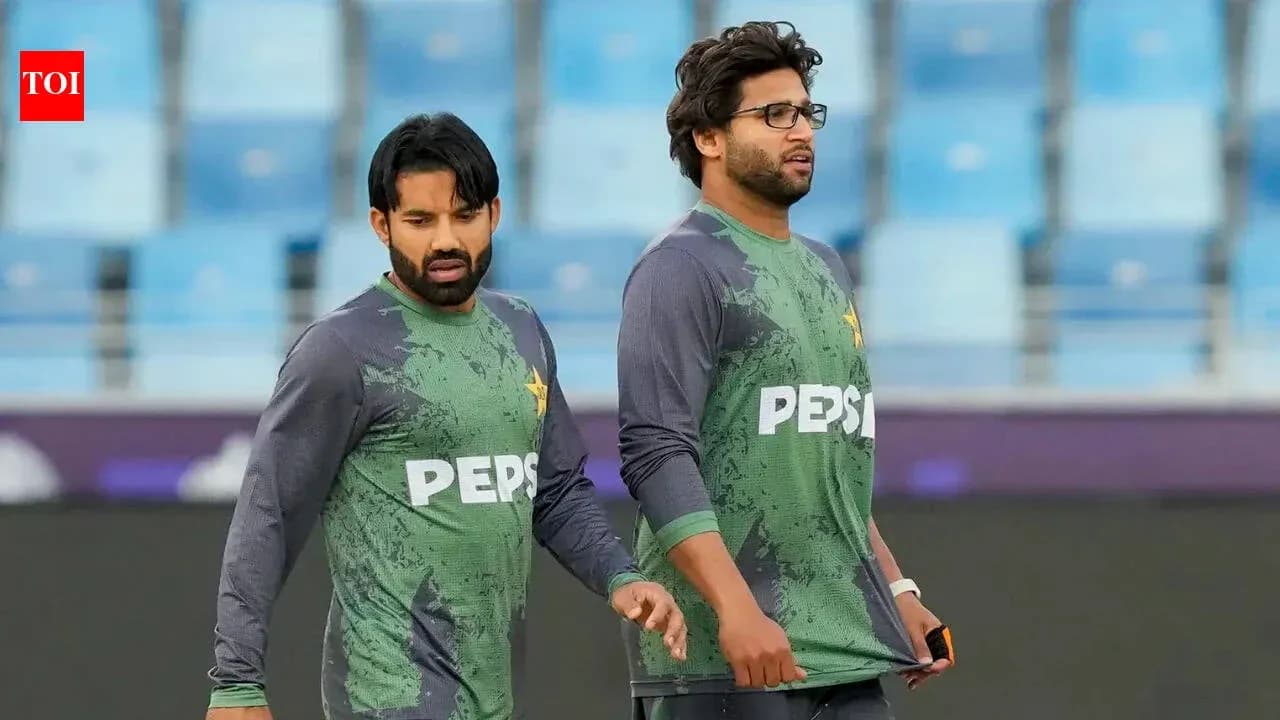
According to Geo News, star batter Mohammad Rizwan and opener Imam-ul-Haq have been summoned by the National Cyber Crime Investigation Agency (NCCIA), which is set to examine data taken from their devices. A third Pakistan cricketer has also reportedly received a notice, deepening the sense that this is no routine probe.
Phones seized, questions mounting
Sources cited by Geo News say the Pakistan Cricket Board (PCB) first took custody of Rizwan and Imam’s phones before passing them on to “relevant authorities”. Those authorities are now known to include the NCCIA, which has issued formal notices to both players for questioning as part of an ongoing inquiry.
What triggered the PCB to seize the phones in the first place remains unexplained. There is no public charge, no official allegation, not even a hint from the board about the specific nature of its concerns. The PCB has yet to release a statement clarifying why the devices were confiscated or what exactly investigators are looking for.
For two senior internationals, both central to Pakistan’s recent Test plans, it marks a jarring shift from the usual rhythm of a tour gone wrong. This is no longer just about runs, wickets and selection calls. It is about digital footprints and data trails.
From Lord’s defeat to sweeping changes
The NCCIA’s involvement comes on the heels of a brutal reset after Pakistan’s 194-run loss to England at Lord’s. The defeat prompted the PCB to swing the axe, releasing seven players from the touring Test squad and sending them back home.
Rizwan and Imam were among those dispatched to Pakistan, along with Salman Ali Agha, Ali Usman, Aamer Jamal, Awais Zafar and Khurram Shahzad. It was a clear signal from the board that no reputation would shield underperformers or those deemed surplus to requirements.
The shake-up did not stop with the players. Head coach Sarfaraz Ahmed and bowling coach Umar Gul were also released from their roles. In a striking move, white-ball head coach Mike Hesson and bowling coach Ashley Noffke were handed temporary charge of the Test side, underscoring the urgency – and the turmoil – surrounding the red-ball setup.
One bad defeat can trigger a review. A 194-run thrashing at Lord’s, followed by seven players sent home and coaches replaced mid-tour, points to something far more dramatic.
Selection under the microscope
While investigators prepare to comb through mobile data, a separate storm is brewing inside the PCB’s corridors. The board has already opened an internal inquiry into how Rizwan and Imam were selected for Pakistan’s Test tours of the West Indies and England.
Earlier this month, the PCB sent a formal notice to a member of its Selection/Advisory Committee, demanding a written explanation for recommending the pair. The board asked for a breakdown of the selection criteria, performance metrics and any other factors that justified their inclusion in the Test squad.
The tone of that notice left little room for doubt. The PCB described the matter as “urgent and of utmost importance” and gave the committee member just 24 hours to respond.
So, on one side, the players face cyber crime investigators poring over their phones. On the other, the selectors must justify why those same players were on the plane in the first place.
A team under scrutiny, a board under pressure
Taken together, the developments paint a picture of a cricket system under intense strain. A heavy defeat at an iconic venue has triggered not just tactical and personnel changes, but parallel investigations into selection decisions and players’ digital lives.
Rizwan and Imam, once seen as pillars of Pakistan’s batting plans, now find their futures entangled in inquiries that stretch far beyond the boundary rope. The PCB, already under fire for on-field results, must now manage the optics and outcomes of a case that has moved into the hands of a national cyber crime agency.
The questions are no longer limited to who should bat at No. 3 or lead the new-ball attack. They cut deeper: what will NCCIA’s examination of those phones reveal, and how far will the PCB be willing – or forced – to go once the findings land on its desk?