Pakistan's Batting Crisis Exposed by Gill Statistic
Pakistan arrived in Birmingham needing a response. They walked off at Edgbaston with a number that laid bare the depth of their crisis: 743.
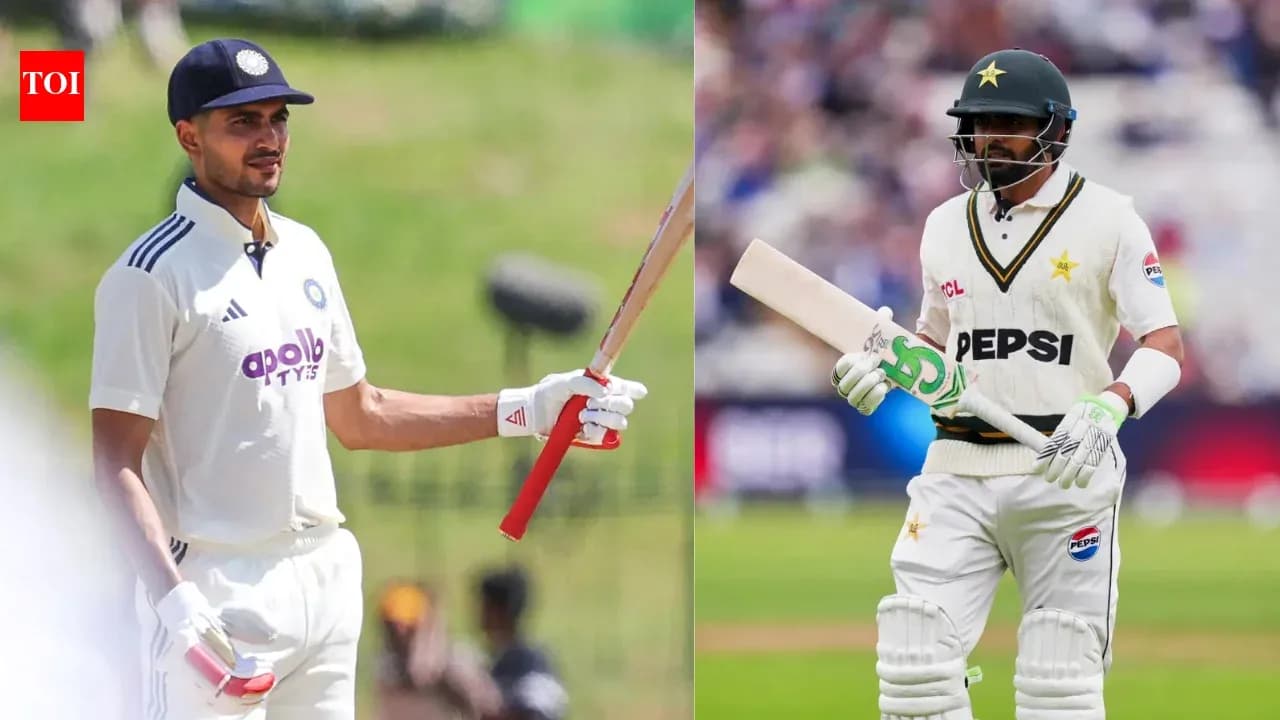
That is Pakistan’s total output with the bat in this three-Test series against England so far. It is also 11 runs fewer than Shubman Gill managed alone in India’s five-Test tour of England last year. One man, 754. One team, 743. Different series, same country, brutal comparison.
Turmoil off the field, chaos in the middle
This collapse comes at a time when Pakistan cricket has been ripped up and rearranged mid-series. Consecutive defeats at Headingley and Lord’s triggered sweeping changes. Seven players jettisoned. The entire coaching staff removed. A statement of intent from the Pakistan Cricket Board, desperate to shock a listing side back to life.
The new-look group, though, carried the same old problems into Edgbaston.
At the toss, Babar Azam tried to sound unfazed by the storm swirling around him. Asked about steering Pakistan through such upheaval, he brushed it aside. “Not difficult. Yes, after that we had a couple of changes, but I think a good opportunity to new boys, and yes we are trying to do our best in this match,” he said.
Within a session, those words felt painfully distant from reality.
Robinson’s landmark, Pakistan’s latest collapse
Put in to bat, Pakistan folded for 133, a scoreline that has become grimly familiar in tone if not in exact number. Wickets fell in clumps, technique and temperament again exposed under English skies.
Ollie Robinson set the tone. He trapped recalled opener Saim Ayub lbw for a duck, his 100th Test wicket, and barely celebrated. It felt routine, inevitable.
Jofra Archer, back in the Test arena, then rushed debutant Azan Awais and removed him, before Robinson returned to see off Abdullah Shafique. The top order had vanished almost before it had arrived.
Shan Masood, Pakistan’s captain in other formats and one of the senior men in this reshaped squad, followed with a loose cross-bat stroke, picking out mid-wicket off Archer. Poor shot, poor timing, another door flung open for England.
Then it was Josh Tongue’s turn to take over. He hit the heart of Pakistan’s innings and didn’t stop. Babar Azam, the one man Pakistan cannot afford to lose cheaply, went. Debutant Ghazi Ghori went. Debutant Imran Randhawa went. All before lunch.
By the interval, Pakistan’s new era looked horribly like the old one.
Razaullah Khan offered only brief resistance with 11 in the afternoon. Saud Shakeel, again, stood alone. The left-hander, who had fought so hard for his 97 in the Lord’s defeat, once more tried to drag his side to something resembling respectability. He top-scored with 43, compact, busy, defiant.
Tongue finally beat him with a sharp inswinger that crashed into the stumps, the sort of ball that ends not just an innings but a contest. Pakistan’s last meaningful hope gone with him.
The figures told their own story. Archer 3-25. Robinson 3-15 from 11 miserly overs. Tongue 4-42. Pakistan all out for 133. Again, nowhere near enough.
England tighten the screw
England did not blaze away, but they did not need to. They just had to be better. They were.
Ben Duckett fell early for 11, Mohammad Ali finding a way through. Jordan Cox followed for four, undone by Mohammad Abbas. At 28 for 2, Pakistan had a sliver of an opening.
They couldn’t prise it wider.
Emilio Gay and Harry Brook settled, then pressed. Both reached fifties, both looked assured on a surface that Pakistan had made appear treacherous. England moved steadily into control, the scoreboard creeping, then striding, past Pakistan’s total.
Joe Root’s dismissal was a curiosity within the dominance: lbw again, for the 10th time in 13 innings, a pattern that will not have escaped opposition analysts. It barely dented England’s position.
By stumps, the hosts were 156 for 4, a 23-run lead already in the bank with six wickets still in hand. Pakistan’s 133 felt even smaller by comparison.
A statistic that stings
Robinson’s day carried its own milestone. He moved from 99 to 102 Test wickets, his economy and relentlessness underlining why his bowling average of 19.1 is the best among post-war bowlers with more than 100 dismissals. England have a spearhead who rarely misses his mark. Pakistan, at the moment, have a batting order that rarely finds its own.
Which brings the conversation back to Gill.
Across five Tests in England last year, the India opener amassed 754 runs. He dominated attacks, adapted to conditions, and turned starts into statements. His series stands as one of the great modern tours by an overseas batter.
Pakistan, by contrast, have needed two full Tests and one innings of a third just to creep to 743. Eleven runs fewer than one man. Eleven runs that now hang over a proud cricketing nation as an indictment of its collective failings.
The number will move again as this Test unfolds. The comparison, though, already cuts deep. It captures, in stark, unforgiving terms, the gulf between individual excellence and a team stuck in a prolonged, painful search for competence.
Edgbaston was supposed to be a fresh chapter after the clear-out. Instead, it felt like another page torn from the same, increasingly bleak script.