Opals' World Cup Dream Shattered by Magbegor Injury
The Opals walked into their quarterfinal with Spain already bruised. Half an hour before tip-off, the gut punch landed.
Ezi Magbegor. Torn ACL. Season over.
Her WNBA team, the Seattle Storm, confirmed the news just minutes before Australia stepped onto the floor for their Women's Basketball World Cup quarterfinal. By the time the final buzzer sounded on an 89–66 defeat, the scoreline felt like a footnote to a far more painful story.
A brutal twist for Magbegor
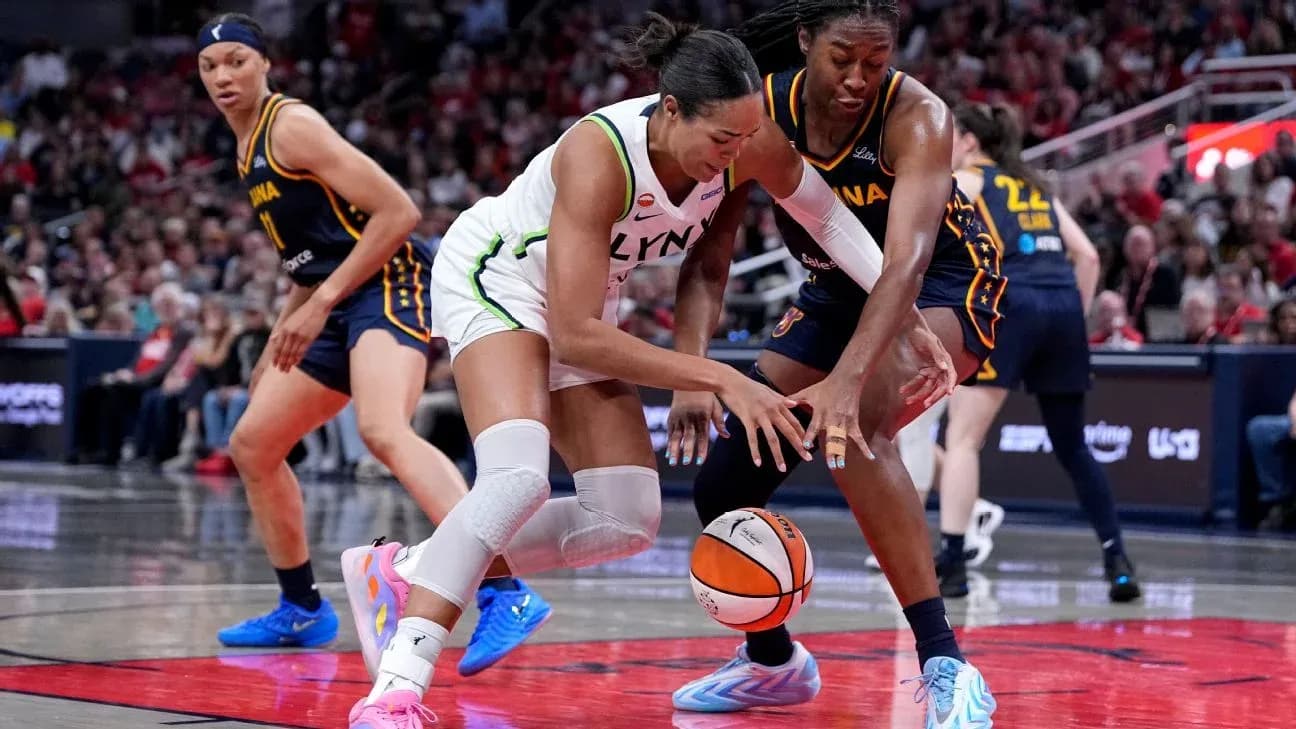
Magbegor’s year has been a test of endurance. She only returned to action in early July after partially tearing her Achilles in March. Then, in Australia’s qualification final win over Italy, she went down again, taking a knock to her right knee early in the game.
The hope was that it was minor. The reality was much worse.
"It makes me emotional when I see anyone go down," Opals coach Sandy Brondello said after the loss to Spain. "But Ezi's come back from an injury and it's just another injury. [It's] just really unfortunate. She's a key part of what we want to do. It sucks, but that's sport isn't it?
"She's got to have a great recovery and she'll get back, I don't have a doubt about that. Just disappointed for Ezi that she's going through another rehabilitation."
Her absence stripped Australia not just of a star, but of an anchor at both ends of the court. And she was far from the only one missing.
A skeleton squad against a heavyweight
By the time the Opals lined up for Spain, the bench looked more like a roll call of who wasn’t there.
Magbegor joined Alanna Smith (leg injury) and Jade Melbourne (illness) on the sidelines. Sami Whitcomb never made it to the tournament, ruled out beforehand with injury. Cayla George did not play due to pregnancy.
Smith had gone down with a lower-leg injury in the opening game of the tournament. Melbourne managed only three minutes against Italy and couldn’t take the floor at all in the quarterfinal.
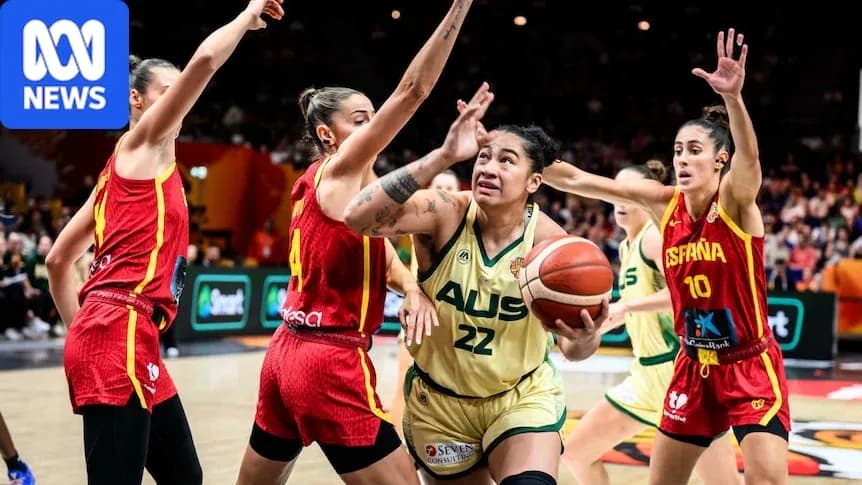
So Australia faced a seasoned Spanish outfit with a patched-up rotation and just eight players available. The gaps showed.
Spain controlled the contest and pulled away, handing the Opals a 23-point defeat. Australia shot just 40 per cent from the field and coughed up 23 turnovers. Every mistake felt heavier with so few options to turn to.
Ally Wilson led the scoring for Australia with 13 points, but the Opals never found the rhythm or composure that had carried them through the group stage.
From great escape to hard reality
Only days earlier, this young group had produced one of the stories of the tournament.
Against Italy, the Opals almost imploded, surrendering a 20-point three-quarter-time lead in a chaotic final term. Then 21-year-old Izzy Borlase caught fire. She poured in 30 points and dragged Australia over the line in a wild finish that felt like a coming-of-age moment.
That surge didn’t carry into the quarterfinal. Against Spain, the missing experience and missing bodies finally told.
Veteran Steph Talbot admitted the situation felt surreal.
"It's very weird. It was very quiet, very unusual. We were all looking around like, 'Is this it?'" she said of taking the court with only eight teammates.
"But a job's a job and we fought hard to the end. I'm really proud of the effort they put in. It's definitely a different experience."
The fight was there. The depth wasn’t.
Pain now, lessons for later
For Brondello, this World Cup was always going to shape the next generation. Seven players were at their first major international tournament. They were thrown into the deep end, then asked to swim with some of the best in the world while key leaders watched from the bench.
Brondello believes that experience will matter, with the 2028 Los Angeles Olympics already looming in planning rooms and selection meetings.
The night belonged to Spain on the scoreboard. The story for Australia, though, is longer. It runs through rehab rooms, through the slow grind back for Magbegor, through the growth of Borlase and her peers, and through a group that has now felt both the chaos of a great escape and the cold edge of a quarterfinal exit.
The World Cup is over for the Opals. The real question now is how this bruising campaign reshapes the team that turns up in green and gold on the road to Los Angeles.