Mohammed bin Salman: Reshaping Football's Power Dynamics
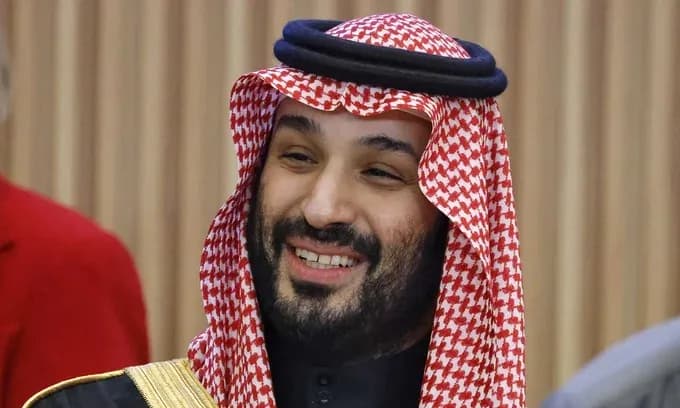
The man reshaping football’s balance of power does not think small.
In 2015, Mohammed bin Salman stepped onto the deck of the 134-metre superyacht Serene, liked what he saw and, within half a day, agreed to pay €429 million (US$550.7 million) to make it his own. Two helipads. An underwater viewing room. A cinema. Multiple pools. A private nightclub at sea. It was less a purchase than a statement: access, speed, and an almost casual relationship with numbers that would make most clubs’ annual budgets look modest.
That same year, on the outskirts of Paris, another record fell. For more than $300 million, the Crown Prince secured Château Louis XIV near Versailles, a neo-17th-century fantasy wrapped around cutting-edge tech. Behind the ornate facades sit climate-control and lighting systems run from an iPhone, fountains at the tap of a screen, and an underwater aquarium sunk beneath the moat. Old-world grandeur wired for a new kind of power.
The art market felt that power too. In 2017, an anonymous buyer stunned the auction world by paying $450.3 million for Leonardo da Vinci’s Salvator Mundi. The painting set a record as the most expensive artwork ever sold. The Crown Prince is widely believed to be the man behind the bid, another sign of a figure whose taste for trophies stretches far beyond silverware.
All of this is underpinned by wealth estimated at $25 billion, according to House of Saud. Yet the most disruptive spending is not on yachts, palaces or paintings. It is on football.
As chairman of Saudi Arabia’s Public Investment Fund (PIF), Mohammed bin Salman has turned the game into a central pillar of Vision 2030, the kingdom’s vast plan to diversify its economy through sports and entertainment. The chequebook that once chased art now chases influence on the pitch.
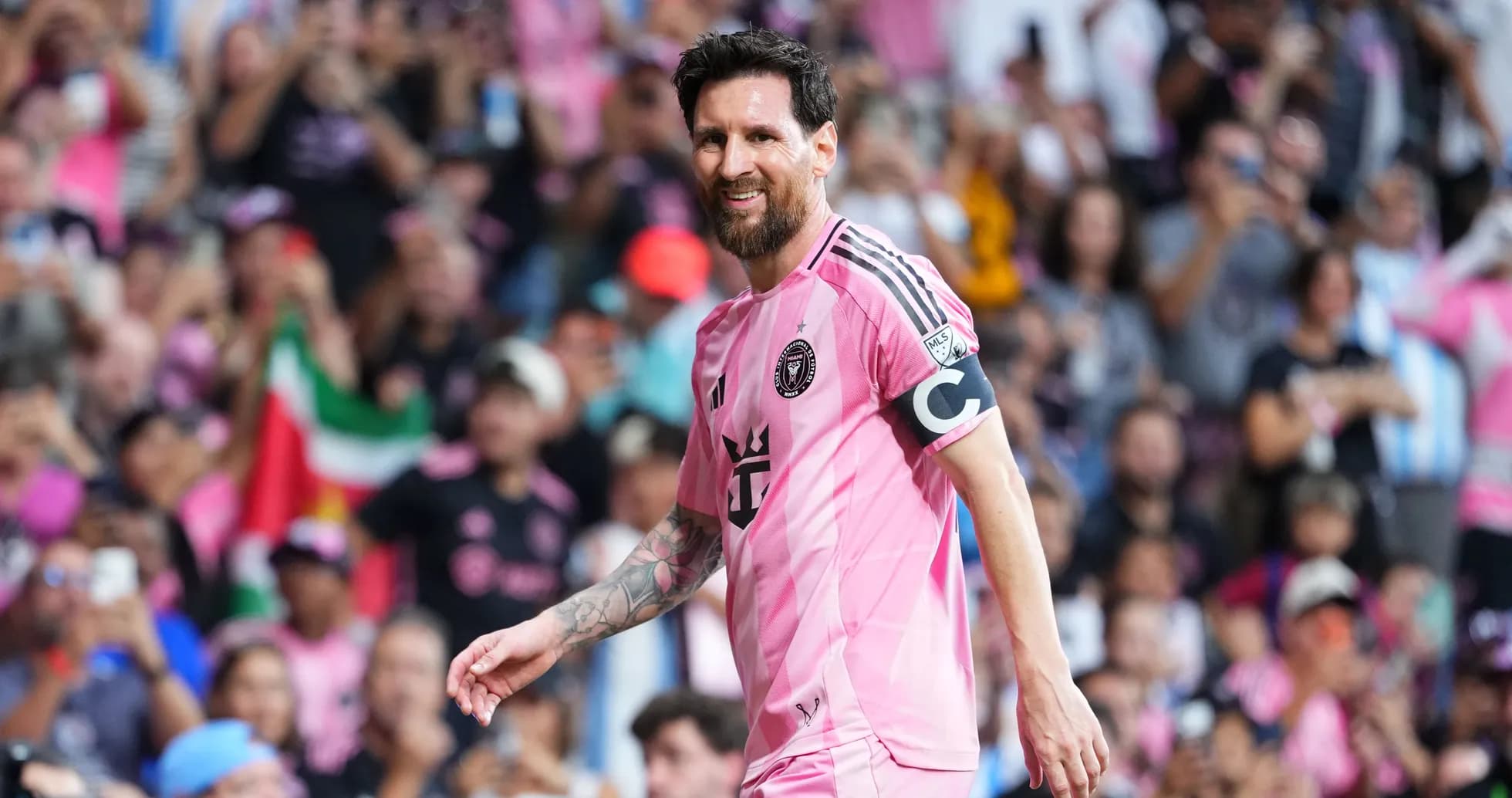
In 2023, that strategy took a decisive turn at home. PIF assumed majority control of four of the Saudi Pro League’s founding clubs: Al Nassr, Al Hilal, Al Ittihad and Al Ahli. The impact was immediate. With sovereign backing, Al Nassr landed Cristiano Ronaldo, a signing that detonated across the football landscape. One deal cracked open the market; a wave of global stars followed, drawn by salaries Europe could not, or would not, match.
What looked at first like a late-career haven for a few marquee names quickly morphed into a systematic raid on the established order. The Saudi Pro League, once a distant curiosity, forced itself into the daily conversation of agents, players and executives across Europe.
The reach does not stop at the kingdom’s borders. In 2021, PIF fronted the takeover of Newcastle United, a Premier League club with a fervent fanbase and untapped potential. That move pulled English football’s most-watched competition into the orbit of Riyadh’s long-term strategy. Newcastle went from perennial frustration to a project with near-limitless upside, backed by a fund whose investments stretch from tech to tourism to heavy industry.
This is how soft power is built in the 21st century: not only through embassies and summits, but through shirt sponsors, stadium expansions and Champions League ambitions.
Off the field, the Crown Prince’s contact list matches his spending. His network spans U.S. President Donald Trump, tech giants such as Mark Zuckerberg and Elon Musk, and Hollywood names like Johnny Depp, Morgan Freeman and Lindsay Lohan. The same circles that trade in politics, platforms and films now intersect with the man driving one of the most aggressive football projects the sport has ever seen.
He has never pretended to be modest about his means. In a CBS interview about his lifestyle, Mohammed bin Salman put it bluntly: “As far as my private expenses, I'm a rich person and not a poor person. I'm not Gandhi or Mandela. I'm a member of the ruling family that existed for hundreds of years before the founding of Saudi Arabia.” It was a rare public glimpse of how he sees his position: not as an outlier, but as the latest link in a long, powerful chain.
Yet even this carefully curated life of excess now sits under a different kind of pressure.
Regional security tensions have forced a recalibration. According to The Wall Street Journal, a recent surge in drone and missile attacks by Houthi forces has targeted airports and oil infrastructure in Riyadh, while commercial shipping lanes in the Red Sea face growing threats. In response, the Crown Prince has reportedly shifted his daily operations into heavily fortified palaces, protected by secure underground bomb shelters.
The contrast is stark. Above ground, superyachts, palaces, record-breaking paintings and football clubs. Below ground, bunkers and blast doors.
For football, the question is simple but profound: can this lavish, high-velocity project maintain its course if the man at the centre of it spends more time governing from behind reinforced walls?