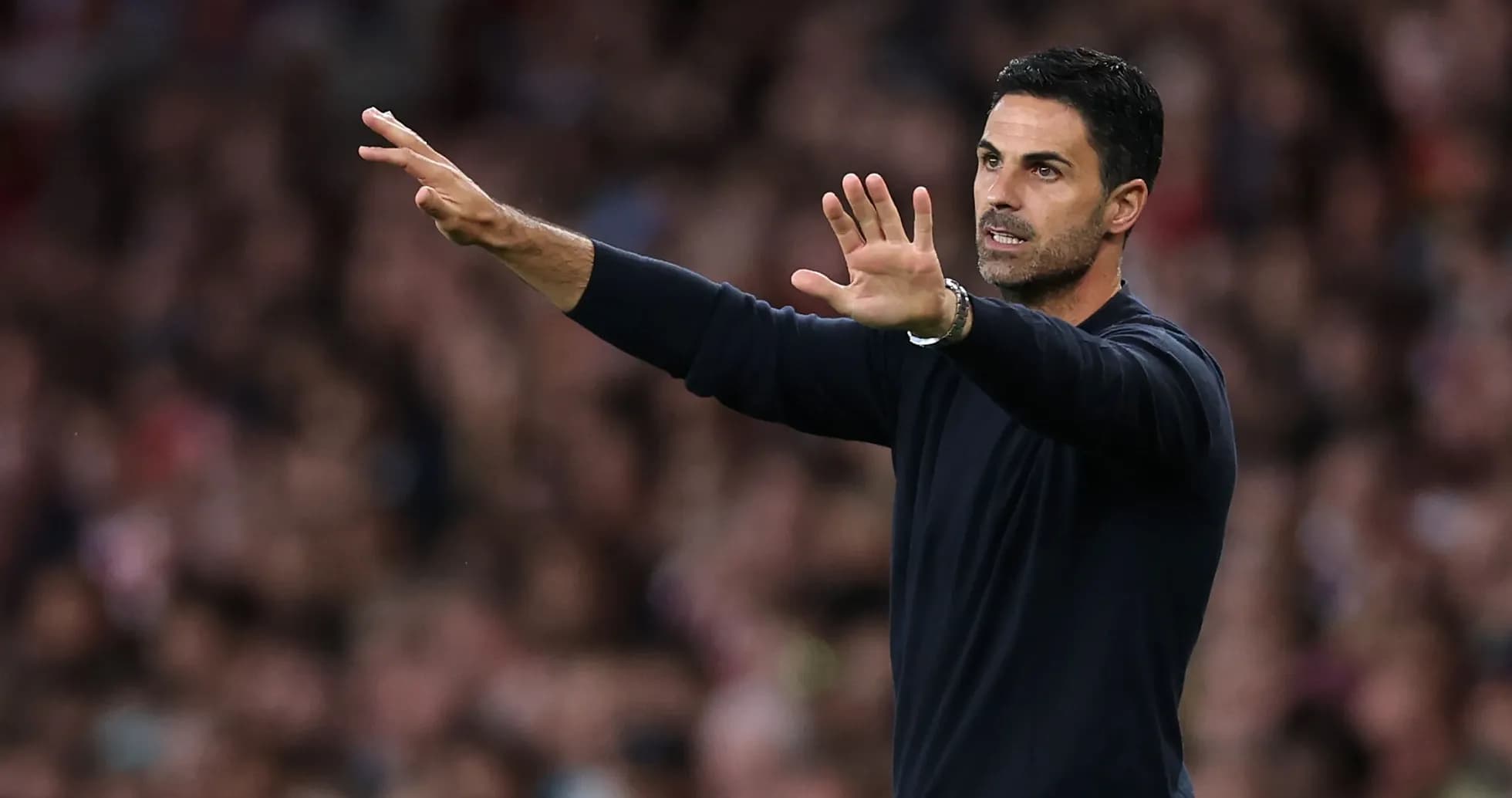
Mikel Arteta Calls for Expanded Matchday Squads in Premier League
Mikel Arteta is tired of telling good players to stay at home.
On the eve of Arsenal’s clash with Aston Villa, the Spaniard sharpened his message to the Premier League hierarchy: expand matchday squads, and do it now.
Arteta has been pushing for an increase on the current limit of nine substitutes, a number that was itself raised from seven in the wake of the Covid-19 pandemic. For him, that change no longer goes far enough. The modern calendar, he argues, makes the old framework obsolete.
“This is why I have been begging Premier League officials to extend those numbers just for the safety of the players, which is the most important thing,” he said, laying the issue squarely at the feet of those who set the rules.
This is not a theoretical debate for the Arsenal manager. It is personal and immediate. This season he has already had to omit big names such as Gabriel Martinelli and Gabriel Jesus from matchday squads, not because of form or fitness, but because there is simply no room.
He believes that kind of decision does damage on several fronts. It strains relationships. It chips away at morale. It risks losing players who feel frozen out long before they have had a fair chance to contribute. According to the report, the pair are now set to leave, a stark illustration of the human cost behind a dry regulation.
“I think every team needs more than 20 players on the pitch, ideally, to maintain the level of demand in the international matches we face, but these are the rules, and within these rules, we have to play,” Arteta said. The frustration in that last line is obvious: he is operating inside a system he no longer believes fits the reality of elite football.
The toughest part, he admits, is the conversation that follows when a player discovers he is not even allowed to sit on the bench. No warm-up. No dressing-room build-up. No involvement at all.
“We need to be very close to the players to explain those situations in the right way, so that everyone feels their importance, because they will indeed be important,” he said. The message is clear: you still matter, even when the team sheet says otherwise. But saying it and making players feel it are two very different challenges.
Those talks, Arteta concedes, wear on him. These are professionals who live for matchdays, suddenly told to watch from the sofa.
“The question should be put to the players more than anyone else,” he insisted. “What do they want? If they say: no, I would rather stay at home, then we will have a problem because they will not like what they are doing.”
In his view, the answer is obvious.
“I am sure that if you ask the players, everyone would want to be part of the team on matchday, otherwise you would have to tell one of them that he is not even part of the matchday squad. That is extremely hard. And it will not benefit anyone.”
Arteta sees a simple fix: allow more players to be named. Let them travel, warm up, feel the rhythm of the game. Keep them connected.
“This does not benefit the club, nor does it benefit the assessment of the player, nor does it help them feel part of it,” he said of the current restrictions. “In my opinion, it is a real problem and it has a very simple solution.”
With Arsenal fighting on multiple fronts and the physical load on players only rising, his plea doubles as a warning. The question now is whether the Premier League moves with him, or leaves managers like Arteta juggling stars on the outside looking in.