Leah Poulton Appointed Managing Director of England Women Cricket
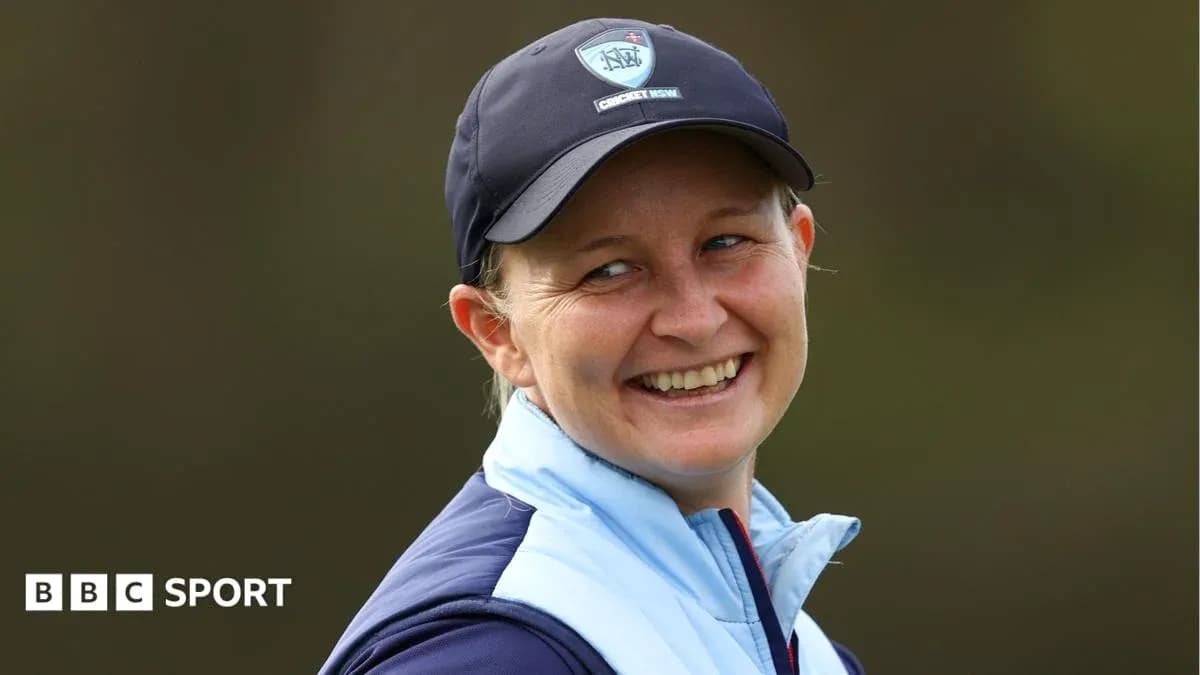
English cricket has turned south again for its next leader. The England and Wales Cricket Board has appointed Australian Leah Poulton as managing director of England women, handing the former batter sweeping responsibility for the national side and its pathway at a pivotal moment for the game.
Poulton, 42, will take up the role in November, replacing Clare Connor. She arrives with a packed coaching résumé and 90 appearances for Australia behind her, but also with a brief that is sharper and more focused than that of her predecessor.
An Australian at the Helm
The ECB has made it clear: Poulton will be accountable for the performances of England women, England women A, England women U19s, and the overall effectiveness and reputation of the women’s high-performance system. This is not a ceremonial appointment. It is a results job.
She will work directly with England head coach Charlotte Edwards and captain Nat Sciver-Brunt to set what the board describes as “a clear, unified vision” for sustained success on the world stage. The timing is no accident. England will host Australia in a women’s Ashes next summer, with an Australian now charged with plotting the route to regaining the urn.
Poulton knows exactly what she is walking into.
"I'm incredibly excited and honoured to be joining England and to have the opportunity to help shape our programmes and, most importantly, invest in our people," she said. She spoke of “strong foundations” already in place and her eagerness to “take the programme forward”, stressing the importance of robust pathways and a healthy domestic game in building lasting success.
A Builder of Systems, Not Just Teams
Poulton’s coaching journey has been steeped in structure and development rather than short-term fixes.
She has served as assistant coach at Sydney Thunder and Sydney Sixers in the Women’s Big Bash League, then moved into key roles at Cricket New South Wales as pathway manager and assistant coach for the NSW Breakers. A stint as high performance coach at Cricket Australia followed, before she returned to Cricket NSW as head of elite female cricket, a position she has held for the past six years.
Those roles have placed her at the heart of the Australian system that has dominated the women’s game. Now she is being asked to help England close that gap – and do it from the inside.
Her reputation is of a calm, clear communicator, willing to confront difficult issues rather than skirt around them. She has already worked with Edwards and selector Lydia Greenway in the Big Bash, a familiarity that should shorten the bedding-in period.
A Reshaped Power Structure
Poulton’s arrival comes amid a quiet but significant reshuffle at the ECB. Alongside Connor’s departure, women’s performance manager Jonathan Finch has also left, with Poulton effectively stepping into a combined brief.
Connor’s time at the ECB was sprawling. She held multiple roles, including deputy chief executive, and carried influence at the International Cricket Council and Marylebone Cricket Club. Poulton’s remit is far narrower – and that is the point. Her job is to concentrate on everything to do with the senior women’s team and the pathways that feed it. She is expected to be more hands-on, closer to players, coaches and the day-to-day rhythm of the set-up.
She is also understood to have beaten several prominent English cricket figures to the post, underlining the ECB’s willingness to look beyond national borders for specialist leadership.
It is a pattern. The England men’s team already leans heavily on expertise from the southern hemisphere, with New Zealanders Stephen Fleming and Brendon McCullum as head coaches and Australian Marcus North involved in selection. Now Poulton joins that group of overseas decision-makers at the top of the English game.
Calm Before an Ashes Storm
Poulton walks into a rare pocket of calm. The senior England women’s side is not back in action until after Christmas, and early winter attention will fall on the squads beneath the elite level – exactly where pathways and development come under the microscope.
That suits her skillset. It gives her breathing space to assess, to listen, to connect with people “across the game”, as she put it, and to start shaping the system that will deliver the next generation of England players.
But the lull will not last.
The new year brings one of the biggest stages English cricket can offer: a home Ashes series in the summer. The narrative writes itself – England, chasing Australia, trying to wrest back control of a rivalry that has defined the modern women’s game, led by an Australian charged with finally regaining the urn.
If Poulton’s career to date is any guide, she will not shy away from that irony. The question now is simple: can an architect of Australia’s dominance become the catalyst for England’s resurgence?