José Mourinho on Real Madrid's Dressing Room Dynamics
José Mourinho insists he has not had to play firefighter in the Real Madrid dressing room this season. The blaze, he says, burned out without him.
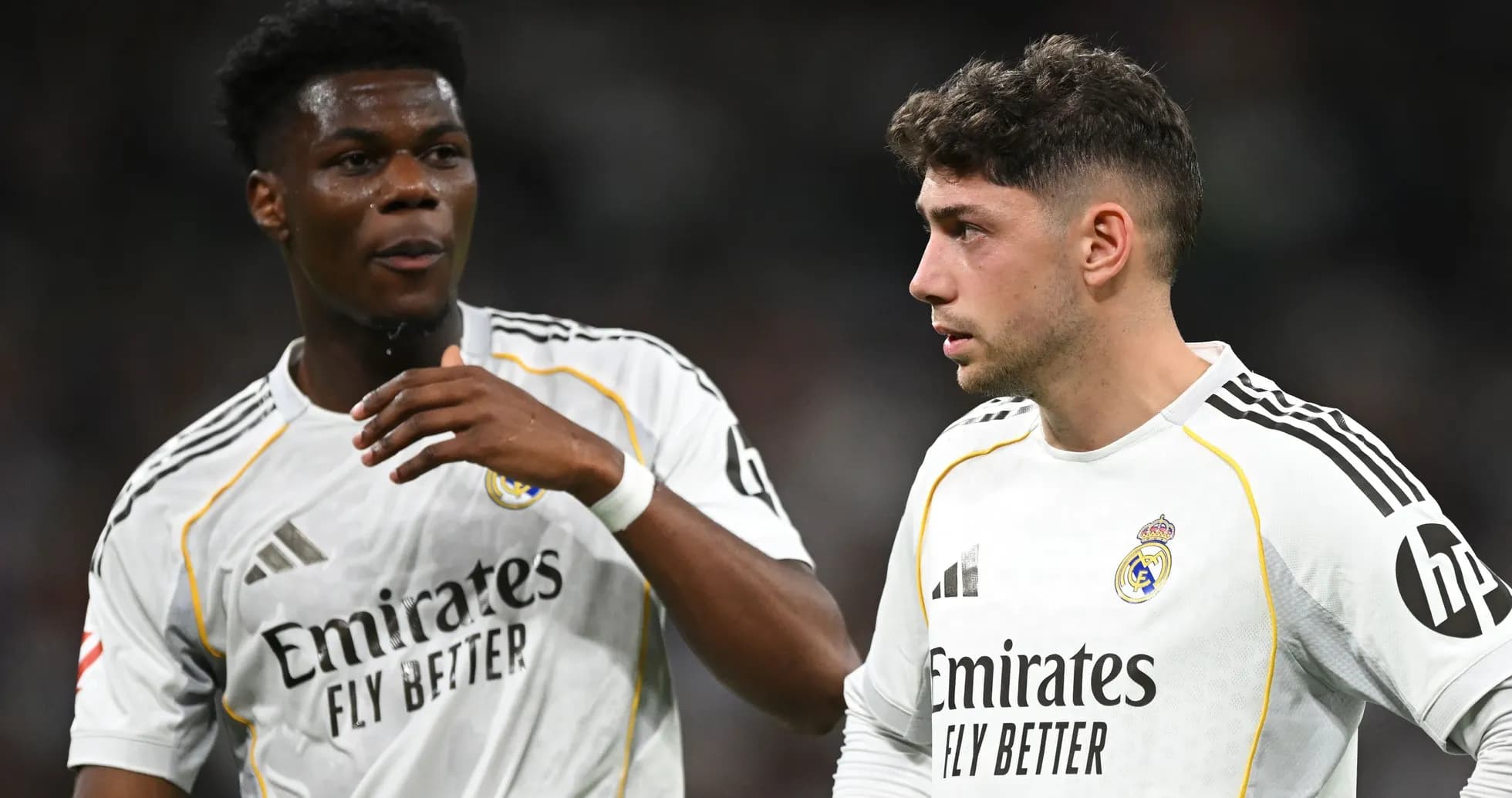
Last spring, Aurélien Tchouameni and Federico Valverde were at the heart of one of the most uncomfortable storylines of Madrid’s campaign, involved in two separate altercations in May, one serious enough to leave Valverde in hospital with a head injury. It felt, at the time, like a fracture that might demand presidential-level diplomacy.
Then summer arrived, and the script flipped.
Tchouameni signed a new contract. Valverde took the captain’s armband after Dani Carvajal’s departure. What could have been a long-running feud has instead turned into a symbol of a dressing room that, in Mourinho’s words, now polices itself.
“Look, I haven't done anything. They've done everything themselves,” the Madrid coach said before his side’s meeting with Rayo Vallecano. “The empathy within the group today, the friendship, the way they work together, the frustration when they go off because nobody wants to be substituted, but still supporting their teammates, the player who comes on in the final minute… the group is fantastic.”
You could see what he meant in the Champions League win over Inter Milan. Tchouameni, back from World Cup duty and making his first appearance of the season, came off the bench late on, replacing Trent Alexander-Arnold. At full time, there was no trace of the tension that once dominated the headlines – only a clear, deliberate embrace with Valverde.
Mourinho admitted he had braced himself for trouble when his internationals returned. He expected to read the room, maybe step between two of his most important midfielders if old wounds reopened. Instead, he walked into something else entirely.
“If I knew nothing, if I walked into the dressing room without knowing anything about the situation, I'd think they were great friends,” he said. “When they came back from the World Cup, I was obviously paying attention to see whether I needed to act as a peacekeeper, but I didn't have to do anything.”
The message is obvious: the midfield storm has passed. The coach, for once, did not need to be the protagonist.
That leaves space for another storyline: Vinicius Jr., the star who has spent the opening weeks of the season under an unforgiving microscope.
The Brazilian ended a summer of speculation by committing his future to Madrid with a new deal through 2032, a signature that underlined his status as one of the pillars of the club’s present and future. His start to the campaign, though, has been muted by his own standards – one goal in five games across all competitions, a trickle rather than the torrent Madrid fans have grown used to.
Mourinho is not remotely worried. He sounds almost impatient for the inevitable.
“The best Vinicius is coming soon,” he told reporters. “The one from last year, when the Bernabeu was terrified against Benfica and he ended up winning the tie. The Vinicius who won matches single-handedly hasn't arrived yet. But he will.”
In a football culture obsessed with spreadsheets and heat maps, Mourinho leaned on the numbers to back his conviction.
“In an era of data and statistics, he's very close to his top speed,” he pointed out. “He's broken his records for high-intensity sprints, records for ball recoveries, for ball recoveries in the final third... He's coming.”
The physical base is there, the work without the ball is there. For Mourinho, the goals and the chaos that define Vinicius at his peak are a matter of time, not doubt.
The Portuguese coach’s tone hardened when the conversation turned to the criticism raining down on the 26‑year‑old from sections of the Spanish media. Vinicius, already the owner of three La Liga titles, two Champions Leagues and two FIFA Club World Cups with Madrid, has reached the stage of his career where every quiet night is treated as a crisis.
Mourinho sees that as the price of greatness, not a sign of decline.
He reached for a phrase from home to make his point. “In Portugal there's a proverb, I don't know if it's the same in Spain, ‘you only throw stones at trees that bear fruit.’ What has Vini done here in recent years? How many Champions Leagues has he won? How many goals has he scored? He's a tree with plenty of fruit. And people throw stones because they want fruit.”
In a squad that has healed its internal rifts and a dressing room that, according to its coach, now runs on empathy and shared responsibility, Vinicius stands as the next question. Not whether he will respond, but how devastating he will look when he does.