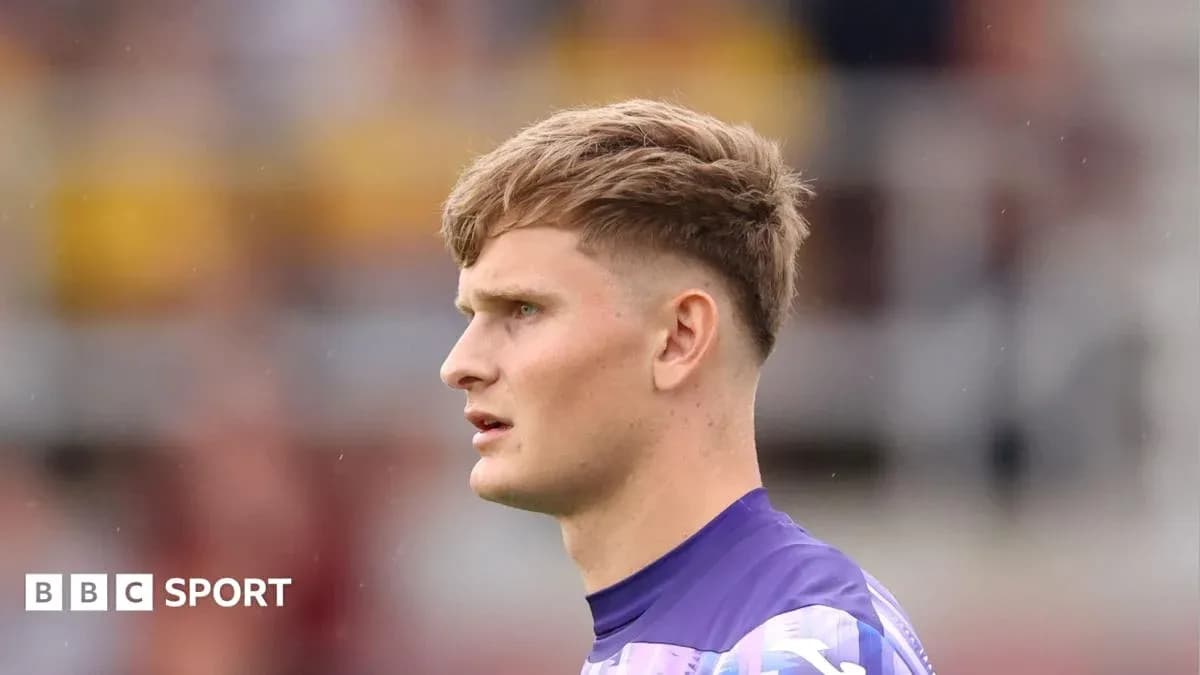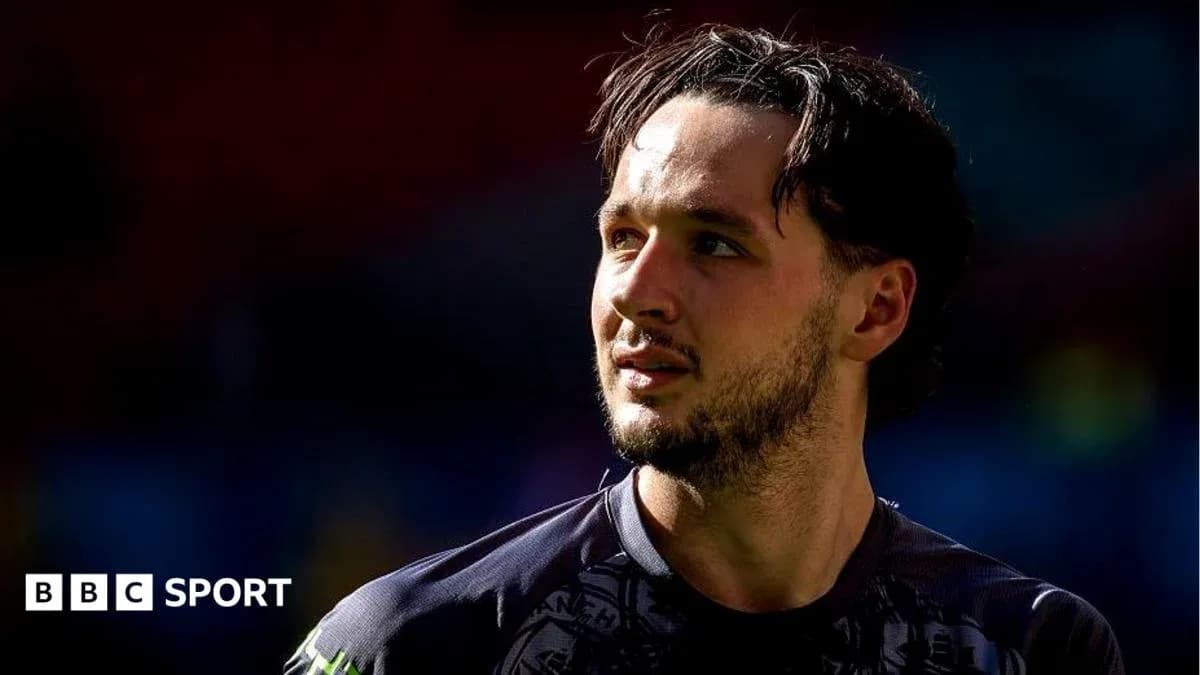
James Trafford's Journey: From Manchester City Bench to Leeds United Star
James Trafford does not sugar-coat it. A season spent largely watching from the sidelines at Manchester City was, in his own words, “horrendous”.
For a goalkeeper who had fought his way up from academy prospect to England international hopeful, the timing could hardly have been crueller. City brought Trafford back in July 2025, two years after he had left for Burnley in search of minutes in the Championship. The return felt like a reward, a validation. Then Gianluigi Donnarumma walked through the door.
The Italy international arrived from Paris St-Germain less than six weeks after Trafford’s homecoming, fresh from winning the Champions League and with the aura of a ready‑made No 1. At 27, Donnarumma instantly became Pep Guardiola’s first choice. Trafford, 24 and ambitious, suddenly found himself staring at the bench.
He began the season as if the story might be different. Three starts, a sense of momentum, the impression that City’s faith in their academy graduate was real and lasting. Once Donnarumma pulled on the gloves, though, Trafford would start only one more Premier League game in the remaining 35.
The emotional toll hit him hard. Speaking on Football Daily’s The Football Interview, Trafford laid bare the frustration of training all week only to sit and watch.
“What a horrendous, horrendous feeling. Not playing,” he said. The repetition told its own story.
Like many young professionals, he leaned on the people closest to him. “You are ringing a lot of people and just venting. Like most people, you have a [bad] day at work and you ring someone up.
“I ring my dad, I ring my mum, I ring my missus, I ring my mates. I like ringing my mates and we can just have a good talk about it all. It’s quite funny.”
The humour sounds like a coping mechanism. The reality was more complicated. Trafford had come back to Manchester with “the highest of hopes”, as he put it, and the belief that this would be the season everything clicked. City, as usual, were chasing everything. He wanted to be in the thick of it.
He did, though, find his stage in the cups. Guardiola trusted him in the domestic knockouts, and Trafford responded by starting both the League Cup and FA Cup finals at Wembley. City won them both. For a goalkeeper locked out of league action, these were not scraps; they were centrepiece occasions.
“Going into any season, I always have the highest of hopes and always the belief that it will go the best way it could,” Trafford said. “Unfortunately, we didn’t win all four trophies. It didn’t go how I expected it to go, but it happens.
“In the moment, I just tried to make the best of it as I could. Looking back, I don’t think it was a disappointing season in the end because I learned so much, I improved so much and I won two trophies in one year.
“There were moments when I was very down, regretting things and feeling disappointed, but looking back, I’m very thankful for the experience. What an incredible year.”
That duality sums up Trafford’s time back at City: brutal in the day‑to‑day, gilded in the honours list. Medals in his hand, but a nagging sense he was living someone else’s career.
The turning point came after the World Cup. Trafford, armed with those Wembley memories and a season of training alongside Donnarumma under Guardiola’s staff, chose the harder, bolder route. He left again, this time for Leeds United, in a deal worth up to £45m – a record fee for a British goalkeeper.
If life at City had felt like waiting in a corridor, Elland Road has flung the doors wide open.
Daniel Farke installed him as his Premier League No 1 from day one. Trafford has started all nine of Leeds’ league matches this season, finally living the rhythm he craved: prepare, play, recover, repeat. He already has three clean sheets, and only Brighton (seven goals conceded) and Arsenal (five) boast tighter defences than Leeds’ eight.
Those numbers matter. They tell the story of a team that has quietly become harder to break down, and of a goalkeeper who has brought calm to a club that rarely does anything quietly. Leeds sit 12th ahead of the weekend fixtures, just two points off the European places. For a side still reshaping itself, that proximity to the continental spots is more than a quirk of the early table; it is a target within sight.
Trafford sounds as energised by the environment as he is by the football.
“I just think it’s an incredible club,” he said. “You look at the fanbase, everyone here – it’s an incredible place. It’s just somewhere that’s only going and getting better.
“We’d love to get back into Europe. I think every club you ask would like to get into Europe, so the main goal is just to keep on improving.”
From “horrendous” afternoons on the bench to the weekly roar of Elland Road, Trafford has swapped silverware without minutes for a project that gives him both responsibility and risk. He knows what it feels like to win trophies from the periphery. The question now is whether this version of James Trafford – battle‑hardened by Manchester City, liberated by Leeds – can help drag a restless club back onto the European stage.