Jack Grealish's Return to Everton: A Second Chance at Redemption
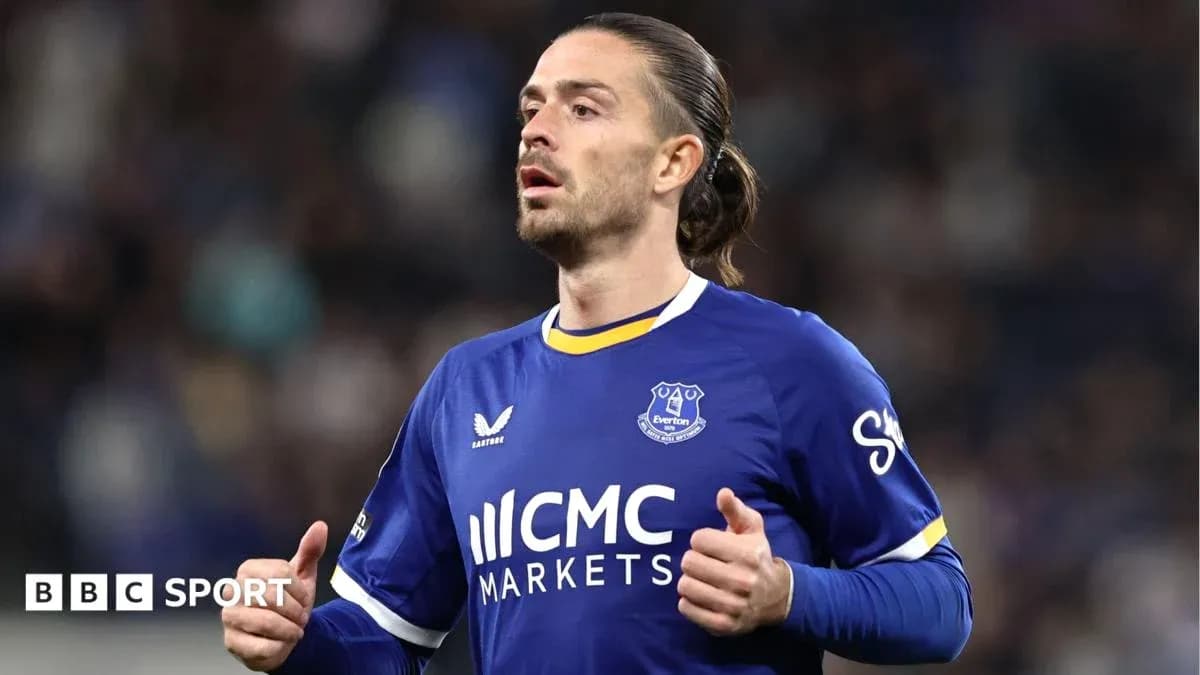
When Jack Grealish rolled back into Finch Farm in a white Lamborghini an hour before the end of deadline day, Everton felt alive again. A bleak summer suddenly had a soundtrack: car engine, camera shutters, and the buzz of a fanbase that had taken him in once and was desperate to do it again.
His first loan from Manchester City had ended in a boot and a fracture, not a farewell. Yet in those months before the injury, the 31-year-old had given Everton supporters enough flashes of colour and chaos to feel like one of their own. When he finally left in the early hours of that night, every autograph signed, every selfie done, it felt less like a temporary deal and more like a returning cult hero clocking back in.
This second act was supposed to matter for everyone. For David Moyes, handed a paper-thin squad of just 18 senior players after a botched window and owners edging towards the exit. For Grealish, exiled from City in the final year of his contract, effectively told his time at the champions was over. Everton offered relevance, a stage, maybe even redemption.
Now it has reached the hard part.
A public line crossed
When Everton announced before their Carabao Cup tie against Newcastle that Grealish had been left out for “a breach of club discipline”, the wording was deliberate and the timing ruthless. This was not a quiet internal fine or a vague “knock”. It was a statement.
The breach? He failed to turn up for training on Monday.
For a player who became Britain’s first £100m footballer when he left Aston Villa for Manchester City in 2021, it was a jarring detail. For Everton, it was serious enough to go public, a clear sign that this was not a minor lateness issue but a line they felt compelled to draw.
Inside the club, Grealish has now held talks with senior figures. The message, under a disciplinarian like Moyes, will have been blunt: this cannot happen again. Not here. Not now.
This is not, Everton insist, the fabled “Last Chance Saloon”. Moyes simply does not have the luxury. His squad is too small, his season too demanding, to banish a player of Grealish’s quality on the back of one major lapse. But the margin for error has narrowed to almost nothing.
Because while Grealish sat out, Everton produced arguably their best performance of the season.
A team steps up – without him
Under the Goodison lights, Everton beat Newcastle United 3-1, a result that did more than just put them into a quarter-final at League Two side Fleetwood Town, the surprise conquerors of Arsenal in the previous round. It showed there is a version of this team that can be dynamic, aggressive and effective without their marquee loanee.
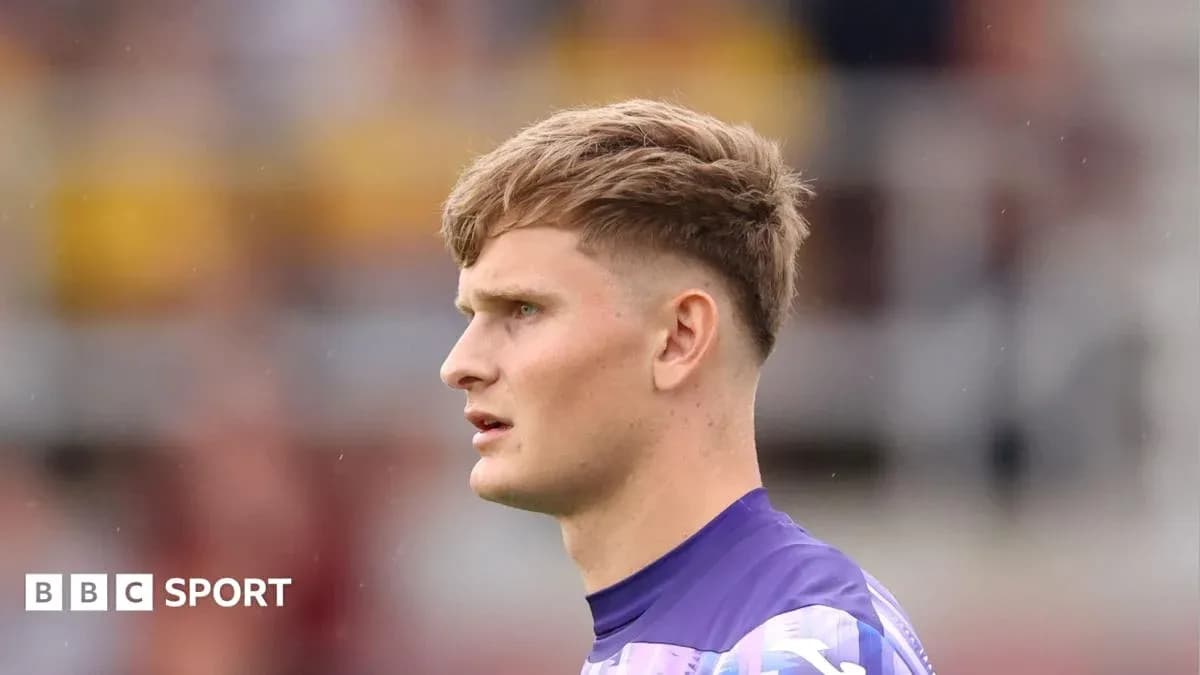
On the left flank, the space Grealish might have occupied went to 20-year-old Tyrique George. He brought speed, directness and energy – the kind of tempo Moyes demands and, this season, has not consistently seen from Grealish, whose tendency to slow attacks has jarred with his manager’s preferred style.
The contrast will not have been lost on anyone inside the stadium.
Moyes, as expected, refused to be drawn into detail after the game.
“You probably know I'm not going to give any details. It's a club decision and I support it. It's something I don't want to speak too much about,” he said, before pivoting firmly back to his squad’s response.
“The one thing about Everton is that they have got real good values. All the players stand behind it and accept the values, on the pitch and off the pitch, and I think the players did a good job.
“It is a small squad, but we are doing our best to keep challenging. We are not accepting any excuses for anything and I think the players are doing a great job. There was a humility about us.”
He never mentioned Grealish by name. He didn’t need to. Every sentence about values, humility and responsibility might as well have been underlined for the absent forward.
From treble winner to crossroads
This is the jarring part of Grealish’s story. This is not some fringe talent fighting for relevance. This is a player who helped drive Manchester City to a Treble in 2023 – Premier League, FA Cup, Champions League – and who, at his best, can still unpick elite defences.
When Moyes first landed him on loan in August 2025, the bond between the pair formed almost instantly. Grealish himself said: “As soon as I spoke to the manager, I knew there was only one place that I wanted to go and that was Everton.”
He played with that conviction too, until the foot fracture suffered in a 1-0 win at former club Aston Villa ended his season. His decision to stay at Finch Farm for his rehabilitation rather than return to City’s Etihad Stadium told its own story about how settled he felt on Merseyside.
Everton’s choice to bring him back for a second loan was not casual. They weighed everything: the injury, the finances, the tactical fit, and, yes, the character. Moyes pushed again, convinced that the upside was worth the risk, especially as owners The Friedkin Group stepped back from serious investment while preparing to put the club up for sale.
The reward so far? Underwhelming. No goals, no assists in eight appearances this season – two of them for City before the move – and a rhythm that has never quite clicked. His illness-enforced absence from the defeat at Arsenal at the weekend already felt like a missed opportunity. Skipping training days later turned it into something far more serious.
For a manager already furious at his lack of depth, watching one of his most gifted players rule himself out through ill-discipline will have cut deep.
A complex character, not a cartoon
Inside Everton, the frustration comes with a twist: they like him. A lot.
Teammates, coaches, staff around the training ground – the verdict is consistent. They describe Grealish as a “lad with a heart of gold, kind and charming, who actually loves being here”. He engages with the club’s community work. He spends time with the Everton in the Community Down Syndrome team. He is one of the first to step forward when asked.
The evidence is there. Recently, he quietly donated £10,000 to a GoFundMe page for Everton supporter Leon Skapars, a 36-year-old father of three diagnosed with cancer. Skapars’ wife, Crystal, spoke of what that gesture meant.
“In that moment, Jack gave our whole family something we desperately needed, hope. What he has done for our family is something we will never forget. It makes us feel incredibly emotional.”
Grealish presented awards at the Daily Mirror’s ‘Pride Of Britain’ event, saying: “Footballers are classed as heroes – but these are the real heroes.” In April, he extended his role as principal ambassador to Special Olympics Great Britain for another three years, having first taken it on in 2022.
To mark it, he hosted five of the 10 Special Olympics GB athletes who completed the London Marathon at Everton’s Hill Dickinson Stadium, giving them a VIP day out, a stadium tour and time pitchside. He often speaks of the inspiration he draws from his sister Hollie, who has cerebral palsy.
This is not a one-dimensional rebel. It never has been.
Old headlines, new stakes
Yet the other side of Grealish’s life keeps intruding. The headlines never stay purely about his football.
In April, he was photographed asleep at a Manchester rooftop bar, drinks scattered around him. Not illegal, not unprecedented for a footballer on a night out, but unwise given the constant presence of camera phones and the fact he was supposed to be in rehabilitation from injury.
Go back further and the pattern continues. In March 2020, he broke lockdown rules while at Aston Villa, was fined by the club and issued a public apology. In November of that year, he admitted two counts of careless driving after incidents involving a Citroen van and a Mercedes.
BBC Sport understands there have been occasional time-keeping issues in the past, but nothing on the scale of simply not turning up for training. On the whole, he is regarded as a hard trainer who looks after himself physically. That is what makes this latest lapse feel so avoidable, so needless.
And that is where the tension lies. Speak to most people around Everton and the character references remain glowing. They talk about his generosity, his humour, his willingness to give time. They want him to succeed. They want this story to turn.
But football, especially at the sharp end of the Premier League, has less and less patience for repeated missteps. Moyes cannot build a season around a player he cannot fully trust to be there when required.
Everton have not slammed the door. Not yet. They cannot afford to. Wembley has crept into view in the Carabao Cup, and they need every match-winner they can muster. Grealish will almost certainly be given a route back, a chance to repair the damage in the dressing room and in the stands.
He is, though, undeniably at a crossroads. Failure here, in a club and a city that have embraced him twice, would not just be another bump in a colourful career. It would feel like the moment the game at the very top starts to move on without him.