Hawks Trade Buddy Hield for Dorian Finney-Smith: A Strategic Move
The Atlanta Hawks didn’t just tweak the margins on Tuesday. They made a statement about what kind of roster they want to carry into the heart of their timeline.
According to ESPN’s Shams Charania, Atlanta is sending Buddy Hield, Ryan Nembhard and cash to the Charlotte Hornets in exchange for Dorian Finney-Smith, a move that reshapes both teams’ depth charts and their books in very different ways.
Hawks Trade Shooting for Versatility
For Atlanta, this is about flexibility — on the floor and on the balance sheet.
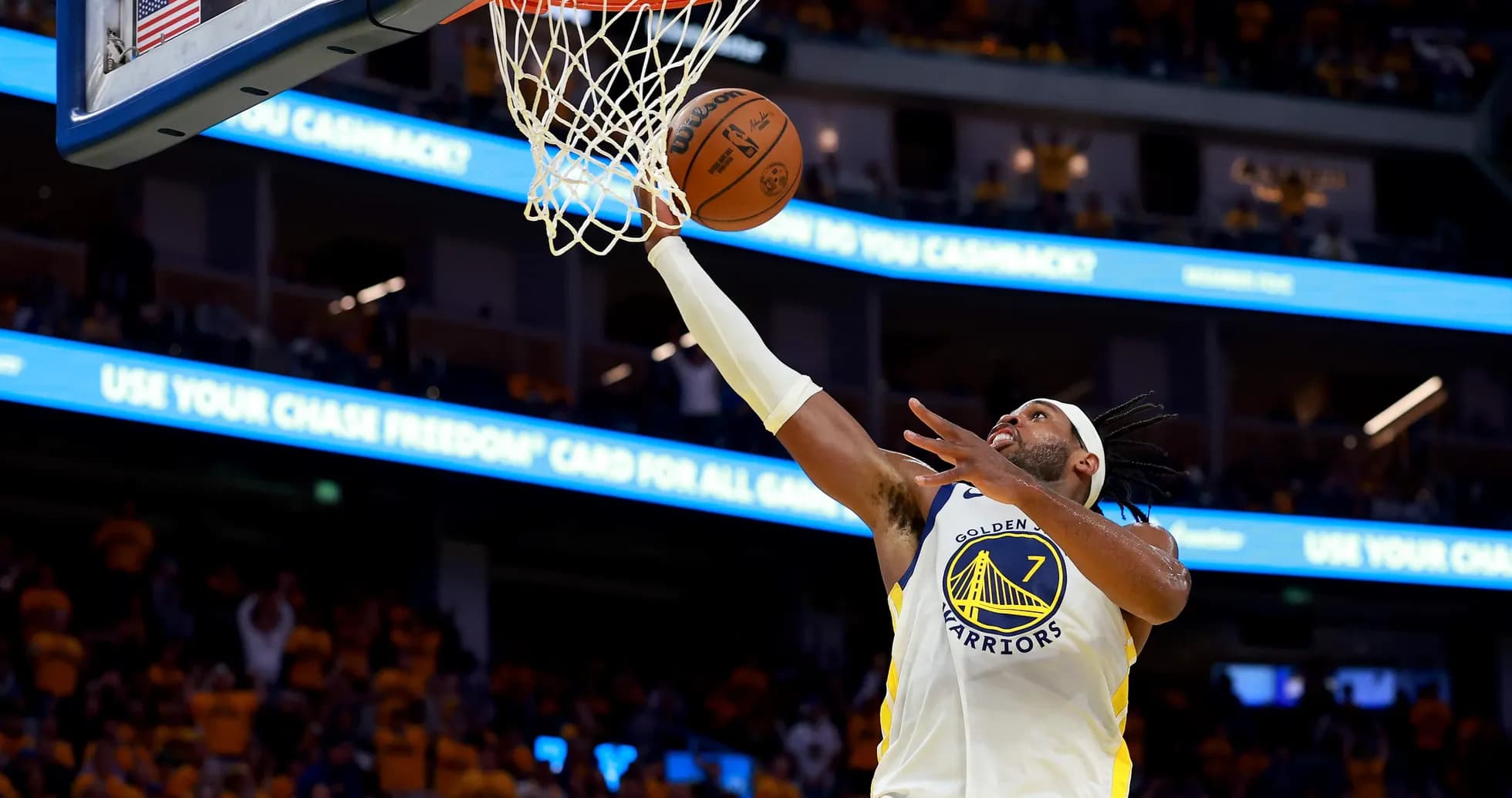
Buddy Hield, one of the league’s most prolific long-range gunners over the past decade, heads out after a split season between the Golden State Warriors and Hawks. He averaged 7.6 points, 2.3 rebounds and 1.4 assists in 51 games, shooting 43.7% from the field and 34.9% from three. Not bad, but not the flamethrower numbers that once defined his career.
Hield also carries a $10 million player option for the 2027-28 season. That future decision loomed over any long-term planning.
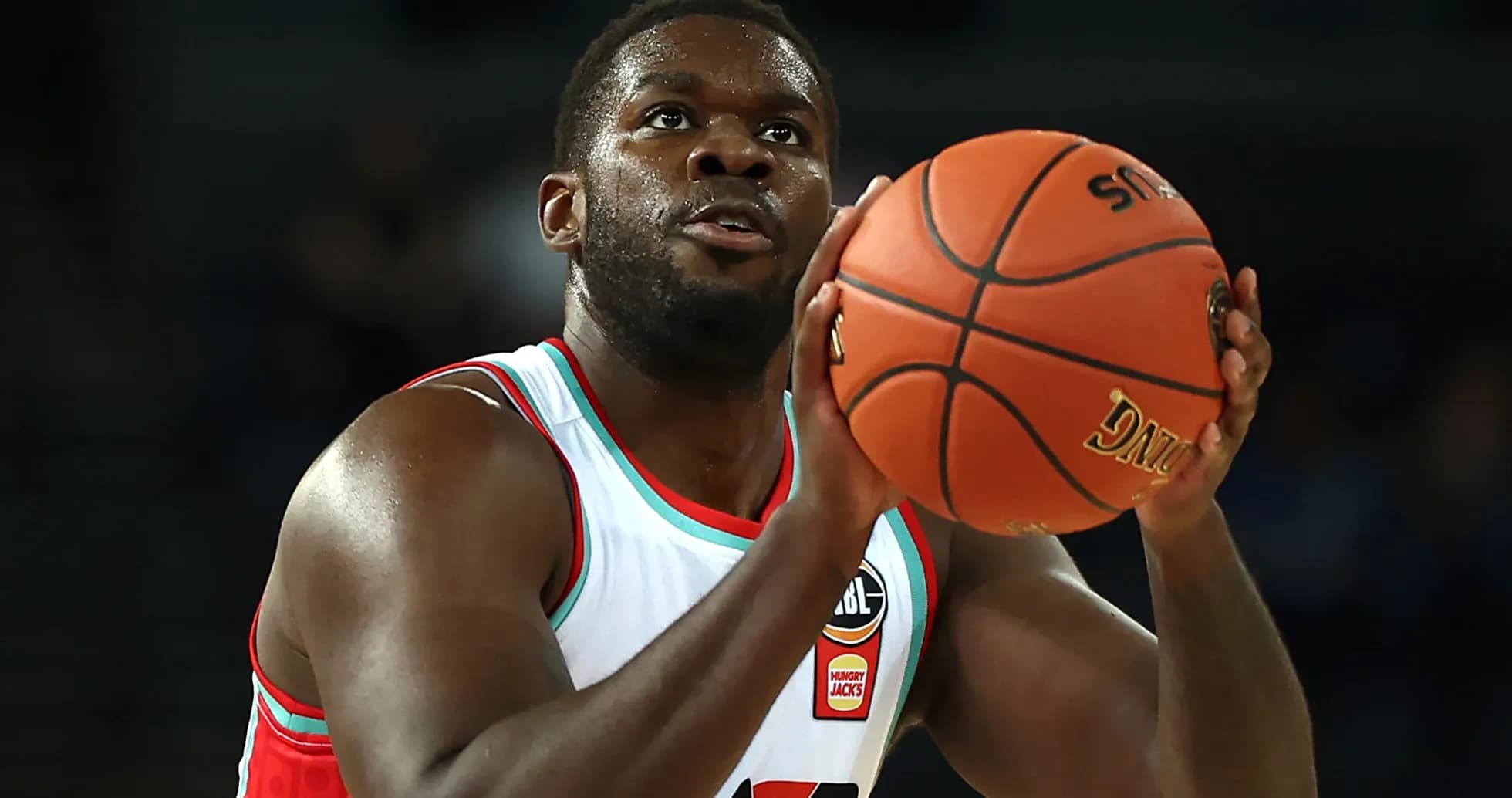
In comes Dorian Finney-Smith, the kind of rugged, switchable forward contenders are always hunting. His contract is structured very differently: $14.1 million this season, then $13.3 million in each of the next two years, both non-guaranteed, as Bobby Marks outlined. That non-guaranteed money is gold for a front office trying to stay nimble.
Atlanta does take on about $2.4 million more in salary in the immediate term, as Keith Smith noted, but still sits roughly $1.4 million under the luxury tax with 15 players on standard contracts. The Hawks also create a $2.1 million trade exception, another small tool in their cap arsenal.
The basketball fit is obvious. Atlanta swaps a movement shooter for an athletic, defensive-minded wing who can guard up and down the lineup. A team that has often struggled to get stops now adds another veteran who thrives in the dirty work.
Hornets Double Down on Shooting
Charlotte, meanwhile, is leaning hard into a clear identity.
The Hornets receive Hield and Nembhard and likely create a $4.5 million trade exception, per Marks. Hield’s deal runs $9.7 million this season and $10.1 million next year, with no guaranteed money on that second season. Nembhard arrives on a $2.1 million deal.
Financially, it’s clean. On the court, it’s loud.
The shooting numbers tell the story. StatMuse highlighted that Kon Knueppel averages the most threes per game in NBA history by a player logging under 32 minutes per game. Hield holds the same distinction for players under 28 minutes. Now they share a locker room.
Andy Bailey put it bluntly: with Kon Knueppel, Brandon Miller, Coby White, Naz Reid, Grayson Allen, Royce O’Neale and now Hield, Charlotte has assembled one of the league’s most aggressive perimeter groups. The single-season record of 1,457 made threes suddenly doesn’t feel like a wild talking point. It feels like a target.
The bench alone reads like a three-point contest lineup. One Hornets-focused account, @SleeperHornets, rattled off an updated second unit: Hield, Nembhard, Dennis Schroder, Grayson Allen, Royce O’Neale, Christian Anderson, Sion James, Ryan Kalkbrenner, Liam McNeely, Tidjane Salaun, Hannes Steinbach, Grant Williams, Pat Connaughton and PJ Hall. Their conclusion was simple: “This team is DEEP.”
There is a catch. Smith pointed out that Charlotte will have 18 players on standard contracts after the deal, meaning three waivers are coming. Depth is an asset, but decisions are looming.
A New Chapter for Buddy Hield
For Hield, this is another stop in a career that has already seen its share of moves since he entered the league as the 6th pick in the 2016 NBA Draft out of Oklahoma.
He carved out his name as one of the purest volume shooters of his era, then spent parts of two seasons with the Warriors before a mid-2025-26 trade sent him to Atlanta. Now he lands in a situation built almost perfectly for his skill set: a team that wants to stretch the floor to its absolute limit, that will live with quick-trigger threes and lean into variance.
The Hornets are betting that Hield’s reputation as a historic-level shooter still has chapters left to write. The Hawks are betting that defensive versatility and financial flexibility will matter more than one more specialist.
Two teams, one trade, and a clear question hanging over both: in a league obsessed with spacing and switching, which version of roster-building wins out?