Chelsea Tightens Fantasy Premier League Leak Policies
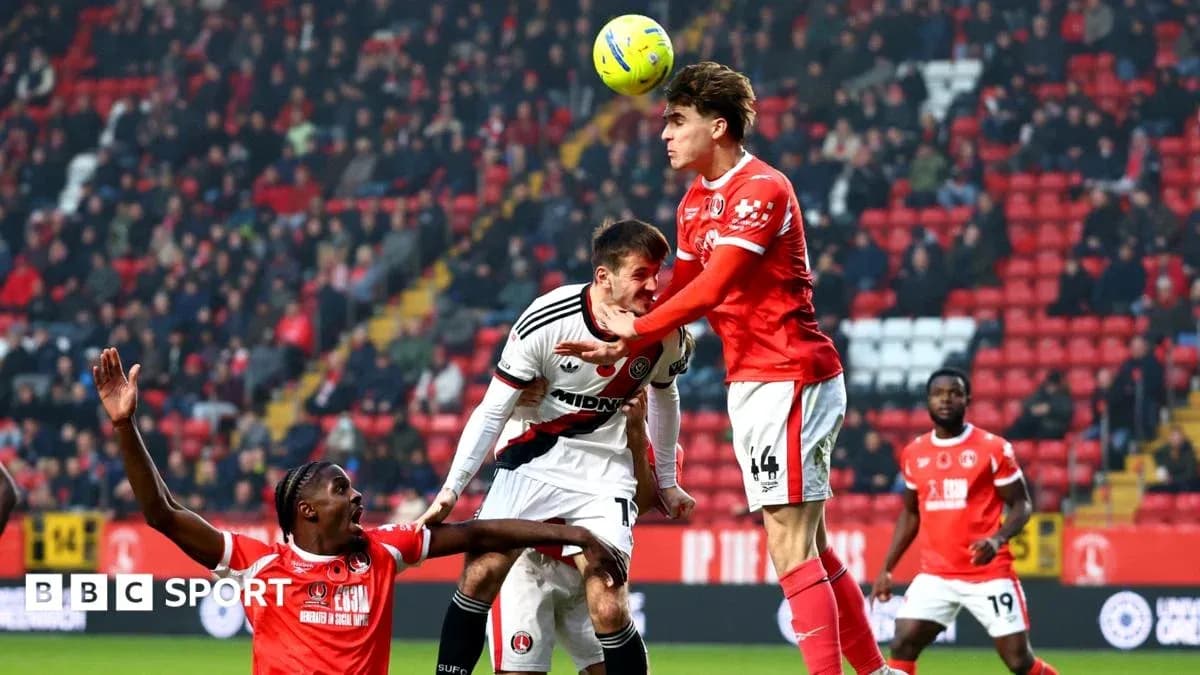
Chelsea have moved to clamp down on Fantasy Premier League leaks after concerns that Joao Pedro’s injury was effectively telegraphed online before their 2-0 home defeat by Tottenham.
Club staff received an internal email warning them to be vigilant about how their Fantasy Premier League (FPL) activity – and use of any inside information – could inadvertently reveal team news. The message underlined that squad selections on public gaming platforms can hint at which players are injured, unavailable or close to returning, and stressed the potential consequences of that information slipping into the public domain.
The flashpoint came before the Tottenham game at Stamford Bridge. Pedro, expected to feature, was suddenly missing from the squad. Only later did it emerge he had suffered a quad injury. Long before kick-off, though, several prominent FPL content creators claimed they had seen signs something was up.
According to those creators, forward Morgan Rogers and several members of Chelsea staff appeared to have removed Pedro from their FPL teams ahead of the match, despite the club making no announcement about any problem. In the data-obsessed world of fantasy tracking, that was enough to set off alarms.
Asked about the situation by BBC Sport after the defeat, head coach Xabi Alonso said he knew nothing about it. “I am not into the fantasy team thing, so I didn't know that,” the 44-year-old replied, staying true to the guarded approach he has adopted on injuries since arriving at Chelsea in the summer.
This is not the first time Chelsea have had to wrestle with leaks. During Liam Rosenior’s brief four-month spell in charge last season, team selections were revealed in advance of both legs of their Champions League defeat to Paris St-Germain. The club also had to deal with an offbeat episode when Marc Cucurella’s barber disclosed on social media that Pedro and Cole Palmer would miss a trip to Brighton, having been told by his client.
For now, Chelsea see the latest incident as a one-off that can be handled through education rather than punishment. No formal bans on Fantasy Premier League are expected, with the club believing that better awareness among players and staff should be enough to stop a repeat.
The issue, though, stretches far beyond Stamford Bridge. Across the Premier League, there have been repeated instances where FPL behaviour has been used to second-guess team news. Players from clubs including Arsenal, Liverpool, Leicester and Newcastle have all been cited in online discussions after making last-minute changes to their fantasy squads that appeared to mirror real-life injuries or absences.
BBC Sport has identified accounts that FPL tracking communities believe are linked to high-profile players and club figures around the division, feeding an entire subculture devoted to reading the tea leaves of private selections made public.
The most famous case remains Jack Grealish at Aston Villa in February 2021. Before a league match against Leicester City, fantasy managers noticed that several of his team-mates had transferred him out of their squads. By the time the teams were announced, Grealish was indeed missing. Leicester won the game, and Brendan Rodgers later admitted he had heard rumours of the England international’s injury in advance.
All this plays out against the backdrop of a competition where more than 11 million people are said to participate. Fantasy Premier League has grown from a side hobby into a powerful part of football’s wider ecosystem, shaping conversations, fuelling content and, increasingly, brushing up against the sensitive world of insider information.
Premier League rules come down hard on gambling, but they do not offer specific guidance on how clubs should handle FPL participation. There is no blanket directive on whether players, coaches or staff should be allowed to play. That responsibility sits with the clubs themselves.
Chelsea have now made their stance clear: enjoy the game, but keep club secrets off the fantasy pitch. In an era where a single transfer out can give the game away, how long can other clubs afford not to do the same?