Cathy Engelbert Steps Down as WNBA Commissioner After Historic Tenure
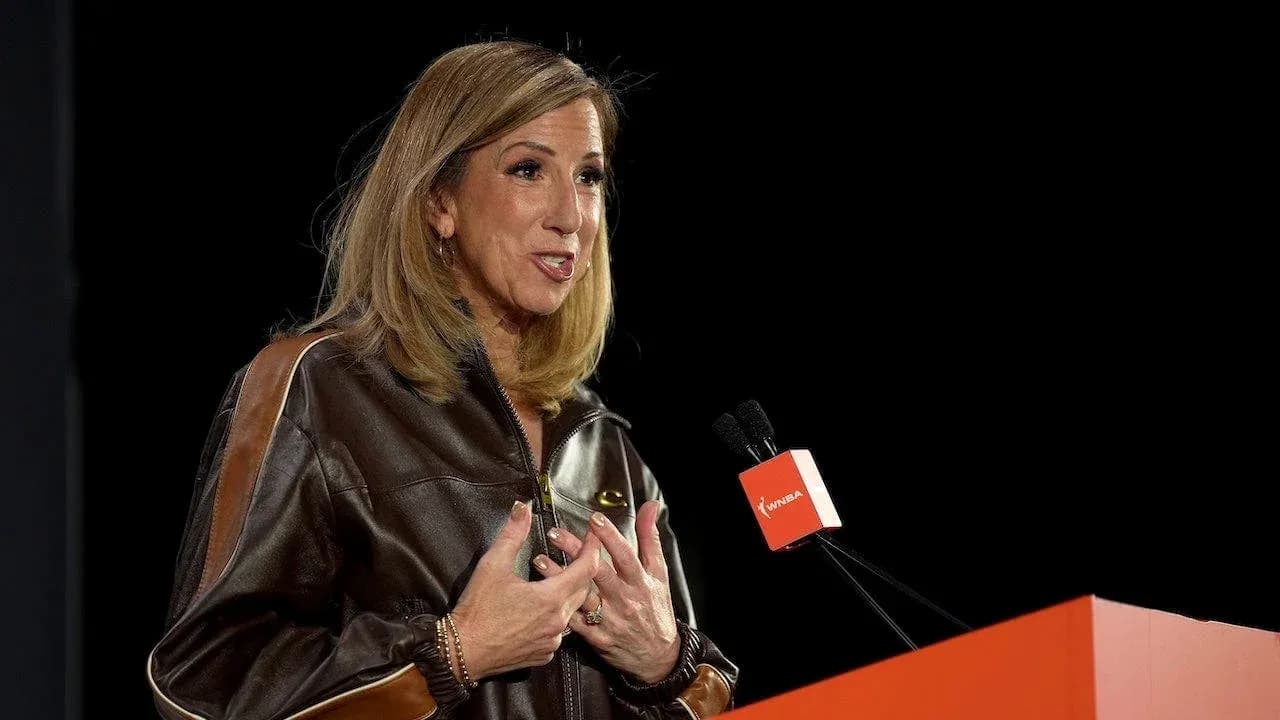
Cathy Engelbert, the first commissioner in WNBA history and the architect of its modern era of growth, will step down at the end of the calendar year, closing a seven-year run that reshaped the league’s scale and ambition.
The announcement came via NBA commissioner Adam Silver, who credited Engelbert with steering the WNBA through what he called “the most significant period of growth in the league’s 30-year history.”
Engelbert, 61, confirmed her decision in a statement, framing it as the culmination of more than four decades in business and seven years at the league’s helm.
“After more than seven years at the WNBA and more than 40 total years in business, I have made the decision to retire as WNBA Commissioner,” she said. “In 2019, I had the privilege of being appointed the league’s first commissioner and to lead a league with enormous potential yet untapped awareness and significant undervaluation. Over the years, it has been amazing to watch WNBA players thrive and lead the massive cultural surge around women’s sports.”
A tenure that changed the scale of the league
Engelbert took over in 2019 with the WNBA still fighting for visibility, valuation and respect. She exits having presided over an aggressive period of expansion and structural change.
Under her watch, the league grew from 12 to 18 teams, a major statement of intent in a sport long constrained by limited franchise numbers. She also oversaw the WNBA’s media rights strategy and its collective bargaining agreement, two pillars that underpin the league’s financial and competitive future.
The league’s own statement underscored the impact: Engelbert helped drive increases in viewership and pushed the WNBA to historic highs in digital engagement, game attendance, League Pass subscriptions, merchandise sales, corporate partnership revenue and franchise valuations.
The calendar changed with her, too. In 2021, Engelbert introduced the in-season Commissioner’s Cup, a tournament designed to inject competitive stakes and fresh inventory into the regular season. She later expanded the regular-season schedule to 44 games in 2025 and set the league on course for a record 50-game slate in 2027, a clear signal that the WNBA intends to operate on a bigger, bolder stage.
Growth amid controversy
Engelbert’s retirement lands at the end of a turbulent year for the league, one in which off-court debates often drowned out on-court storylines.
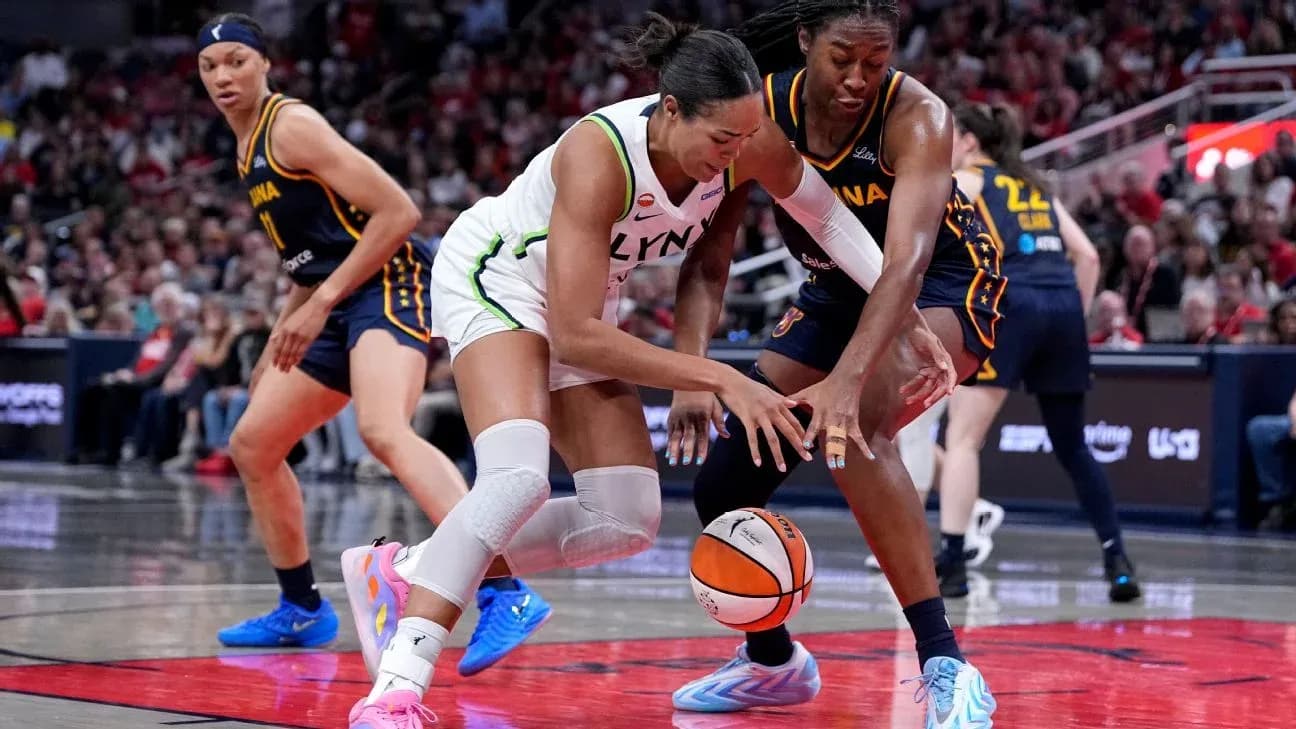
Indiana Fever player Sophie Cunningham’s comments about trans athletes in women’s sports and the ongoing national conversation around the treatment of Caitlin Clark became dominant narratives throughout the season. Those flashpoints intensified scrutiny of how the league promotes and protects its stars, and of Engelbert’s approach in particular.
She faced sharp criticism for not marketing certain marquee players — especially Clark — as aggressively as some fans and commentators believed the moment demanded. Yet, even with that backlash, the metrics of engagement and revenue continued to climb, reinforcing the tension between perception of the league’s promotional strategy and the business results delivered during her term.
Leaving on her own terms
Engelbert framed her departure as a handover from a position of strength rather than a retreat from controversy.
“I retire knowing we have built something bigger, stronger and more enduring than we could have imagined,” she said. She went on to thank WNBA and NBA owners and staff, players, investors, fans and what she called a “powerhouse” league office staff “who believed in what this league could become.”
“I retire with immense gratitude and tremendous optimism for the future of the WNBA, with the best yet to come,” she added.
The league now faces a pivotal decision. It must identify a successor capable of managing rapid expansion, navigating a louder and more polarized cultural environment, and capitalizing on a surge in interest around women’s sports that no longer feels niche or fragile.
For the first time since the commissioner role was created, the WNBA will enter an offseason not knowing who will sit at the top of its organizational chart. The next appointment will inherit a bigger league, a bigger spotlight and a higher bar — with Engelbert’s legacy measured by what the WNBA does next as much as by what it has already become.