Aston Villa's Late Collapse: The Goalkeeper Controversy Explained
Aston Villa’s furious director of football operations Damian Vidagany has gone head‑to‑head with Roy Keane after the club’s wild 4-4 draw with Manchester United – and the flashpoint is clear: what, exactly, constitutes fair contact on a goalkeeper in the modern Premier League?
The argument broke out long after the final whistle at Old Trafford, but its roots lay in those chaotic, breathless final seconds.
Eight goals, one flashpoint
Unai Emery’s side had done the hard part. Twice.
Villa exploded out of the blocks, silencing Old Trafford inside three minutes. Alysson struck first, Nicolas Jackson followed, and the away end could scarcely believe the scoreboard. Two up, cruising, ruthless.
United, stung, clawed their way back. Bruno Fernandes dragged them into the contest from the penalty spot, Youri Tielemans – facing his former club – levelled before half-time, and the game turned into a slugfest.
Villa refused to fold. Early in the second half, John McGinn restored the lead from the spot, then Leon Goretzka punished slack set-piece defending to make it 4-2. Emery’s team looked like they had not only survived the storm but tamed it.
Then came stoppage time. And the collapse.
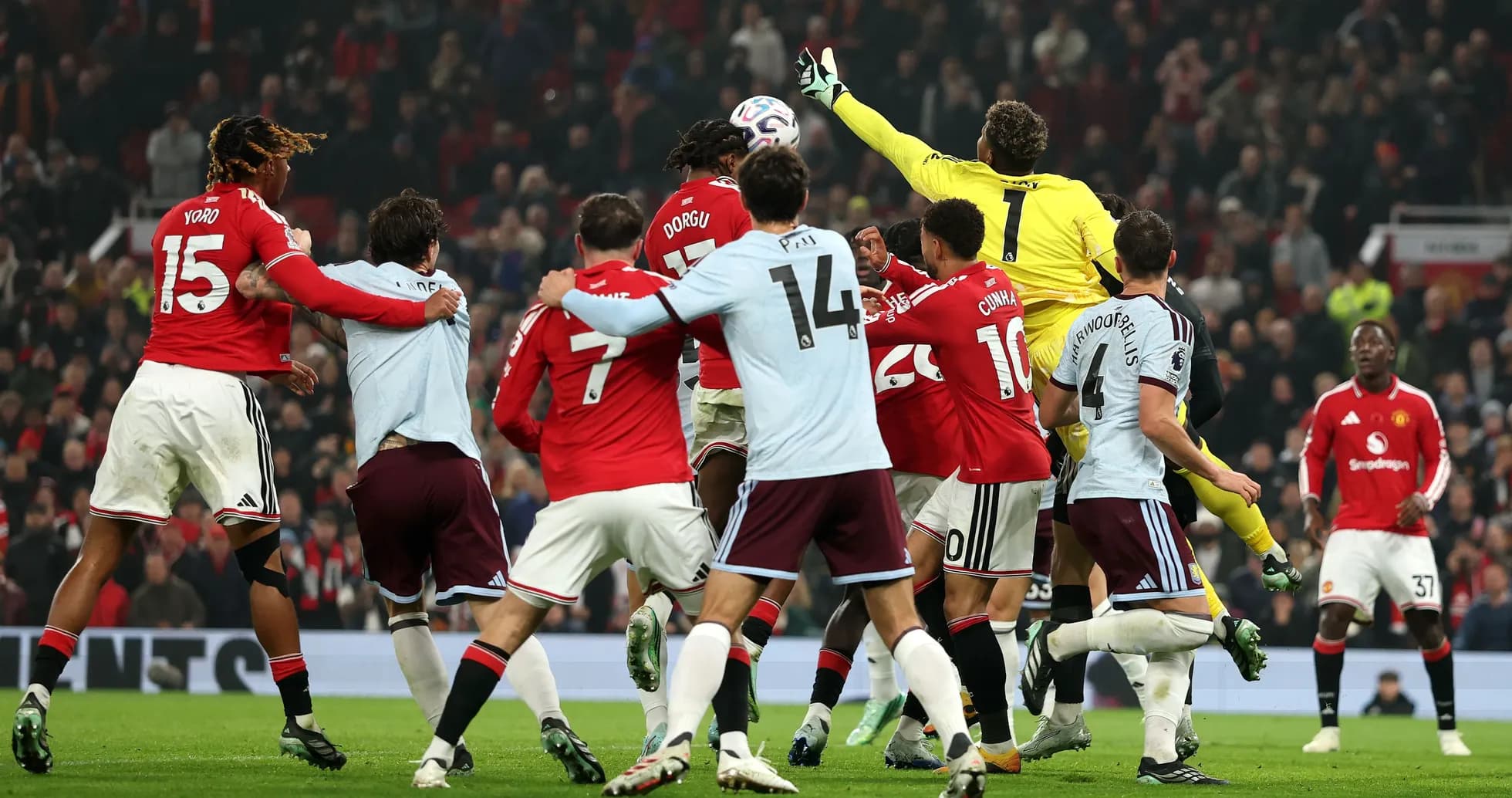
Joshua Zirkzee snatched a lifeline in the 92nd minute, setting nerves jangling. Deep into added time, a corner swung in, bodies flew everywhere, and Patrick Dorgu bundled the ball over the line. Pandemonium in the stands, fury in the six-yard box.
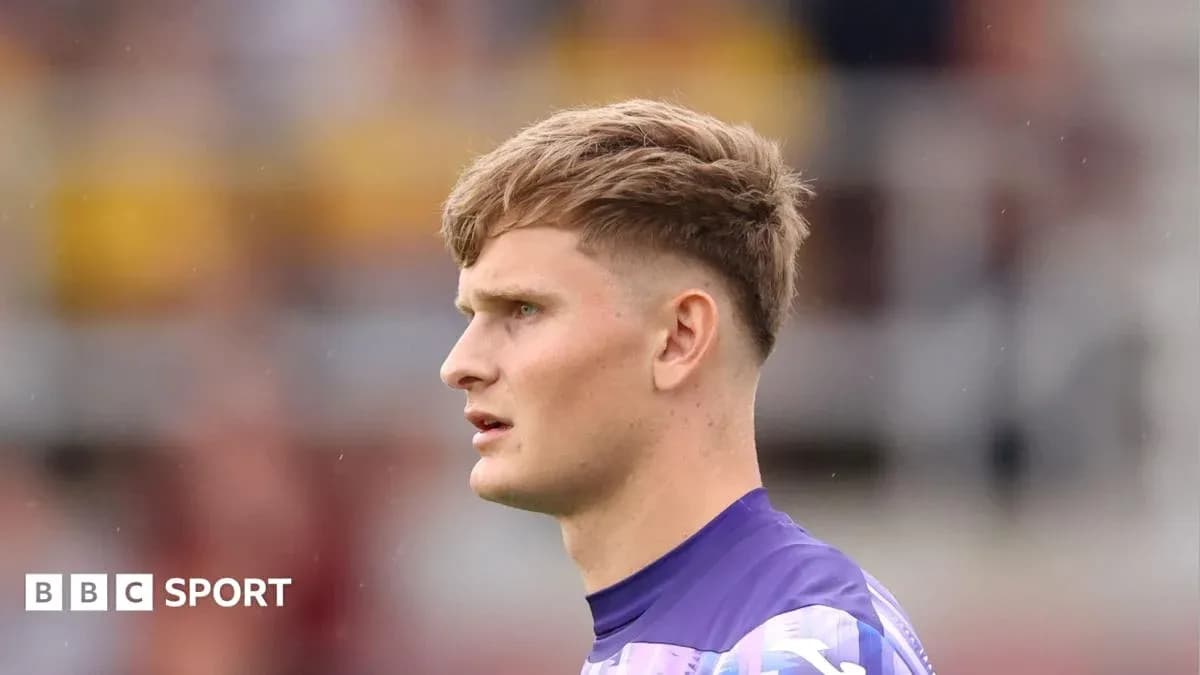
Zion Suzuki was engulfed – not by teammates, but by opponents and controversy. Villa players sprinted towards the referee, insisting Senne Lammens had deliberately blocked their goalkeeper, leaving him unable to claim the cross. The equaliser stood.
Keane’s hard line on Suzuki
Roy Keane did not waste time making his position clear.
On Sky Sports, the former Manchester United captain dismissed the idea Suzuki had been unfairly treated and instead turned the spotlight on the goalkeeper’s own decision-making.
"I don't think Suzuki gives himself the best chance of getting it, he's underneath it, just take a step back and attack it," Keane said. "There are bodies in the way, but there's lots going on, football is a contact sport. I have no problem with it."
He doubled down, placing responsibility squarely on the 21-year-old’s shoulders.
"I've said it before, a goalkeeper in this situation should take command of it. If he's talking about getting blocked and pushed, why doesn't he do that to the opposition players? He's got to come and be aggressive, take command of it, when the ball comes in he's on his heels and he's got to be more aggressive and take command of that six-yard box."
For Keane, this was not about refereeing leniency. It was about authority, presence, and a keeper who, in his view, failed to impose himself.
Vidagany hits back: ‘Rules are the rules’
Vidagany was having none of it.
Watching the debate unfold, Villa’s director of football operations took to X to challenge the narrative that this was simply “contact sport” and nothing more. His message was pointed – and aimed as much at officials as at Keane.
"To put in context this convenient narrative of 'contact sport' we've been told by referees during the summer that this season to go to unbalance or push the GK on purpose on the six-yard box was not going to be allowed anymore," he wrote.
From his perspective, this was not a grey area. It was a breach of clear pre-season guidance.
"Lammens not even look at the ball, went straight to do a contact with the hip over Zion. Having said that we played good Match and we must do better than last 6 minutes. We will do and we will improve. But the rules are the rules and must be respected. That is a fact."
The message carried two threads: accountability for Villa’s late-game collapse, yes, but also a demand for consistency from referees and a rejection of what he called a “convenient narrative” used to justify the challenge on Suzuki.
Emery turns to adaptation, not outrage
While the boardroom pushed back in public, Emery chose a different route. His frustration was obvious, but he framed the late goals as part of a wider education for his new goalkeeper.
"Angry? To accept the two late goals is difficult," he admitted. "It is a process and a good example. How we conceded this last goal, it is adaptation for Suzuki. They are pushing and disturbing him."
For Emery, this is not just about one decision. It is about the brutal reality of life in English penalty areas.
"Other countries, they do not permit it. Here, yes. We have to continue analysing and having experiences and trying to avoid situations like we conceded. Am I angry? We must accept that this is the process of adaptation."
He did not disguise the pain of letting a two-goal lead slip in stoppage time. But he also signalled that Suzuki must quickly learn the different threshold for contact in the Premier League, where keepers are rarely wrapped in the same protective bubble seen in some European leagues.
Set-pieces, psychology and the next test
The fallout from Old Trafford will linger.
On the training pitch, the focus will be brutal and specific: defensive set-pieces, organisation under pressure, and how a young goalkeeper commands his box when the opposition flood it with bodies. Villa cannot afford a repeat of those final six minutes.
Suzuki, meanwhile, has no hiding place. Opponents will have seen the chaos, noted the uncertainty, and will target him from corners and free-kicks until he proves he can handle it. This is the unforgiving cycle of elite football.
The debate between Keane’s old-school demand for aggression and Vidagany’s insistence on upholding the summer directives lays bare a wider question: where does the Premier League now draw the line between fair contact and deliberate obstruction of a goalkeeper?
Villa’s season might end up providing part of the answer.