2026 FIBA Women’s World Cup Semifinals Preview: France vs Germany, USA vs Spain
The giants have arrived on schedule. After four statement wins in the quarterfinals, the United States, France, Spain, and Germany have turned the 2026 FIBA Women’s World Cup into a final four that feels worthy of the stage. No passengers. No soft side of the bracket. Just two brutal semifinals in Berlin with a place in the final as the prize.
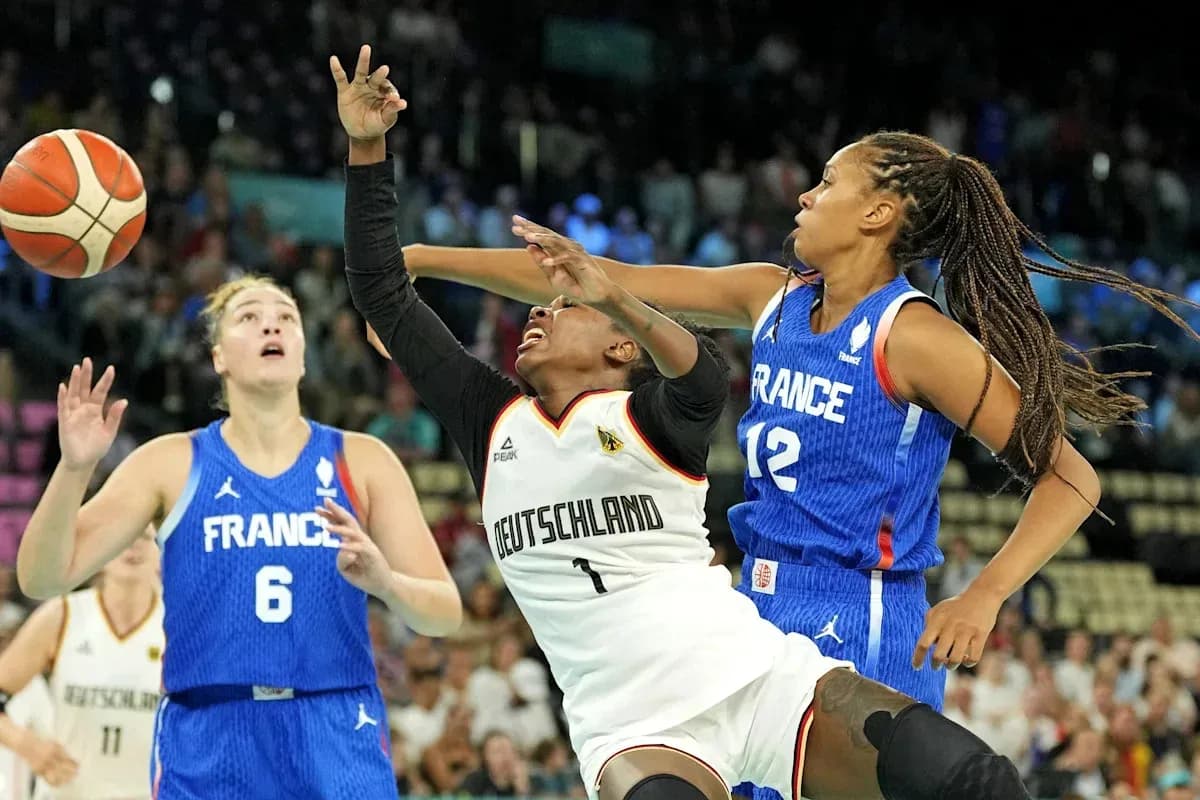
France vs Germany: Firepower Meets Home Noise
France have spent this tournament playing like a team with a score to settle. They haven’t just been winning; they’ve been overwhelming. A single-game three-point record already belongs to them, and their scoring margins have looked like something from a different tier of competition. Right now, they are the team everyone else is trying to catch.
The most dangerous part? It’s not just the starting five.
Marine Johannès keeps walking off the bench and tearing games open. She isn’t even in the opening lineup, yet she sits eighth in the tournament in scoring at 16.5 points per game and leads all players with 16 made threes. Every time she checks in, the tempo spikes, the spacing changes, and opponents scramble to find her on the perimeter. They rarely do it in time.
Alongside her, Gabby Williams has found another gear. A starter and emotional barometer for this French side, she has been playing some of her best basketball of the World Cup. When Williams is attacking, defending, and pushing in transition, France look relentless. If she sustains this level, they carry a clear, almost ruthless path toward the final.
Germany, though, are not here to be a prop in someone else’s story.
Berlin gives them something no other team in this final four can claim: true home-court advantage. The crowd will ride every call, every rebound, every whistle. Led by Marie Gülich, Germany have ridden that energy all the way into the semifinals. Gülich is averaging 11.8 points per game and has been the early spark in key stretches, the anchor that steadied them when games threatened to slip away.
As the tournament has gone on, Leonie Fiebich and Nyara Sabally have grown into the moment. Their quarterfinal against Belgium was a statement of its own. Fiebich posted 17 points and 10 rebounds, imposing herself at both ends. Sabally matched the tone with 16 points and 12 boards, a second double-double that gave Germany the interior edge they needed. That’s the formula: twin engines on the glass, scoring in traffic, and refusing to be moved.
If those two maintain that level, Germany have a puncher’s chance. The bench has offered timely support, but the depth simply doesn’t run as deep as France’s. That imbalance matters in a game where France can roll out wave after wave of contributors and never really drop their level.
So Germany must lean into something else: resistance. Defense. Physicality. They know what happens if they don’t—France beat them 84–71 in the quarterfinals of the 2024 Olympics. Another open shooting night for the French, and this semifinal could tilt the same way.
The path for the hosts is narrow but clear. They need to drag France into a grind, ride the Berlin crowd, and turn every French three into a contested, exhausting shot. If the home fans can lift Germany’s defensive intensity and disrupt France’s rhythm from deep, the upset door cracks open.
Still, France arrive with purpose. That painful loss to the USA at the 2024 Paris Olympics has been driving this run. They have kept the pressure high from the opening tip of the tournament and have shown no interest in easing off now.
Prediction: France advance. They simply have too much depth, too much shooting, and too much momentum—unless Germany can summon the defensive performance of their lives.
Spain vs United States: Style Clash on a Collision Course
Spain have played their way into this semifinal with control and confidence. They topped Group A, earned a bye, and then dismantled Australia 89–66 to book their ticket to the final four. It was a complete performance, led by a player who has quietly transformed her own game.
Megan DiLeo (née Gustafson) paced Spain with 16 points on 7-of-11 shooting in that quarterfinal. Her time with the Portland Fire in the WNBA has sharpened her edges and boosted her belief, and it shows. She has stepped up this season, and she has stepped up again on the World Cup stage.
Alongside her, Iyana Martín has emerged as one of the tournament’s most consistent scorers. She is averaging 16.5 points per game, seventh among all players. When Spain need a bucket, the ball often finds her hands. She has rewarded that trust.
Spain’s offense hums at 81.0 points per game. They move the ball, space the floor, and punish slow rotations. On most nights, that’s enough to overwhelm. This is not most nights.
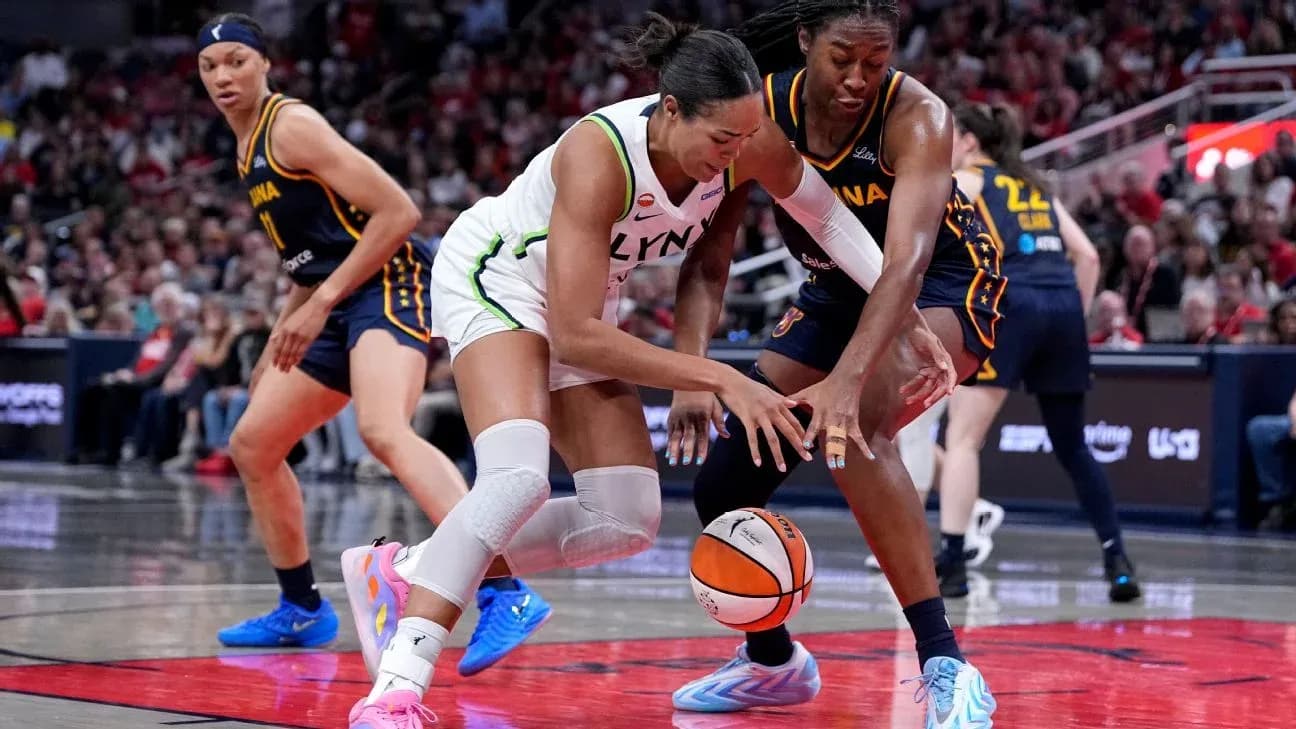
Across from them stands a United States team that has rediscovered its edge after a brief scare in the group stage against Italy. Since then, the Americans have reverted to type—overpowering, deep, and ruthless. Their 108–56 demolition of Hungary in the quarterfinals sent a clear message.
Napheesa Collier led that win with 19 points, a performance that fit perfectly with her steady excellence throughout the tournament. The former WNBA Defensive Player of the Year has been a constant: scoring, defending, rebounding, doing the quiet work that allows the stars around her to shine.
Rhyne Howard added 15 points and went 3-for-5 from three, stretching the floor and punishing every defensive lapse. And when the starters sit, the drop-off barely exists. The United States can bring former WNBA MVP candidates Caitlin Clark, Paige Bueckers, and Angel Reese off the bench. That is not just depth; it’s an arsenal.
Those three have delivered when called upon, whether as scorers, playmakers, or tone-setters on the glass. The result is a team that can come at opponents in waves, with different lineups, different looks, and the same suffocating standard.
Defensively, the numbers tell their own story. The United States have allowed just 58.3 points per game across their four contests. They control the boards as well, averaging 31.5 defensive rebounds per game compared to Spain’s 26.3. That gap matters. One shot for Spain instead of two or three. One transition chance the other way instead of an extended defensive stand.
Spain’s challenge is stark: keep their offense flowing against a defense built to choke off space, and somehow hold the Americans below their usual 90.5 points per game. If they don’t, the scoreboard will tilt quickly.
Spain have been impressive. They have weapons, they have cohesion, and they have earned their place here. But the United States carry something different into this stage—history, experience, and a proven ability to handle big moments without blinking.
Prediction: USA move on. Their blend of scoring, rebounding dominance, defense, and depth should be too much, even for a sharp and confident Spain.
The semifinals in Berlin now offer a tantalizing question: can anyone slow the American machine or derail France’s mission, or are we heading toward the final this tournament has been threatening to deliver from the start?