Ukraine's World Cup Aspirations with Poland: A Long-Term Vision
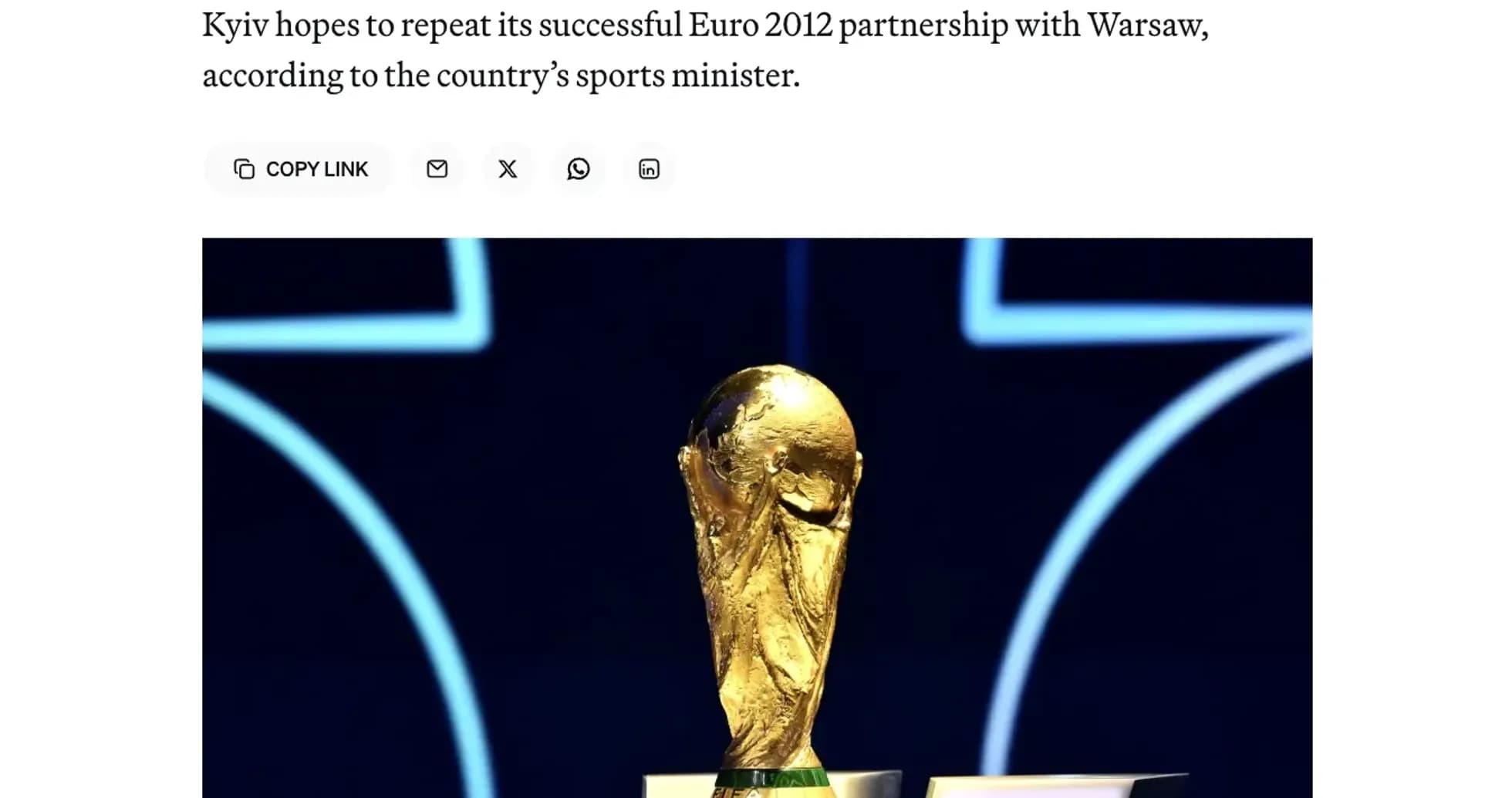
Ukraine has set its sights on the biggest stage in world football, sketching out the possibility of a joint World Cup bid with Poland sometime in the 2040s. For now, it is just that – a sketch, an idea, a line in a long-term plan rather than a concrete campaign.
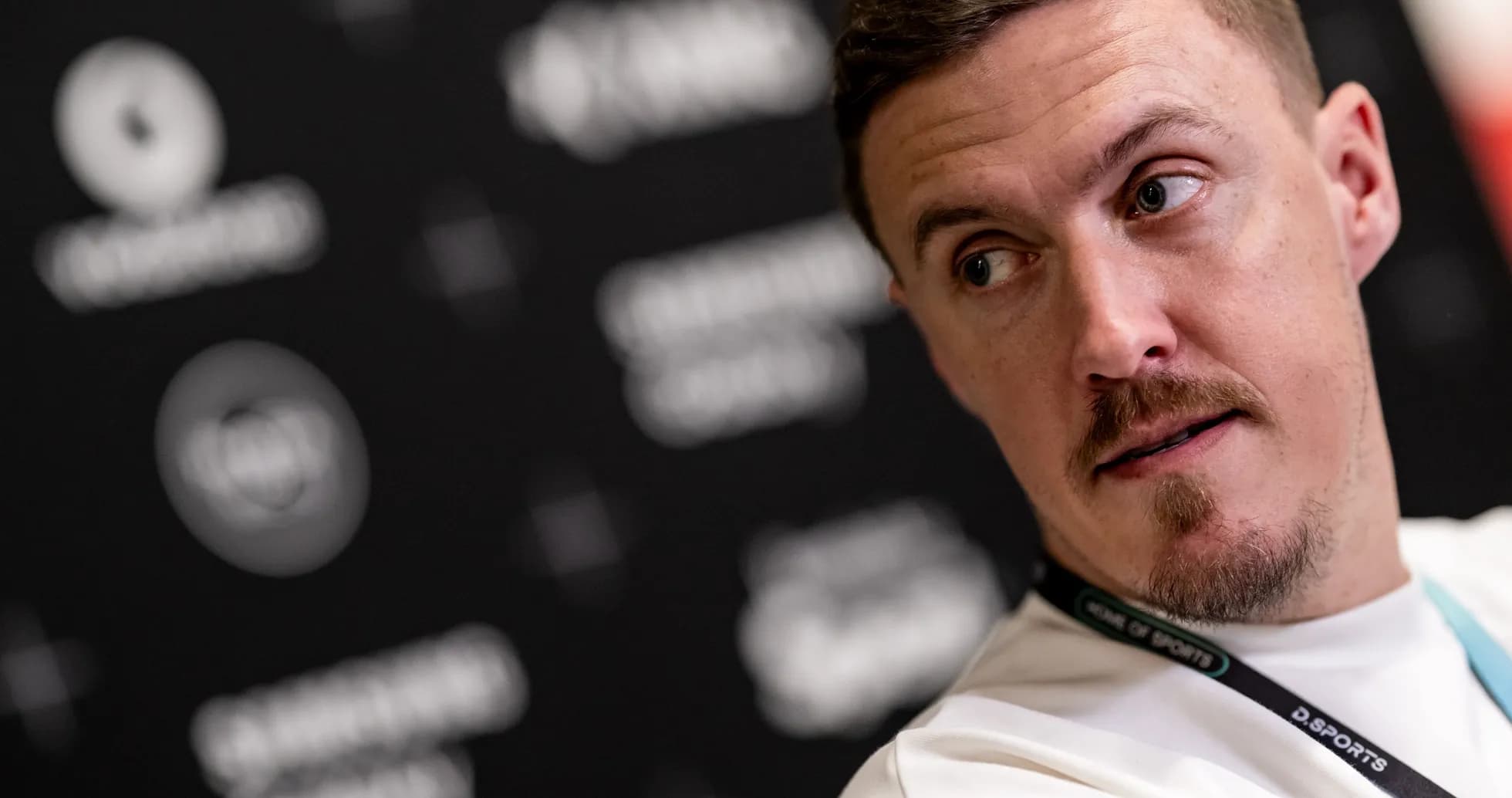
The prospect emerged through comments from Ukraine’s Minister of Youth and Sports, Matviy Bidnyy, in an interview with Politico. He framed the World Cup not as an immediate target, but as part of a generational project tied to the country’s reconstruction.
“The next available date for the World Cup is sometime in the 2040s. We need to start planning for that now,” Bidnyy said, underlining that Ukraine wants major international events woven into its long-range recovery.
For Bidnyy, this is not just about football. It is about identity.
Ukraine, he stressed, remains a nation that sees elite sport as a core element of its culture, even in the middle of war and upheaval. “We will work on this… We continue to be a country focused on the greatest sporting achievements. This is part of our national culture, and we want to develop it despite all these difficulties,” he noted.
The idea of teaming up with Poland, a proven tournament host and Ukraine’s long-time partner from Euro 2012, naturally drew attention. A joint World Cup would echo that collaboration on a far grander scale, stretching across borders and decades of planning.
But as the excitement flickered, the brakes went on.
Once the interview circulated, Ukraine’s Ministry of Youth and Sports moved quickly to cool any talk of an active bid. The ministry clarified that there are no official negotiations or consultations under way with Poland about a joint World Cup proposal. No formal talks. No submitted documents. No campaign structure.
There is also a clear condition from Bidnyy: any serious bid must come from within the game itself. The initiative, he underlined, has to originate from the sports community or the relevant football federation, not just from government ambition.
That distinction matters. It places the idea firmly in the realm of long-term vision rather than political announcement. A possible World Cup in the 2040s becomes part of a broader blueprint for rebuilding stadiums, infrastructure and international profile once the country is secure.
The ministry did not shy away from the current reality. It reiterated that Ukraine’s priorities remain unchanged: victory in the war and the safety of its citizens sit far above any sporting dream. Hosting a World Cup, it stressed, is a concept for the future, not an operational plan for today.
Global context only sharpens that point. FIFA has already locked in the hosts for the next two editions: Spain, Portugal and Morocco will share the 2030 World Cup, while Saudi Arabia will stage the 2034 tournament. The earliest realistic opening lies beyond that horizon, in the decade Bidnyy referenced.
So the timeline stretches. The war must end. Reconstruction must accelerate. The football federation would have to mobilize, and Poland would need to formally come to the table. Stadiums, transport, security, investment – all of it would stand between an idea voiced in an interview and a World Cup opening ceremony on Ukrainian soil.
For now, it is a statement of intent, not a bid. A reminder that even in a country fighting for survival, people are still thinking about the day when the world might come to watch football there again.