Tottenham Hotspur Stadium: The Last Brand-Free Arena
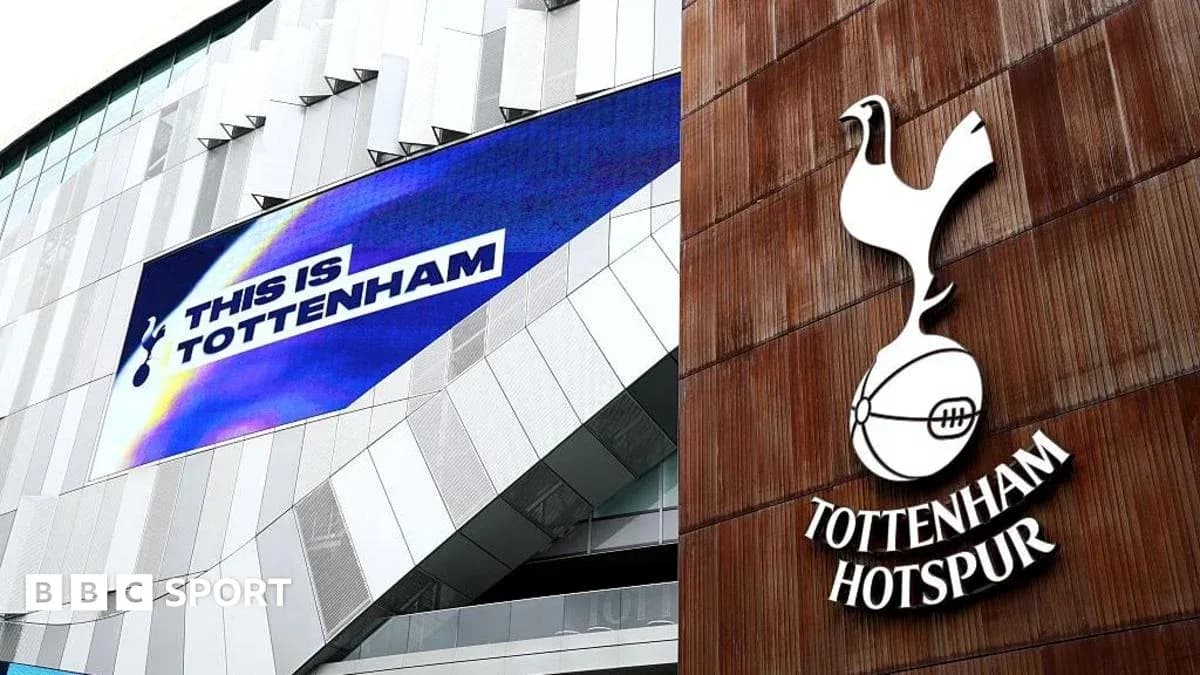
For five years now, the vast steel and glass bowl on Tottenham High Road has carried a starkly simple title: Tottenham Hotspur Stadium. No airline. No bank. No crypto firm bolted onto the front.
In an era when Premier League grounds are increasingly wrapped in corporate gloss, it stands out. Of the 20 clubs in this season’s top flight, eight play in stadiums that already carry a sponsor’s name. Arsenal at the Emirates Stadium. Manchester City at the Etihad Stadium. The commercial tide is clear.
When Spurs opened their new home in the closing months of the 2018-19 season, the expectation was that this plain working title would be temporary. A placeholder. A big-money naming-rights deal was thought to be just around the corner for what was billed as one of Europe’s most advanced arenas.
That corner has never quite been turned.
Seven years on from leaving White Hart Lane and settling into their new 62,000-seat home, the club still operates one of the country’s premier multi-use venues without a naming sponsor. The stadium has become a regular stop for major concerts and the NFL’s London games, a hub built as much for global events as for Saturday afternoons in the Premier League. Yet the name remains stubbornly unbranded.
Inside the club, there is no suggestion that the idea has been shelved. Tottenham insist the search for a partner is ongoing, but they are in no rush to accept the first cheque that lands on the table.
“Increasing our revenues through commercial partnerships is crucial for us to be able to remain competitive while staying in the boundaries of financial rules,” a club spokesperson told BBC Sport.
The message is blunt: naming rights are not a luxury; they are part of the financial engine Spurs need if they are to keep pace with the elite.
The club view a stadium sponsor as a “key part of the wider suite of opportunities available to potential partners”. This is not just about a logo on the roof or a name on the tickets. The rights to host up to 30 major non-football events per year, they argue, significantly “increases the value of a naming rights partnership”. Every extra concert, every NFL weekend, every showpiece event feeds into the pitch they are making to would-be backers.
The competition, though, is fierce. Tottenham know they are operating in what they describe as “a highly competitive industry alongside a number of clubs with similar ambitions”. The Premier League’s top end is now a marketplace of global brands, each vying for the same pool of blue-chip sponsors.
That reality has sharpened Spurs’ stance. They insist they “will only look to partner with the most-respected, renowned brands that align to our club values and can bring something to our fan experience”. Translation: they are prepared to wait rather than sell the naming rights at a discount or attach themselves to a partner that jars with the club’s image.
While the headline deal remains elusive, Tottenham have moved to broaden their commercial strategy inside the stadium. They have launched “The Collective” – a new sponsorship programme designed to deliver bespoke activations in every stand. Sports Illustrated has become the first partner to sign up, a notable name in a project that carves the stadium into more targeted, premium spaces for brands.
It is a sign of how the club now think about their home: not just as a football ground, but as a layered commercial platform, each tier and concourse carrying its own potential.
The big question hangs over the roofline, though. How long will Tottenham Hotspur Stadium remain the rare, sponsor-free monolith in a league obsessed with naming rights – and when the deal finally comes, what price will they have made the wait worth?