Shakhtar's Tactical Brilliance Shines in Eindhoven
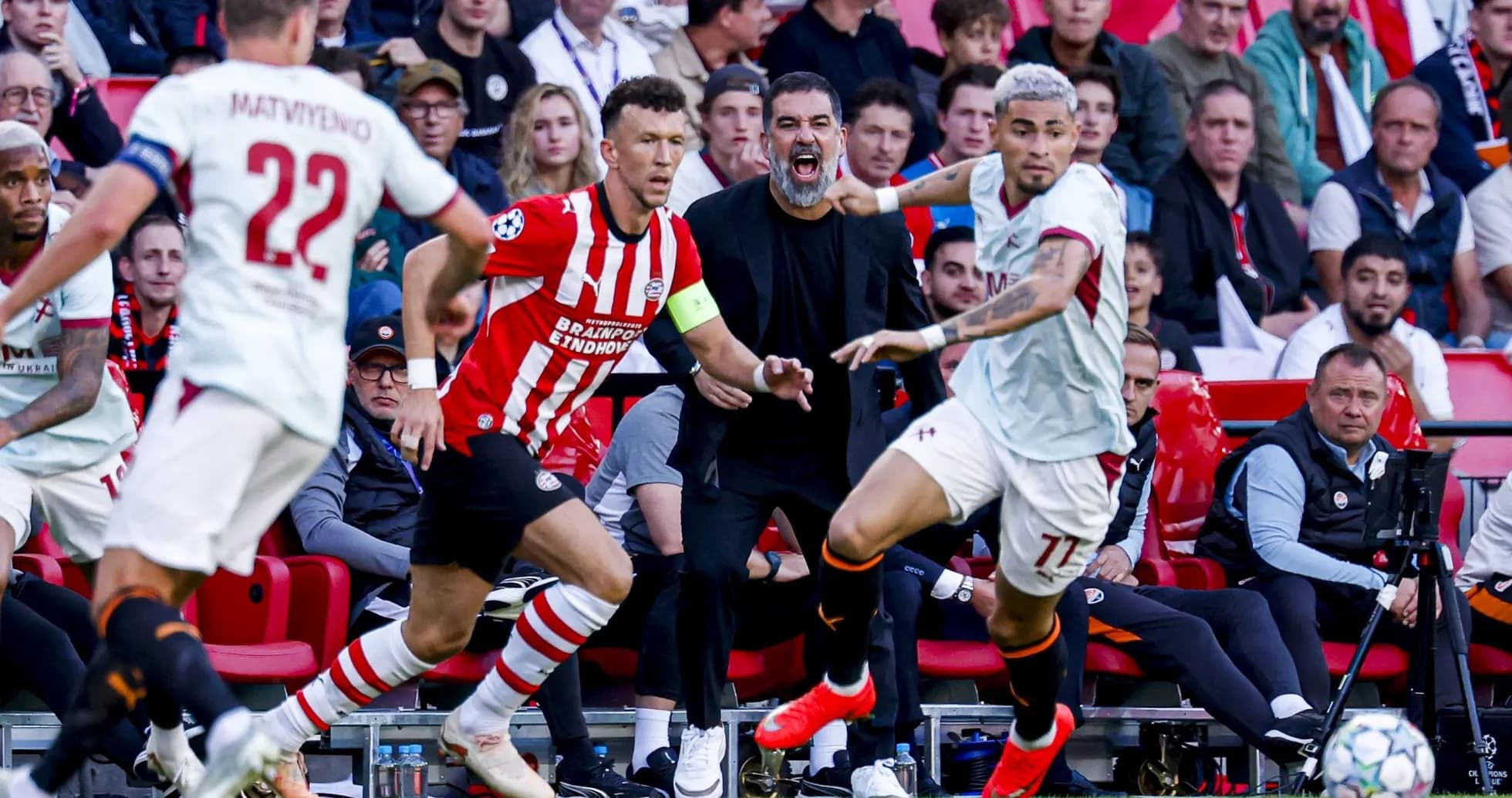
Shakhtar Donetsk walked into the Philips Stadion braced for a storm and left with something far more valuable than a 1-1 draw. They left with proof that their football, their way, can survive on Europe’s biggest stage.
Up against PSV Eindhoven’s ferocious press and a crowd that expected a routine home win, Shakhtar did not just hang on. They led, they suffered, and they bent the game to their own ideas.
Turan refuses to imitate PSV
Arda Turan had warned his players before a ball was kicked: do not try to be PSV. Do not get dragged into a sprint you cannot win.
“I told them: if we play like PSV, we will not win,” he said afterwards. It was the core of his plan. Shakhtar would not mirror the Dutch champions’ one-on-one pressing. They would outthink it.
Turan drilled his side on the details that decide Champions League nights: angles, body shape, diagonal runs. When PSV jumped to press, Shakhtar sought to step around the first line, not straight through it. Midfielders opened their hips to receive on the half-turn, full-backs darted infield, and the centre-backs trusted themselves to play.
This was not romantic talk of “bravery” with no substance. It was bravery built on repetition and clarity. PSV came in waves; Shakhtar tried to draw them in, then slide passes into the gaps that opened between the lines.
The reward arrived right on the brink of half-time.
Mendoza announces himself in style
On his Champions League debut, Gleiker Mendoza produced the kind of moment that can reshape a career. Slipping into the half-space exactly where Turan had demanded, the Venezuelan found room between PSV’s defensive lines, opened his body and bent a stunning curling finish beyond the goalkeeper in first-half stoppage time.
“I can’t put my emotions into words,” he admitted later, still processing the impact of that strike. He did not forget the tactical roots of it either. “Mister always emphasises that we should attack the half-spaces between the lines.”
The goal was not an accident. It was the clearest expression of Turan’s blueprint: invite the press, find the pockets, punish the risk.
PSV, stung and suddenly chasing the game, came out after the break with a predictable fury. The equaliser arrived soon after the restart, Sergiño Dest levelling for the hosts and snapping the stadium back to life.
At that point, many visiting sides crumble. Shakhtar did not.
Under siege, but unbroken
The final stages felt like a test of nerve as much as talent. PSV pushed higher, attacked wider, and threw numbers into the box. Shakhtar’s defensive line sank deep but did not fold. Blocks, clearances, tackles on the edge – the kind of work that never makes a highlight reel but decides whether a point survives.
Turan watched his team withstand the late onslaught with the calm of someone who has seen real crisis before. For him, resilience is not a buzzword. It is lived experience.
He spoke quietly but firmly about 19-year-old midfielder Isaque, another Champions League debutant, and a night that shaped their bond long before Eindhoven.
“When I think about Isaque, I remember a photograph on my phone,” Turan said. “It was taken on the night when we were being bombed and I covered him with a blanket in the hotel lobby. I told him he has to be ready for the fight.”
That story hung over everything Shakhtar did in the Netherlands. A team that has literally sheltered together under bombardment is unlikely to be intimidated by a high press or a hostile crowd.
A point that feels like a statement
For Shakhtar, this 1-1 draw is more than a useful away point to open a UEFA Champions League campaign. It is validation. Their coach refused to copy one of Europe’s most aggressive pressing machines and still walked out level.
Mendoza’s debut goal, Isaque’s first steps on this stage, the collective defiance under late pressure – all of it feeds into a growing sense that this side is learning fast, and learning the hard way.
“The most important thing is that we continue at this pace and keep picking up points,” Mendoza said, already looking ahead.
If Shakhtar can marry this tactical clarity with the steel forged in far harsher circumstances than a European away day, how many more giants will find them a far tougher opponent than the fixture list suggests?