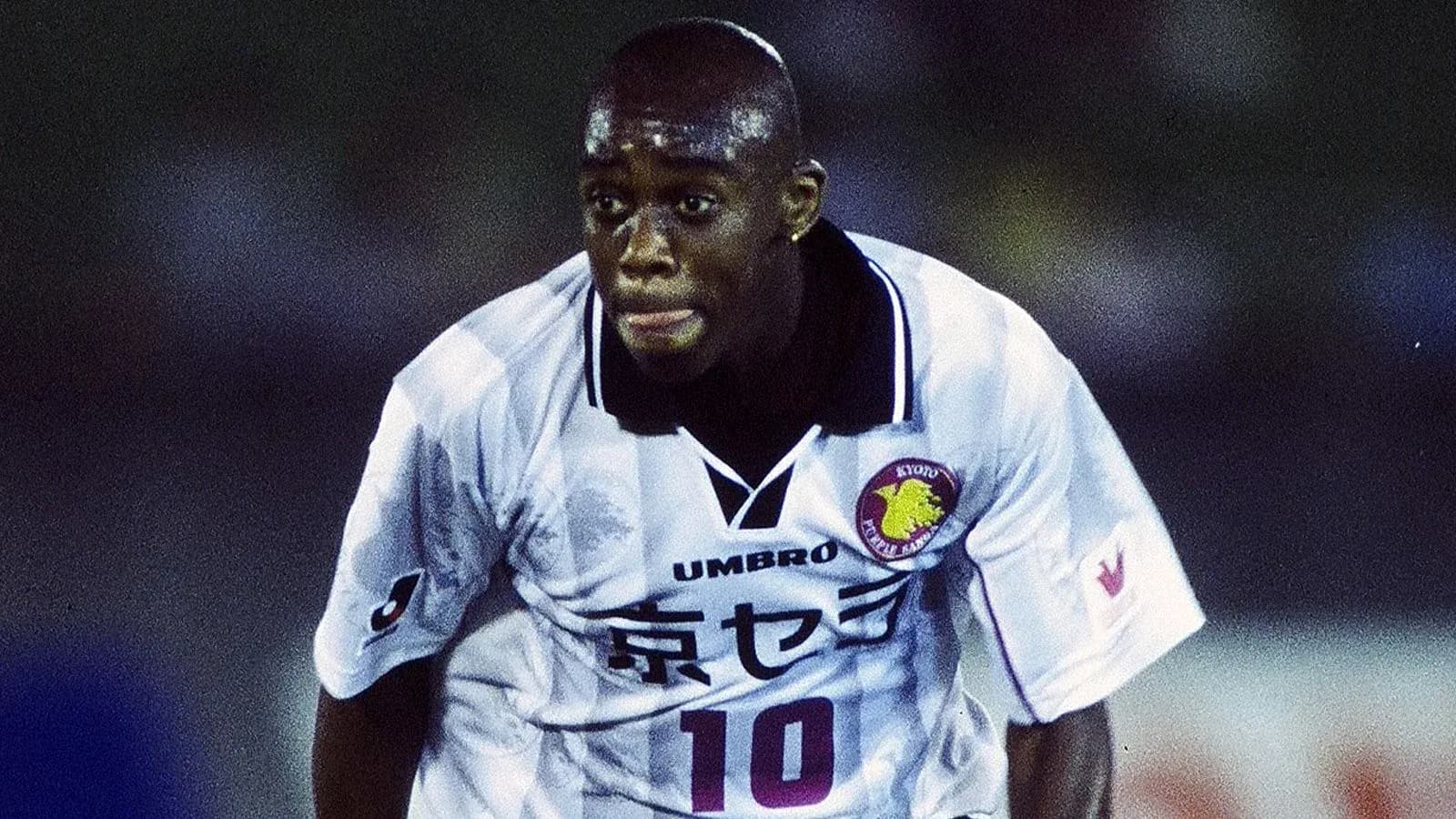
The Fall of Regis: From Footballer to Homelessness
Once a familiar figure in Brazilian football, Regis now sleeps under tarpaulins and cardboard in a small, filthy square in Pirituba, on the northern edge of Sao Paulo. The man who once wore the shirts of Ponte Preta, Corinthians, and Vasco now lives among rubble and accumulated waste, his life stripped back to survival.
He is 49. The goals, the stadium lights, the dressing-room noise – all of it feels a world away from the alleyways where he now drifts. Crack cocaine has done the rest. It has taken his home, corroded his relationships, and left him almost completely cut off from family and friends.
Speaking to Globo Esporte journalist Emilio Botta, Regis did not try to soften the reality. He laid his despair bare in one brutal line: “It's better if they think I'm dead... I don't want anyone to know I exist.” That is where his story has landed – a former professional forward wishing to disappear.
The alarm over his condition did not come from old top-flight colleagues or club officials, but from former team-mates at an amateur side who noticed his health spiralling. They saw a man wasting away, and raised the first serious concerns.
His battle with drugs did not begin on the streets. It followed him through his playing days. Twice he tested positive for cannabis in routine anti-doping controls, early warnings of a dependency that would only tighten its grip once the structure of professional football fell away.
Career Overview
On the pitch, Regis built a nomadic career. He scored 49 goals in 170 competitive matches, moving through clubs such as Coritiba, Bahia, and Portuguesa, and taking his game abroad to Japan, Turkey, and Saudi Arabia. He was never a superstar, but he was a reliable presence, a forward trusted enough to find work across continents.
When the boots went away, the habits did not. Without training schedules, team rules, and club discipline, illicit drugs gradually overran his personal life. Each year chipped away at his stability. Each mistake pushed him further from the world that once paid his wages.
Legal trouble then dragged him even lower. In 2025 he was arrested for assaulting a building manager, an incident that led to him being forced out of his own apartment. Losing that final piece of security tipped him onto the streets for good.
Now, Regis lives in the shadows of a city that once celebrated his goals, a stark reminder of how far and how fast a footballer’s life can fall when the game stops and the support structures vanish.