Real Madrid's Midfield Gamble: Zubimendi After Rodri
Real Madrid are discovering what it means to pass on a generational controller. They let Rodri slip away, and every big game now reminds them of the price.
The defeat to Inter Milan stripped the issue bare. José Mourinho’s Madrid can run, they can counter, they can break lines in a flash. What they cannot do is take a match by the throat and keep it there.
Without a midfielder of Rodri’s profile, the team lives off chaos.
A midfield built for transition, not control
Sport highlighted the problem bluntly: Mourinho’s side do not impose themselves. They lean on quick transitions, banking on the individual brilliance of Vinícius, Mbappé and Bellingham to finish moves in the final third.
When it works, it looks devastating. When it doesn’t, the flaws roar into view.
Opponents recover the ball too easily, then turn those regains into waves of pressure and clear chances. Against Inter, only Thibaut Courtois stood between Madrid and a far heavier defeat. The pattern is familiar: Madrid break, lose the second ball, then scramble back.
All of it traces back to a decision. Faced with the chance to sign Rodri, Madrid chose a different route. They went after a more attack-minded profile in Bernardo Silva, a player Barcelona turned down. The result? They still lean on Tchouaméni, Valverde and Camavinga to construct play, even though none of them offers Rodri’s blend of calm, positioning and distribution.
They are elite players, but not that type of elite.
So the team’s build-up remains an unfinished project. Madrid can reach the final third in bursts, but they struggle to knit together sustained, controlled pressure.
Patchwork solutions, one missing piece
There are ideas on the table. Arda Güler can drop in to help progress the ball. Trent Alexander-Arnold, if used in midfield, can offer range of passing and creativity from deep. Both are intriguing, both are talented.
Neither solves the core issue.
None of these options replicates what Rodri brings: tempo, security in tight spaces, the ability to dictate where and how the game is played. That is why the club has already started planning around the winter transfer window, searching for a specialist rather than another makeshift fix.
One name sits at the top of that list. It is not new, but the context around it has changed: Martín Zubimendi.
Zubimendi’s shrinking role at Arsenal
Real Madrid chased Zubimendi in the summer. They are watching him again now, this time with a different sense of opportunity.
In England, the predictions have already started. His status at Arsenal has dipped. The Spaniard has begun all five of the Gunners’ official matches this season on the bench, a stark shift for a player signed to anchor the midfield.
The clearest warning sign came in the Champions League clash with Napoli at the Diego Armando Maradona Stadium. On a night that demanded control and composure, Zubimendi spent almost the entire game watching from the touchline. He played just eight minutes.
This is not a sudden slump. His struggle for minutes stretches back to the end of last season. In the Champions League final against Paris Saint-Germain, he did not feature in the 90 minutes of regulation time, only entering in extra time.
When he plays, he delivers. That has been the constant thread of his career. Even so, Mikel Arteta continues to prefer other options in his role, a situation that can only start to weigh on the confidence and patience of the former Real Sociedad midfielder.
Spain form keeps Madrid interested
Real Madrid’s admiration for Zubimendi has not wavered. If anything, his performances for Spain have sharpened the interest.
When Rodri suffered a serious injury, Zubimendi stepped into the national team’s midfield and ran it. No fuss, no drama, just authority. He did it in high-pressure moments too: the second half of the Euro 2024 final, extra time of the 2026 World Cup final. On the biggest stages, he showed he can handle responsibility and rhythm.
This is exactly the profile Madrid lack. A midfielder who can sit at the base, read the game, and give structure to a side stacked with attacking talent.
The numbers and the market
Arsenal paid 70 million euros to sign Zubimendi last season and tied him down until 2030. That fee set his bracket. His current market value should sit in a similar range, a figure that would allow Arsenal to recoup their investment without taking a loss.
For Real Madrid, that number is not prohibitive. Not for a player they view as a long-term anchor in a position that has become their most glaring weakness.
Chelsea lurking, Alonso’s long-standing interest
Zubimendi will not be short of offers if Arsenal open the door. Chelsea are already circling under Xabi Alonso, a coach who knows the value of a true holding midfielder better than most.
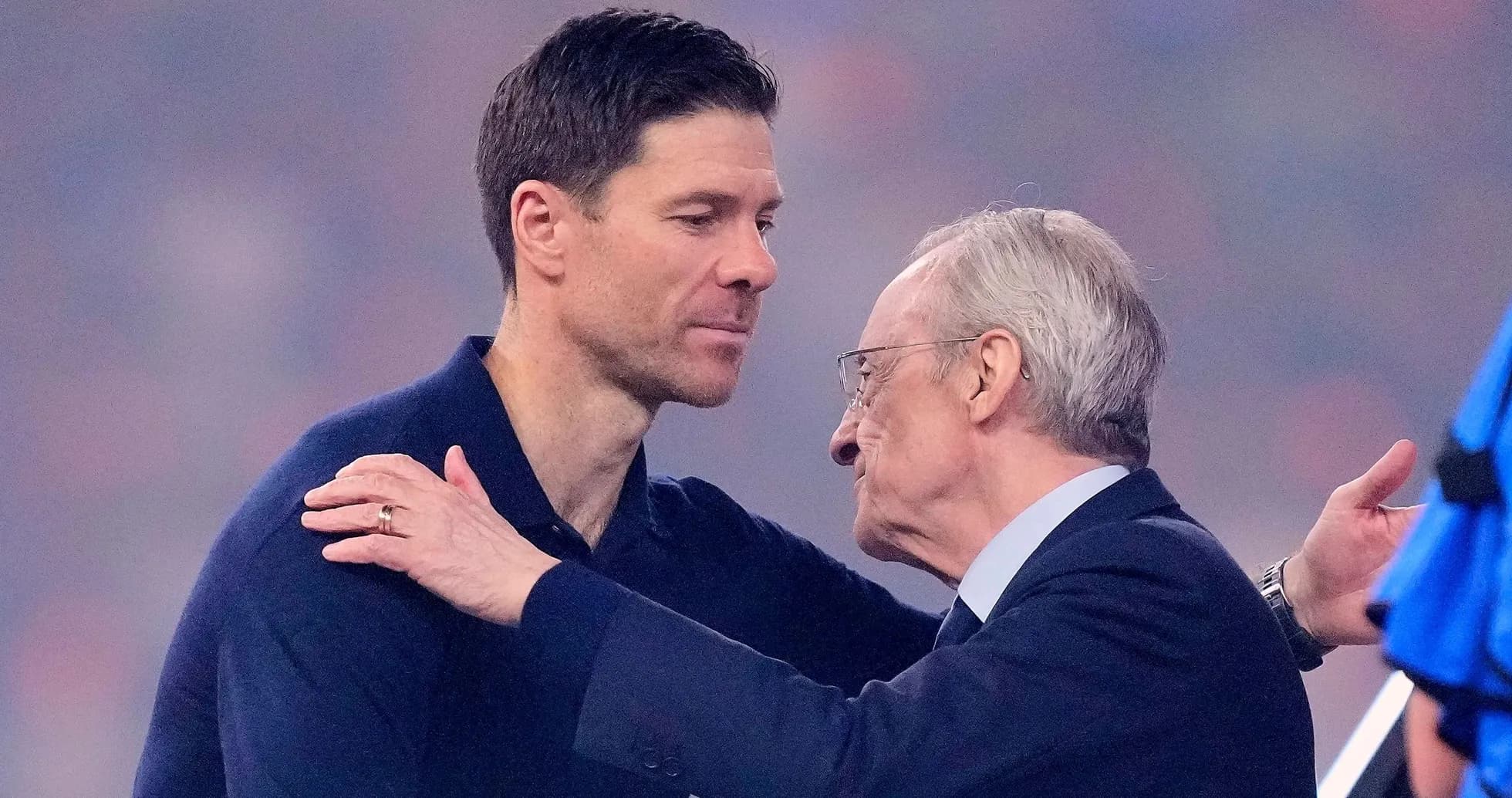
Alonso wanted Zubimendi when his own name was in the frame at Real Madrid. Florentino Pérez chose not to move for him then. Now the same player, the same profile, is back on the table — but with more competition and a clearer spotlight on his qualities.
Madrid’s midfield issue is no longer theoretical. Inter exposed it. Europe has noticed it. The question now is whether Pérez and Mourinho move decisively for Zubimendi in winter, or whether the club keeps paying for the decision not to go all-in on Rodri in the first place.