Real Madrid Defends Against Flag Ban Rumors
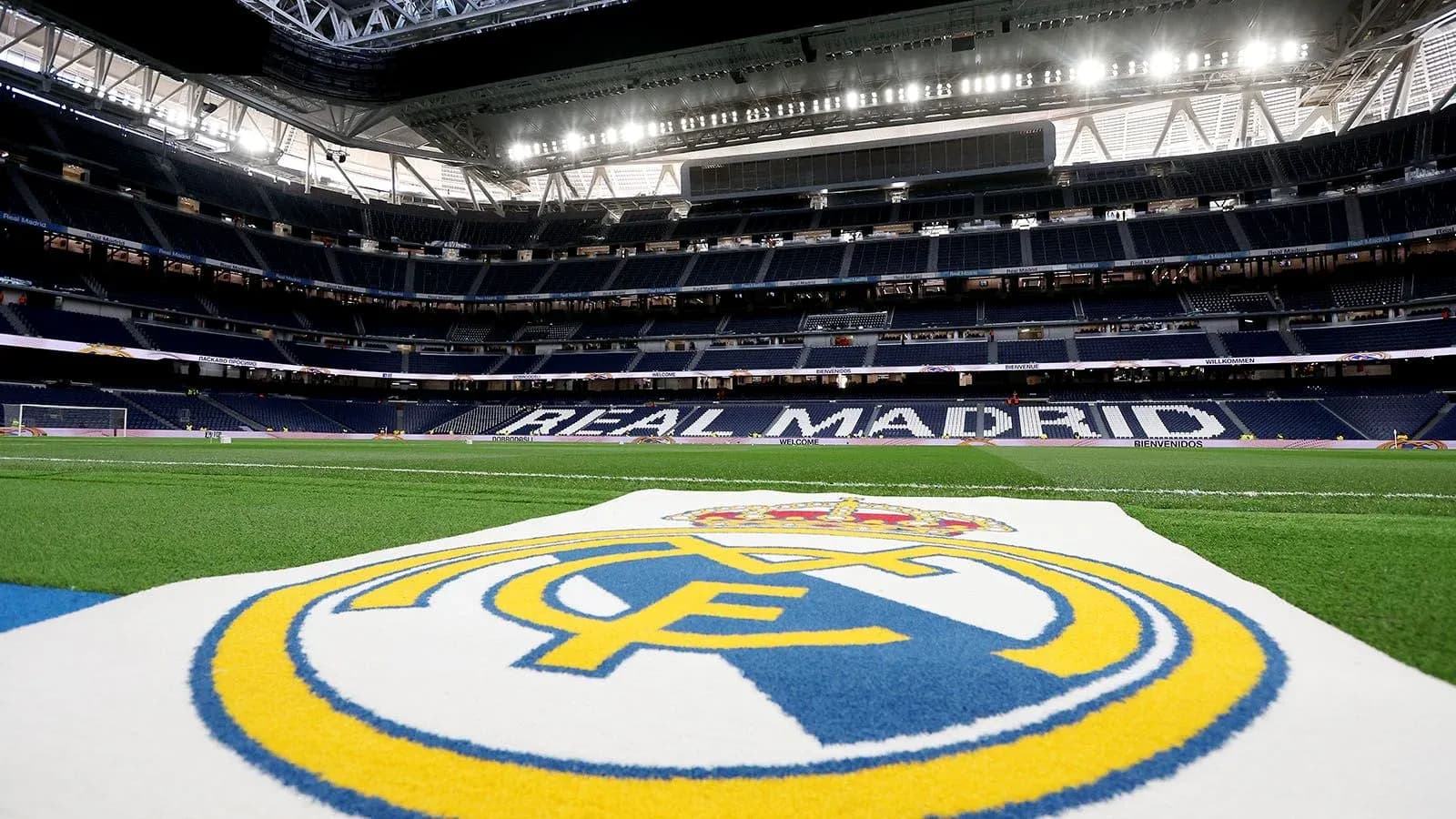
Real Madrid move fast when they feel their image is under attack. On Monday night, the club went public to knock down a story that had been gathering pace: that Spanish flags were being banned from the Santiago Bernabéu.
The response was blunt. And deliberate.
Madrid go on the offensive
With rumours spreading across social media and seeping into traditional outlets, the hierarchy at the Bernabéu decided they had seen enough. A Comunicado Oficial appeared on the club’s channels, aimed squarely at what they called “misinformation” about their entry policies.
The concern was obvious. This was no minor administrative quibble, but a narrative that risked turning sections of the fanbase against the club just as the domestic season settles into rhythm. Anything that hints at a break between Real Madrid and its supporters, particularly on something as symbolic as the national flag, is treated as a serious threat.
So the club chose strong language.
The claims were described as “entirely baseless.” No softening, no half-measures. The message: there is no ban, there never was a ban, and the Bernabéu remains a place where Spanish identity and regional pride can be displayed without fear.
No ban on Spanish or regional flags
The statement left little room for interpretation. Real Madrid insisted it is “categorically false” that the club has issued any instruction to prohibit the entry of Spanish flags into the stadium. The same goes for flags from any of Spain’s autonomous communities or cities.
That clarification matters. The Bernabéu is routinely draped in colours from across the country, not just the red and yellow of the national flag but the symbols of regions and cities that have long fed Madrid’s support. The club wanted to protect that image of plurality and national reach.
Real Madrid underlined that all “official flags of our country” have always been allowed into the stadium “without any restriction.” The only filters, they stressed, are those required by law.
Security rules, not politics
Inside the statement sat another key point: the club says it does not set its security protocols on a whim. Its regulations, it argued, are aligned with Spanish legislation governing public events and sporting spectacles.
In other words, the checks at the turnstiles are about safety, not ideology.
The club maintained that it has never tried to push beyond those legal boundaries to limit fan expression. Security screenings will continue, but Real Madrid insist they are not designed to target national or regional symbols, only to ensure that what comes into the stadium meets official and legal criteria.
No “extraordinary” measures are in place, the institution added, just the standard safety procedures required under Spanish law.
Closing the controversy, protecting the Bernabéu
By going public, Real Madrid are trying to slam the door on a controversy they clearly believe has run too far. The Bernabéu’s atmosphere is a point of pride for the club, a central piece of its identity. Any suggestion that the stands are being policed against Spanish or regional flags cuts against that image.
The message to Madridistas was clear: bring your colours, bring your flags, bring your identity. The stadium, the club insist, remains open and inclusive.
With the team fighting on multiple fronts and the season still taking shape, the board is determined not to let administrative or political noise intrude on the hunt for trophies or erode the bond with its supporters.
Real Madrid have drawn their line. The flags stay. The debate, as far as the club is concerned, does not.