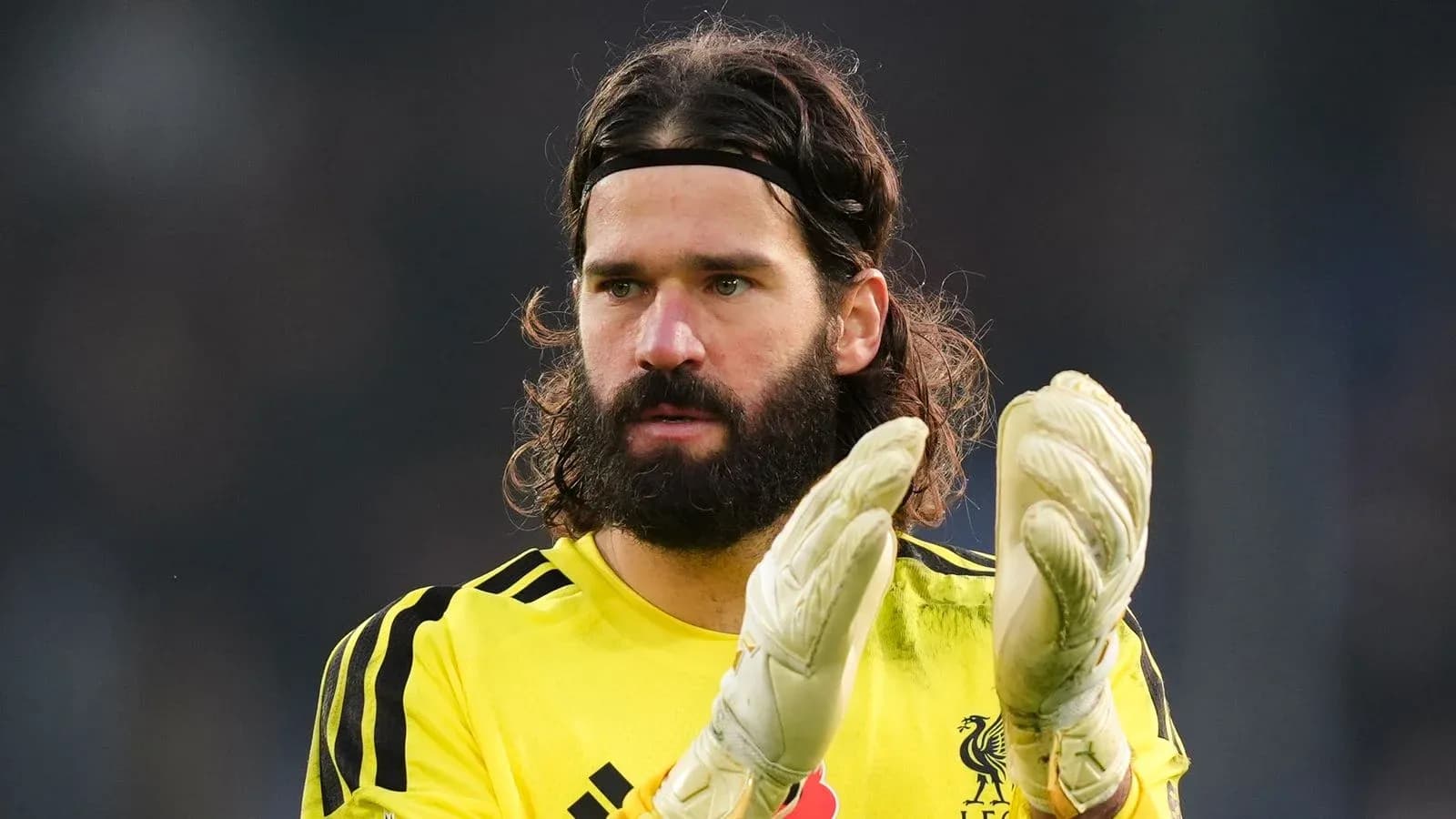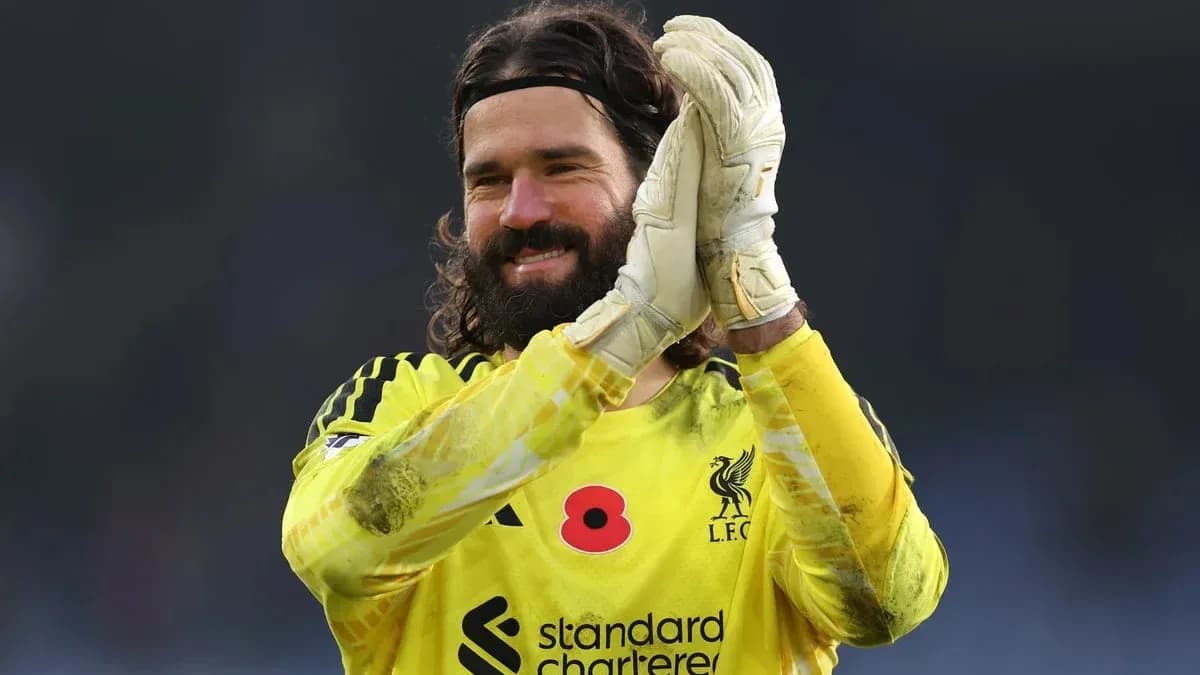
Pedro Neto's Transformation at Chelsea: From Expendable to Essential
Ten years on from Victor Moses tearing down the right flank in Antonio Conte’s 3-4-3, Chelsea have found their latest unlikely force of nature at wing-back. Different era, different coach, different owner – same trick. This time, it’s Pedro Neto.
On Saturday at Everton’s Hill Dickinson Stadium, the 26-year-old walked off with the match ball and the storyline. Two goals from right wing-back in a 2-0 win, the sort of performance that makes a club quietly grateful the transfer window is shut.
Because this could easily have gone another way.
From expendable to essential
Across the summer, Chelsea did not treat Neto as sacred. The price tag, around £100m, was sky-high, but that was as much protection as proclamation. They knew he was restless.
The Portuguese had been bruised by the churn on the touchline. Enzo Maresca, a coach he trusted and connected with, left on New Year’s Day. Liam Rosenior arrived and was gone in less than four months. Chelsea limped to 10th, and the dressing room felt the drag of another season lost.
Around him, the club tried to draw a line in the sand. Cole Palmer, Joao Pedro, Reece James, Moises Caicedo – all signed new deals, all sold on a revised vision that married experience to the young core already assembled. When Xabi Alonso walked through the door, the mood shifted again. There was intrigue, there was buy-in.
But there was also a question: would Neto really want to be a wing-back?
The uncertainty lingered until the final days of the window. Then the picture sharpened. Neto stayed, thrived, and last month he committed fully, signing a new contract through to 2032. From possible sale to long-term pillar in a matter of weeks. Alonso hadn’t just convinced him to stay; he’d convinced him to change.
A winger re-wired
Neto did not arrive at Stamford Bridge with the reputation of a ruthless finisher. Chelsea paid Wolves £54m in 2024 for a wide attacker who excited, who dribbled, who created – but who rarely killed.
At Molineux, he delivered 14 goals and 27 assists in 135 appearances. Entertaining numbers, not devastating ones. His early Chelsea spell nudged that output but never truly redefined it: 19 goals and 19 assists in 103 games before Alonso.
Then the role changed. So did the numbers.
This season, deployed primarily as a right wing-back, Neto has four goals and one assist in nine appearances, three of those from the bench. His strike-rate has more than doubled. The position on the teamsheet has moved backwards; his influence has surged forwards.
The data tells the story of a player who has not been shackled by defensive duties but sharpened by them. Neto is now averaging 5.3 touches in the opposition box per 90 minutes in the Premier League, up from 3.6 last season. He is dribbling slightly more often – 1.8 successful dribbles per 90 compared to 1.6 – but, crucially, more efficiently, with his success rate leaping from 43.5% to 52.6%.
Chance creation has risen too. From 1.8 chances per 90 to 2.0, with open-play chances created climbing from 1.5 to 1.8. He is still the winger who wants to beat his man and slide passes between centre-backs. He just starts a little deeper now.
And when Chelsea don’t have the ball, he is no passenger. His tackles have almost tripled, from 0.7 to 2.0 per 90. Possessions won have climbed from 2.9 to 3.9. Those are not the numbers of a reluctant defender. Those are the numbers of a player who has accepted the grind.
Built for the run both ways
Neto’s engine has always been his secret weapon. He has spoken before about growing up in a family of roller-hockey players, how that shaped his balance and power. You see it now in the way he covers the right flank alone, the way he can explode into the box and still have the legs to track back.
Chelsea saw a glimpse of that dual threat at their highest recent peak, the 3-0 win over Paris St-Germain in the 2025 Club World Cup final. On that night, Neto effectively man-marked Achraf Hakimi, one of the most dangerous right-backs in world football, and still found moments to drive forward. It felt like a one-off tactical job at the time. In hindsight, it looks like a blueprint.
Alonso has leaned into it. His system is asymmetric: the left wing-back, usually Jorrel Hato or Pep Chavarria, is not asked to mirror Neto’s attacking chaos. That flank offers balance and security. Neto’s side is licensed to raid.
“You can call him whatever you want,” Alonso said after the win at Everton. “Winger, wing-back, attacking player, defensive player. He can do many things. Today he did well. He is very competitive and whenever he is close to the action he is a threat against any full-back.”
That is the essence of this reinvention. Neto has not been turned into a defender. He has been turned into an all-phase problem.
The joker who got serious
Inside the dressing room, Neto is known as one of the jokers, a live wire in a squad that has often felt too young and too quiet. That side of him surfaced again after Chelsea’s wild 6-3 Carabao Cup win over Leeds, when he scored and then faced an old friend with a microphone.
His former Wolves captain Conor Coady, working as a pundit for Sky Sports, teased him: “When have you ever been worried about conceding goals?”
“Now I am a wing-back, lad,” came the instant reply, triggering laughter from both.
Then Neto added the line that really matters to Alonso: “In my head, I always have to run back and help my defenders as well.”
That is the shift. The talent was always there – the dribbling, the acceleration, the eye for a pass. Unlike Moses under Conte, Neto has not had to rebuild his game from scratch. The move from winger to right wing-back has amplified what he already had rather than replaced it.
The difference now is that Chelsea are finally cashing in on the full package: the attacker who defends, the defender who attacks, the £100m asset they almost considered expendable.
If this is what he looks like a month after signing until 2032, what does the finished version of Pedro Neto at wing-back do to the rest of the Premier League?