Matias Fernandez-Pardo: A New Era for Newcastle United
Matias Fernandez-Pardo did not just slip quietly into Newcastle United. He arrived as the full stop on a summer that tore up the club’s recent script and started a new one.
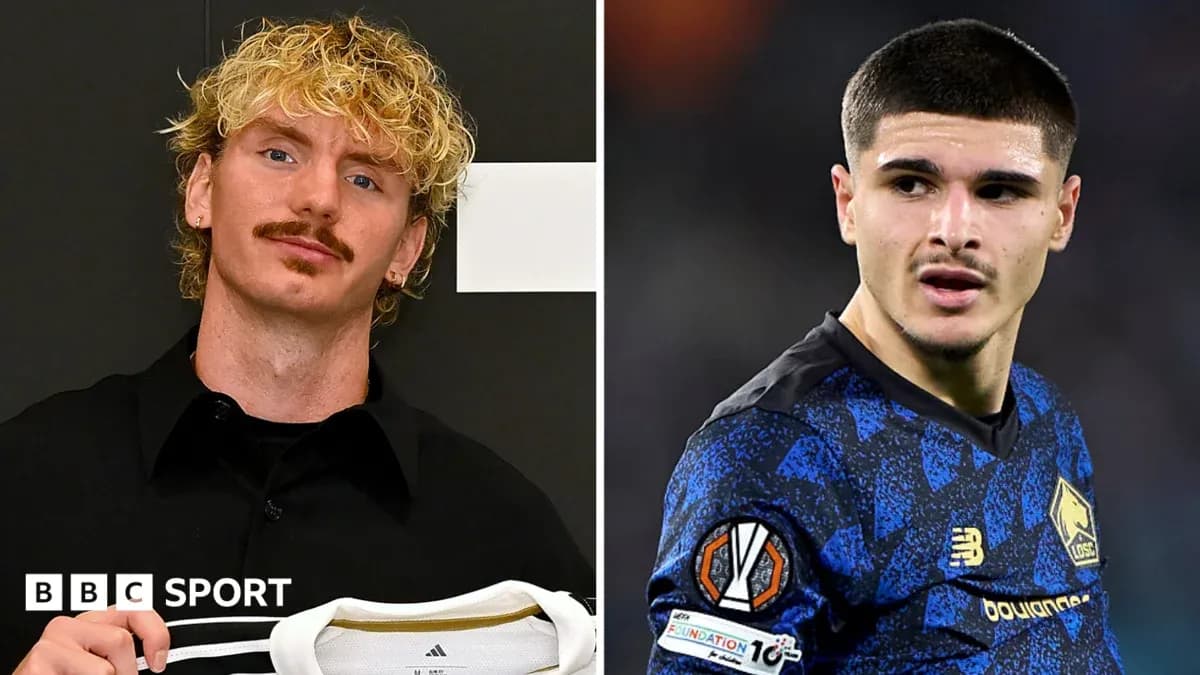
The 21-year-old Belgian was the name at the top of Newcastle’s list before the window even opened. They chased him for weeks. Lille dug in. The negotiations dragged, twisted, threatened to stall. Only in the final days did the deal finally click into place, a complex agreement pushed over the line after what those involved privately describe as delicate work.
By then, the symbolism was impossible to miss.
A tale of two forwards
On deadline day, Newcastle’s future split in two.
In one direction: Fernandez-Pardo, rapid, direct, tailored for the kind of high-octane football Matthias Jaissle wants to play.
In the other: Nick Woltemade, the towering, club-record signing, heading out on loan to Juventus barely a year after arriving on Tyneside.
Same afternoon, two announcements. One era being quietly ushered out, another being accelerated.
Woltemade’s departure underlined what this window really was for Newcastle: a reset, not a tweak. The German had not failed, but he no longer quite fit. The club that signed him under Eddie Howe is not the same club now being reshaped under Jaissle.
Howe’s exit in July, weeks before the new campaign, set the tone. A coach who had become the face of Newcastle’s resurgence stepped down, and in came Jaissle, younger, tactically intense, unapologetically front-foot. The change on the touchline was only the start.
The summer that broke the mould
By the end of the window, Newcastle had smashed their own records for both spending and sales. Eight new signings walked through the door. A core of established figures walked the other way.
This was not a gentle evolution. It was surgery.
Kieran Trippier’s departure had been flagged early. In April, the club announced that the 34-year-old would leave at the end of his contract. His legs were edging towards the twilight of his career, but his influence ran far deeper than his overlapping runs.
He was the standard-bearer of the early Saudi-backed era, the first big statement signing. Losing him hurt, even if everyone knew it was coming.
"It was emotional for me, of course, because I loved the club so much and Newcastle gave me so much in return," Trippier reflected months later, by then a Wolves player. He spoke of respect, of timing, of wanting to leave properly and preserve a bond with supporters he clearly cherished.
His exit felt like the closing of a chapter. What followed confirmed it.
Anthony Gordon to Barcelona. Sandro Tonali to Tottenham. Two headline names, but not shocking departures given the financial realities. Those sales allowed Newcastle to stay within the game’s financial rules and reinvest. Painful, yes, but rational.
Bruno Guimaraes was different.
Losing the heartbeat
Inside the club, nobody had seriously contemplated losing him. Guimaraes was more than a midfielder; he was the emotional centre of the team, the player who dragged them through tight games and bad runs.
Yet the image that lingers from last season is not of him celebrating, but collapsing.
On the final day at Fulham, during a bruising defeat that sealed a 12th-place finish and wiped away the hope of European revenue, Guimaraes simply had nothing left. He dropped to the turf, untying his boots before the physio even reached him, and stared towards the bench. It was a small act that spoke of a bigger truth: this version of Newcastle had run out of road.
Any talk of a new contract quickly evaporated. Those involved in his subsequent £75m move to Arsenal were blunt: there would be no extension. Within weeks, Newcastle had lost a fourth key player in less than a year, having already seen Alexander Isak prised away by Liverpool the previous summer.
At the same time, they swung and missed on top targets Victor Munoz and Johan Manzambi, who chose Liverpool and Aston Villa instead. For a fanbase used to the club being the new heavyweight in the market, those setbacks stung.
Inside the corridors at St James’ Park, the message stayed consistent: judge the window at the end, not in the middle.
"Just because one element doesn't go the way you want doesn't mean you abandon the plan," a senior figure insisted. The line was clear. No panic. No scrapping of the strategy. "We stayed on target, stayed focused, stayed calm and moved on. We didn't do a whole lot of mourning or crying when we had a setback. We pivoted to what's next."
The question was whether “what’s next” would be enough.
The late surge
The answer, or at least the first hint of one, arrived in the final fortnight.
Amar Dedic came in at the back. Nico Gonzalez strengthened midfield. And then Fernandez-Pardo, the long-term target, finally signed. Three young players, three clear fits for a more aggressive, athletic style.
On the pitch, the mood began to shift. A 2-2 draw with Liverpool, full of energy and bite, was followed by a 2-0 win at Tottenham Hotspur. The performances did not look like those of a club supposedly in freefall.
Season ticket holder Adam Widdrington felt the change from the stands.
"Plenty of pundits and other fans had Newcastle earmarked for relegation," he said. The doubts were familiar: an unknown manager to many, a raft of young signings, the loss of big names. From the outside, it looked like a club stepping back.
"I still wouldn't class it as a great transfer window, but I think it's a good one, especially given the context of where it looked like Newcastle were heading in that Bruno dip," Widdrington added. For him, the late business – and the early performances – had shifted the conversation. "At that point, it didn't feel like there was so much to inspire the fans, but the last three signings shifted opinion a lot."
The narrative of crisis began to fray.
Built for the sprint
Fernandez-Pardo sits at the heart of that new story.
Newcastle recorded 138 sprints on the opening weekend of the Premier League season, more than any other side. That is not a quirk. It is a statement of intent.
Jaissle wants a team that hunts, presses, runs. He has already highlighted Fernandez-Pardo’s “explosiveness” – the kind of burst that rips open back lines and stretches games. For all Woltemade’s effort and early promise last year, that was never his game.
This is a different profile for a different Newcastle.
Of course, the adaptation will not be seamless. Fernandez-Pardo is 21. He is stepping into the most demanding league in the world, into a team that has been ripped up and reassembled in a matter of months. There will be flat days, dips in form, questions asked.
But belief is not something this group seems short of.
"We always have hope and belief," Jaissle said before a ball had been kicked this season. "No one can take that away from us."
The summer that began with departures, doubts and bruises ended with a squad that looks younger, quicker and more aligned to its new head coach. The final signing, Fernandez-Pardo, did more than complete a checklist.
He drew a line under what Newcastle were, and offered a glimpse of what they are determined to become.