Manchester United's Longest Winless Run Remains Far Behind Current Struggles
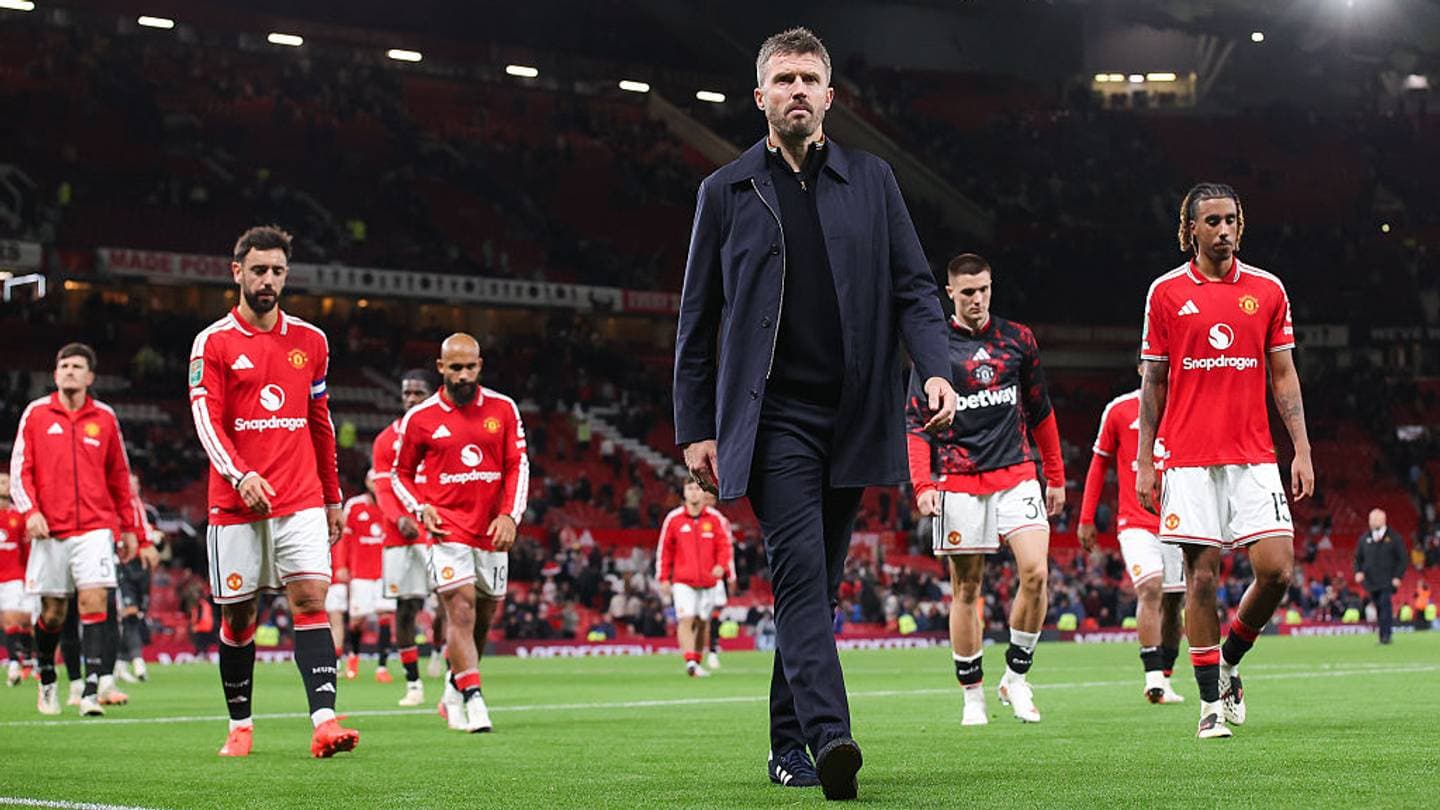
Although Manchester United has gone six games without a win this season, it is far from matching the club's longest winless streak. That record dates back nearly 100 years, to a very different era of football and world history.
The Historic Context
Back in 1930, the world was reeling from the aftermath of World War I and the onset of the Great Depression. English football was also very different, with Manchester United not yet the powerhouse they would become. They had enjoyed brief peaks under manager Ernest Mangnall in the early 1900s but quickly declined after his departure in 1912.
By the outbreak of World War I, United were struggling near relegation before football was suspended in 1915. After the war, their fortunes did not improve significantly, culminating in relegation in the 1921–22 season after several disappointing finishes.
A Record-Breaking Slump
Upon returning to the First Division after three seasons away, United faced tough competition from teams like Huddersfield Town, Sunderland, Everton, and Arsenal. Managerial instability added to the woes; John Chapman was suspended by the Football Association in 1926 for undisclosed reasons, leading to the appointment of player-manager Lal Hilditch and then Herbert Bamlett, who is often regarded as one of the worst managers in the club’s history.
In 1927, the death of principal owner John Henry Davies, who had previously saved the club from bankruptcy, left Manchester United in financial turmoil. The team finished the 1929–30 season in 17th place, just two points above relegation, closing the season with four matches without a win. But the troubles worsened.
The following season began with a dreadful run: 12 straight losses, extending the winless streak to 16 games until a 2-0 victory over Birmingham City on November 1, 1930, finally ended it.
Details of the 16-Match Winless Streak (1929–31)
- Apr. 19, 1929–30: Man Utd 3–3 Everton
- Apr. 22, 1929–30: Huddersfield 2–2 Man Utd
- Apr. 26, 1929–30: Leeds 3–1 Man Utd
- May 3, 1929–30: Man Utd 1–5 Sheffield Utd
- Aug. 30, 1930–31: Man Utd 3–4 Aston Villa
- Sept. 3, 1930–31: Middlesbrough 3–1 Man Utd
- Sept. 6, 1930–31: Chelsea 6–2 Man Utd
- Sept. 10, 1930–31: Man Utd 0–6 Huddersfield
- Sept. 13, 1930–31: Man Utd 4–7 Newcastle
- Sept. 15, 1930–31: Huddersfield 3–0 Man Utd
- Sept. 20, 1930–31: Sheffield Wed. 3–0 Man Utd
- Sept. 27, 1930–31: Man Utd 0–2 Grimsby
- Oct. 4, 1930–31: Man City 4–1 Man Utd
- Oct. 11, 1930–31: West Ham 5–1 Man Utd
- Oct. 18, 1930–31: Man Utd 1–2 Arsenal
- Oct. 25, 1930–31: Portsmouth 4–1 Man Utd
Fan Discontent and Financial Troubles
Supporters voiced their frustration through the Manchester United Supporters’ Club, demanding managerial change, improved scouting, new signings, fresh shareholders, and funds raised through issuing new shares. These demands were ignored, leading to boycott threats during a match against Arsenal in October 1930.
The boycott never materialized, with over 23,000 attending the game, but fan interest sharply declined afterward. By May 1931, fewer than 4,000 fans showed up for what would be Manchester United's last top-flight match for five years.
Recovery Begins
Financial rescue came when James W. Gibson took over ownership after relegation. Despite continued struggles that almost led to further relegation in 1933–34, the club eventually returned to the top division by 1938. They began focusing on youth development through the founding of the Manchester United Junior Athletic Club, a forerunner of today's academy system. Stability finally arrived with Matt Busby's appointment following World War II.
Since then, Manchester United has never endured a 16-match winless streak again.