Manchester United's Late Collapse: Gary Neville's Warning
Manchester United let another win slip through their fingers, and Gary Neville has seen this film before.
At 1–0 up deep into stoppage time at the Hill Dickinson Stadium, United looked to have done the hard part. They had quietened the crowd, managed the tempo, and seemed to be walking away with three points. Then came the late surge, the familiar panic, and finally Ainsley Maitland-Niles crashing in a 96th-minute equaliser that felt as inevitable as it was avoidable.
Four points from three games is not a crisis. The manner of this draw is the problem.
Neville’s warning shot
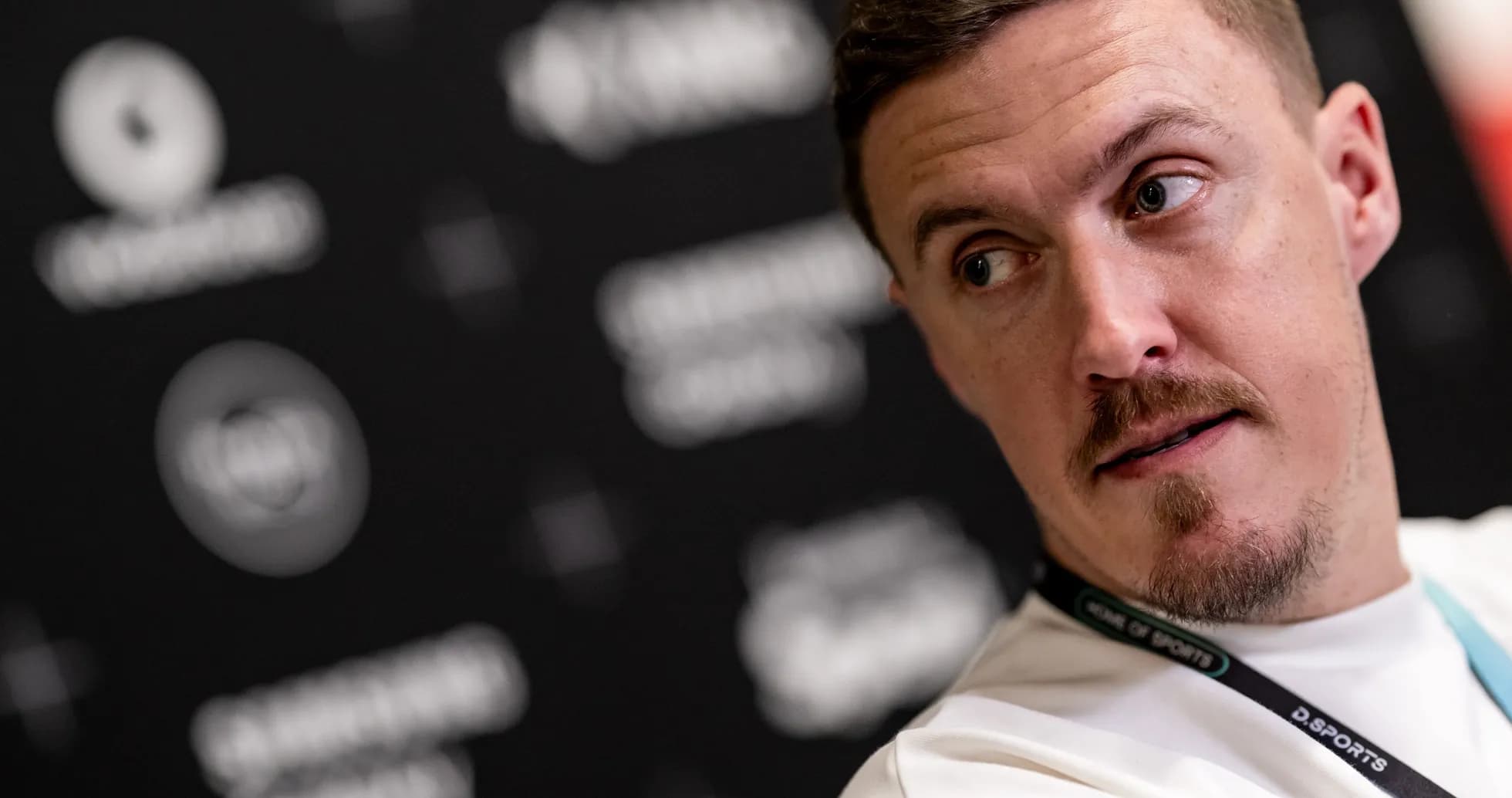
Speaking on the Gary Neville Podcast, the former United captain did not bother with niceties. He sees patterns, and they are not flattering.
"Teams think they've got a chance against them," he said, cutting straight to the heart of it. United, in his eyes, lack that ruthless edge, the ability to suffocate opponents once in front. "I thought they were a little bit complacent and I was saying it after the first goal, they lacked that killer instinct before that period when Everton equalised and then they react again."
The reaction came too late. Again.
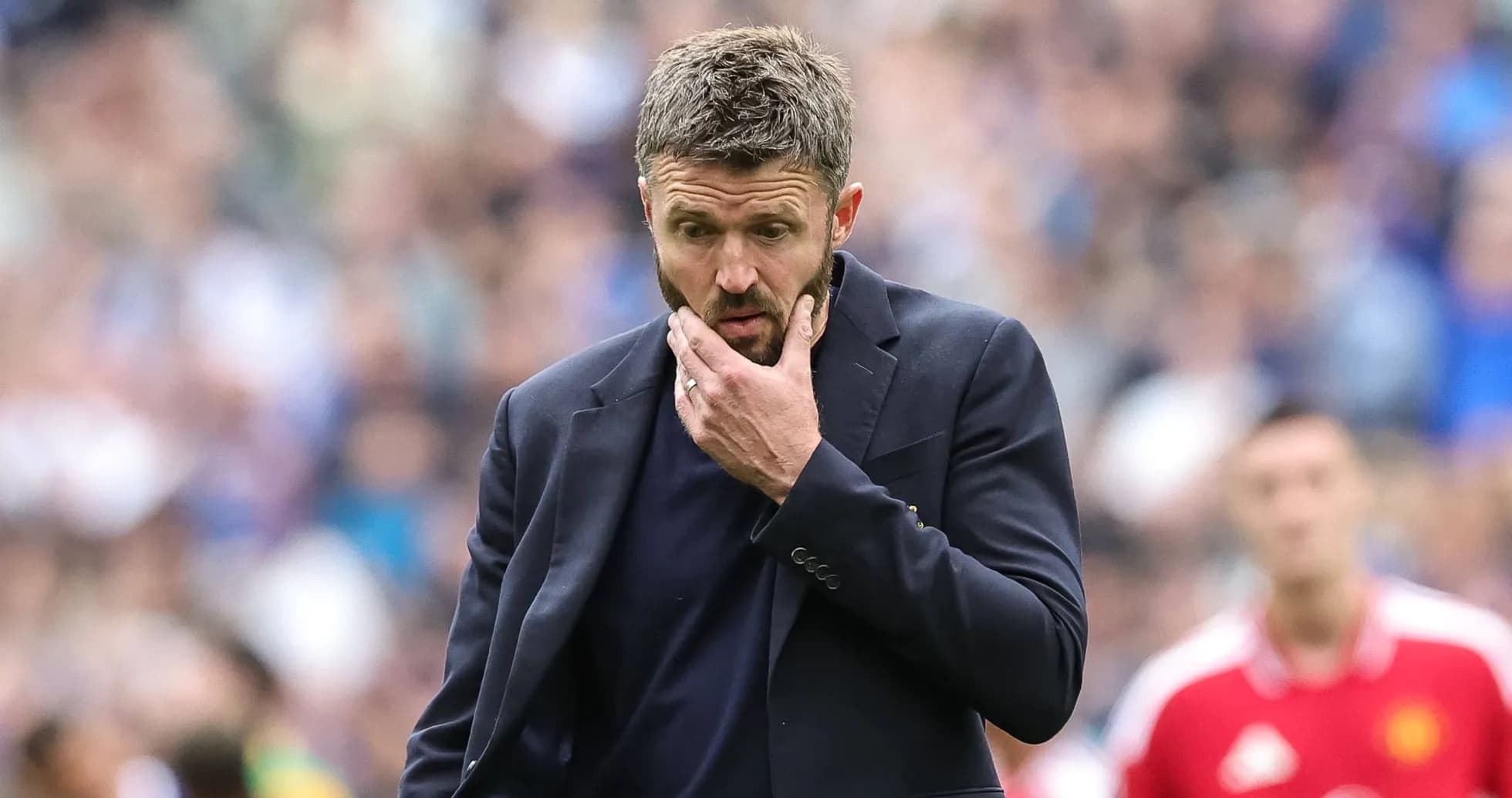
Neville’s biggest frustration, though, was reserved for the touchline. Specifically, Michael Carrick’s reshaping of his defence in the dying minutes. United were already wobbling. The changes, Neville felt, turned a wobble into an invitation.
He could not understand why key defenders were removed just as Everton threw everything forward. Luke Shaw and Diogo Dalot both made way, and with them went United’s best chance of riding out the storm.
"I don't think it's going to go away and that's my big fear," Neville said of United’s habit of conceding. "I think conceding goals is going to chase them and hunt them down the road and I don't know how Michael deals with it because he's got his best back four on the pitch. I don't know why Shaw went off with five minutes to go – hopefully he's not injured."
That line carried more than concern. It carried a warning. Neville referenced the kind of defensive tinkering that dogged the tenures of Erik ten Hag and Ruben Amorim. Too many changes. Too little solidity. The sense that, under pressure, United still do not know how to shut a game down.
Carrick fronting up
Carrick did not rant. He rarely does. But he did not pretend there wasn’t a problem either.
He praised the quality of Everton’s strikes, both from distance, both hit sweetly. Yet he accepted that relying on probability – that most of those efforts “probably don't” fly into the top corner – is not a game plan.
"Obviously, we can't ignore it. We need to concede fewer goals to give us a better chance of winning games. We'll certainly look at that and keep improving. There's obviously things we need to get better at as a team," he said.
Then came the admission every United fan already knew: yes, conceding late is an issue. "There's been two strikes from distance really, two really good strikes from their point of view. Sometimes they fly in the top corner and more often than not they probably don't. Yeah, for sure, it is [on conceding late]."
The words were calm. The implications are not. Game management, once a hallmark of United sides that strangled matches in the final 10 minutes, remains fragile.
Rashford worry adds to unease
As if the defensive frailty were not enough, United left with another concern: Marcus Rashford’s fitness.
The forward, sharp and lively off the left, had combined well with Shaw, repeatedly stretching Everton down that flank. Their understanding, built over years, gave United a natural out-ball and a threat on the break.
Then Rashford signalled a problem and was withdrawn in the second half.
"He felt a little bit of something, so we had to change him," Carrick explained. He was quick to highlight the positives in Rashford’s link-up play with Shaw. "We had good connections pretty much all over the pitch at different times of the game, and Marcus and Shaw have played together for a long period of time and have a good understanding. And you can see that, they look really dangerous down that side, and there is obviously more to come."
United will hope “more to come” refers to goals and performances, not medical bulletins.
Because this is where the pressure builds. Not with league tables in August, but with the feeling that the same soft spots keep getting poked. A team that cannot close games. A backline unsettled just when it needs to be unmovable. A star forward clutching at something and heading down the tunnel.
Neville has already drawn the parallels with recent, failed regimes. Carrick now has to prove that this is a stutter, not the start of the same old story.