Manchester City Prepares for Champions League Clash with Porto
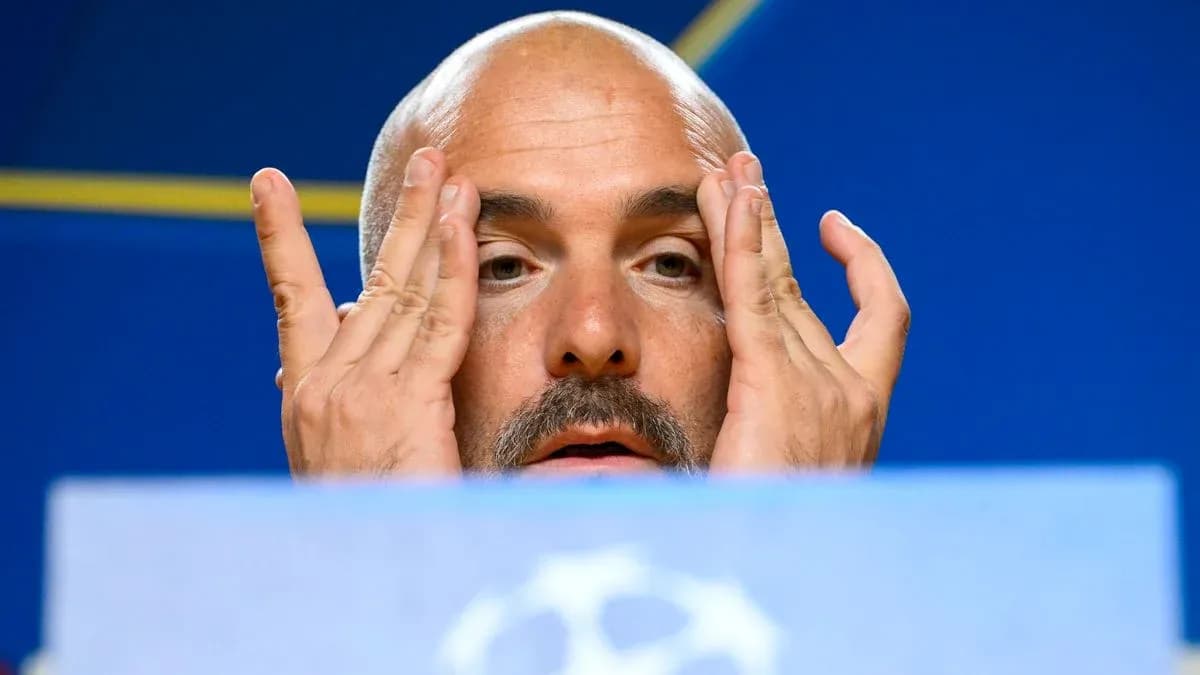
Manchester City step back into the Champions League glare on Tuesday night, and Enzo Maresca has made sure the noise started early – quite literally.
On the eve of their Group Stage opener away to Porto, the City head coach and Matheus Nunes cut through the usual pre-match clichés with a mix of straight talking on injuries, tactical tweaks and a glimpse into the new atmosphere around the Etihad Campus.
O’Reilly hope, Doku concern
The headline news came on the fitness front. Nico O’Reilly, a late withdrawal from the warm-up before City’s win over Coventry, could be back in time for the Manchester derby at the weekend. The issue was never considered serious, and Maresca sounded optimistic that the young midfielder will be available for the visit of United.
Jeremy Doku is a different story. Injured in the Community Shield and left out of the travelling squad to Portugal, the Belgian has already missed the start of the campaign and is on course to sit out at least the first five games of the season. Maresca stressed that Doku is “back”, but not yet ready to return to action, and he did not train on Monday before the squad flew to Porto.
City will begin their European campaign without two of their most exciting young attacking options, and with a demanding domestic schedule already biting.
Maresca’s City: same standards, new energy
Maresca knows this competition well from his time on Pep Guardiola’s staff during the Treble season, but he is determined to stamp his own mark on the squad he has inherited.
One of the most noticeable changes has nothing to do with tactics. It is the soundtrack.
Music now runs through training sessions and warm-ups, just as it did when Maresca worked at Leicester and Chelsea. The players pick the playlist, the volume is up, and the manager believes it lifts the mood and sharpens the work. “When it is playing, they are happy. They choose the music,” he explained, a small detail that hints at a looser, more expressive environment around a club used to relentless precision.
On the pitch, though, the demands remain ruthless. Maresca spoke of the need to be “perfect” on set pieces against Porto, acknowledging the Portuguese side’s threat from dead balls. He praised their clear identity and structure, calling them a “very, very good team” and underlining how difficult an away night in Porto can be.
There was no interest in the favourites tag. “We are here to do our best,” he said. “The game will dictate who is favourites.” For Maresca, expectation at City is a constant. Transfer spending only hardens that reality. His focus, he insisted, stays on daily improvement.
Haaland the captain, Haaland the man
Erling Haaland’s role under the new regime is already evolving. Maresca confirmed the striker is now City’s second captain, a status that reflects his stature in the dressing room as much as his goals.
“He is the second captain. He is a figure. He has won everything for the club,” Maresca said, pleased that Haaland’s leadership “keeps growing”.
The Italian drew a clear line between the young phenomenon who first arrived and the man he sees now. Haaland is a father, a family figure, and Maresca believes that has completed him off the pitch while changing nothing about his status as a “top class player” on it.
The challenge is to keep him fresh. Maresca did not hide the strain on Haaland and others who carry heavy international workloads. When he sees mental or physical fatigue, he wants to act quickly – a rest for a game, or even a week, if needed. The priority is simple: 11 players at 100 per cent.
Nunes: right-back, midfielder, survivor
When Nunes took his seat after Maresca, he arrived as a man who has already lived several lives in this City side.
Right-back one week. Midfielder the next. Sometimes both in the same game.
“I can play any position. I feel happy at right-back,” he said with a shrug that suggested this is just part of the job at an elite club. Deep down, he still sees himself as a midfielder, and he knows Maresca’s system will pull him into different zones depending on the plan. “When Mister decides me to play in one position, that is where I will play.”
His season started with frustration. An ankle problem, picked up in training before the Arsenal game after a heavy tackle, disrupted his rhythm. Now, he insists, that is behind him. “I’m good, I am 100 per cent,” he said, keen to move on from the stop-start beginning.
Nunes has already noticed the shift under Maresca. “He has brought so much energy, there feels like a new energy around,” the midfielder said. Standards remain sky-high, but the mood is lighter, more vibrant, helped by the music and the manager’s intensity on the training ground.
Porto memories and a different Porto
For Nunes, this tie carries a personal twist. He knows Porto well from his time in Portugal and expects a brutal contest.
“It is going to be tough. All teams have great players. I know Pepe is a great forward, he plays very well with his two feet. It is going to be a beautiful duel,” he said, relishing the battle.
He has seen a clear shift in Porto’s style. When he played against them before, they thrived in transition, leaning into the club’s traditional fighting spirit. Now, from what he has watched, they want to control games, to enjoy the ball and dictate tempo. The grit is still there, but the approach has evolved.
Is this the most complicated tie? Nunes refused to play that game. Arsenal was complicated. Crystal Palace was complicated. Porto will be another test against one of the best sides in Portugal. City, he insisted, must be at their best level.
Guardiola echoes, Maresca imprint
Nunes is well placed to compare Maresca with his old boss. He worked with Guardiola for three seasons and has had only a few months with Maresca, but the similarities already stand out.
“They are both very passionate,” he said. Right now, he sees more parallels than differences: intensity, detail, a clear idea of how the game should be played. He wants a few more months before drawing firmer lines, but the Guardiola influence is obvious.
That shows up in the way creative players are used. Maresca spoke at length about Rayan Cherki’s role, dropping deep to manage the tempo in City’s own half and pushing higher to deliver the final pass in the attacking third. He pointed to Cherki’s positioning for the second goal against Bournemouth as the perfect example, and added that Phil Foden can also provide that killer ball between the lines. “We are very lucky,” he said, a nod to the depth of invention at his disposal.
New faces, old ambition
Nunes could not hide his admiration for City’s recruitment. “It is incredible that they brought in. They were the best players at the other teams,” he said. For him, it is simple: players leave, players arrive, and the squad’s job is to help the newcomers settle quickly. By his account, they are already “very happy to be here”.
The Champions League, though, does not care about comfort. Nunes called it the most difficult competition in football, especially once the knockouts begin. One bad night and you are gone. The Premier League allows for recovery; Europe does not.
City approach the revamped format with the same ambition as ever. They want to win it every season. That has not changed under Maresca, even if the route through the competition has.
Porto away will not define their campaign, but it will reveal how quickly this new version of City can bend to a familiar demand: control the chaos, impose their style, and carry that new energy onto the biggest stage of all.