Mahama Warns of Ghana’s Talent Drain in Football
John Dramani Mahama did not speak like a casual fan. He spoke like a man watching a football culture slowly bleed out.
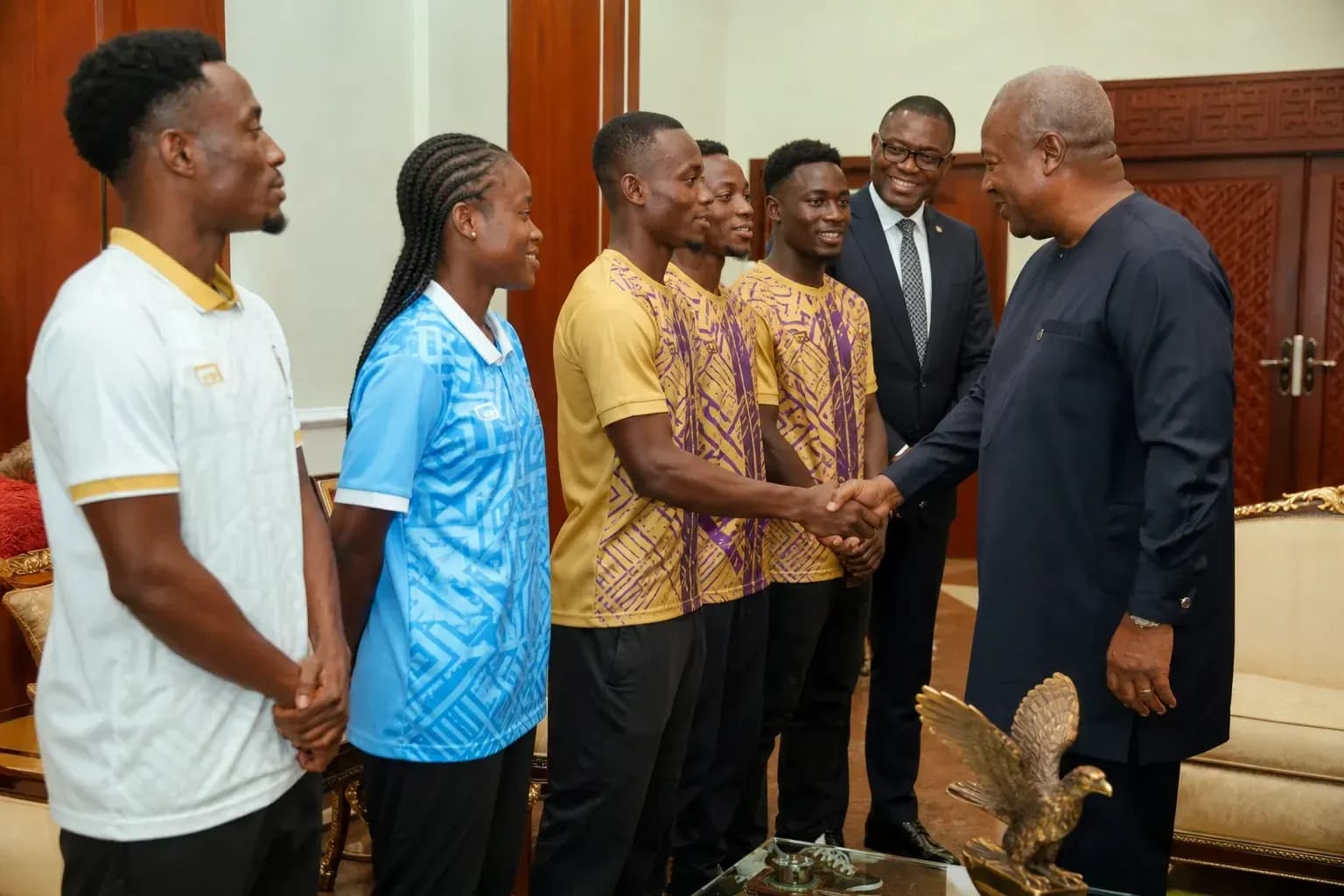
Meeting Nations FC, Medeama SC and Ampem Darkoa Ladies at Jubilee House on September 8, 2026, the Ghanaian President warned that the steady early exit of promising players from the domestic league is eroding the very core of local football.
The message was blunt: Ghana is selling its future too soon.
We Lose Them Too Early
Mahama pointed to a pattern every club official in the room would recognise. A teenager strings together a few eye-catching performances, word spreads, scouts appear, and before the local fans can even learn his name properly, he is gone.
In his view, that conveyor belt of talent out of the Ghanaian Premier League is dragging down the standard of the domestic championship. The league, he suggested, is becoming a showcase rather than a true competition — a shop window where the best products are constantly removed from the shelves.
He stressed that Ghana is losing young players at a stage when they should still be growing at home, learning the game in front of their own crowds, building rivalries, carrying the weight of club expectations. The country, he argued, must find ways to keep them in the national league longer.
Not forever. Just long enough for them to become more than raw potential.
National Team as a Finishing School
Mahama did not stop at criticism. He pushed an idea that cuts to the heart of how Ghana treats its emerging stars.
Give them the Black Stars.
The President proposed that promising youngsters should be given opportunities with the national team, not only as a reward, but as a deliberate step in their development. Exposure to international football, he believes, can harden them, sharpen them, and prepare them properly before the next move in their careers.
His logic is clear. A player who has already faced international opponents, worn the national shirt and dealt with that pressure will be far better equipped when European or other foreign clubs come calling. By then, he argued, they will be more mature, more complete, and less likely to vanish in the churn of global football.
In Mahama’s eyes, that path — local league, then national team, then a move abroad — could protect both the players and the domestic game.
The question now is whether Ghanaian football’s powerbrokers are ready to slow the talent drain long enough to let the league breathe again.