How Luis Enrique’s PSG Exploited Manchester City’s High Line for a Stunning 4-2 Victory
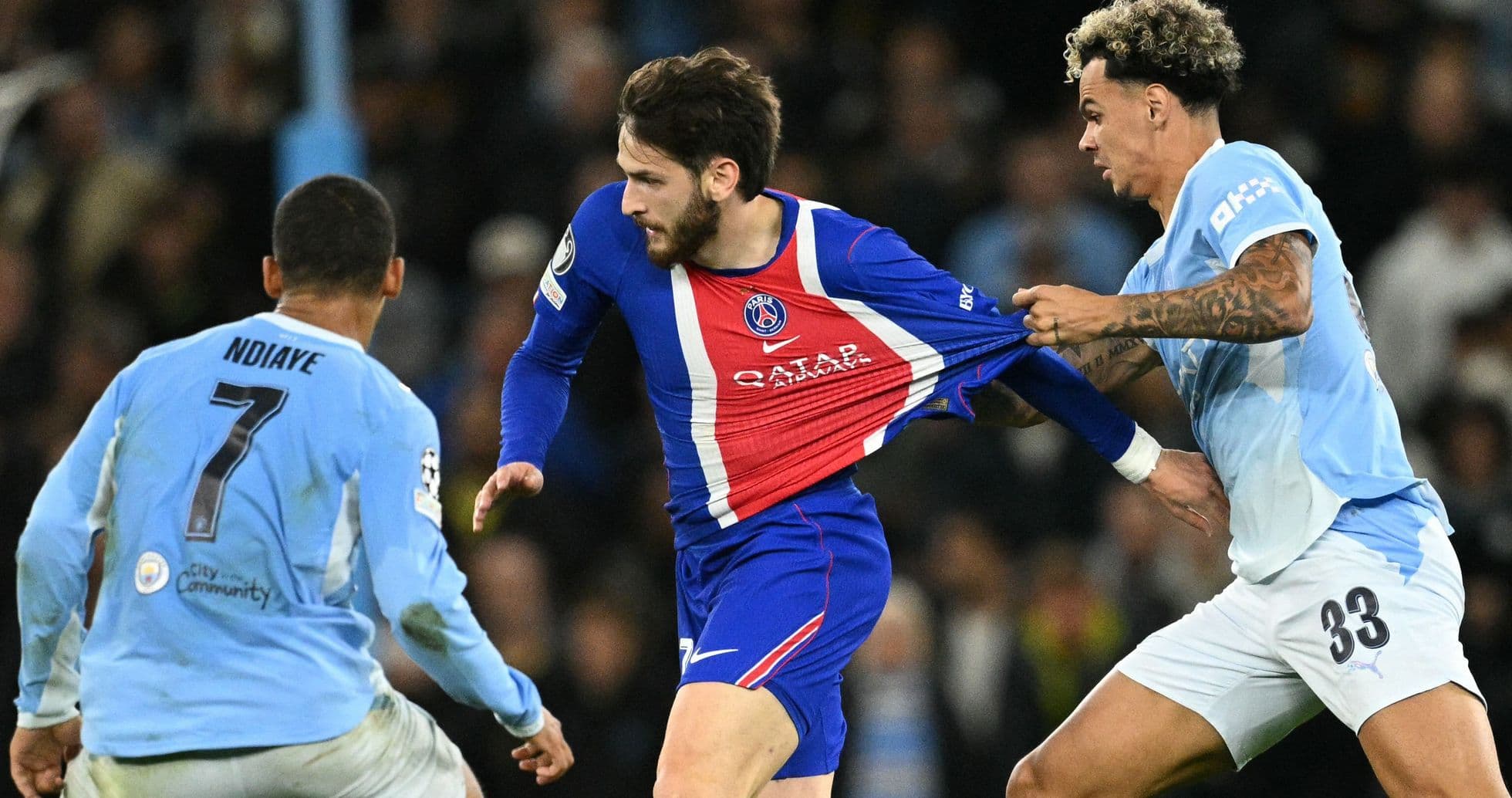
Paris Saint-Germain delivered a precise counter-attacking performance to beat Manchester City 4-2 at the Etihad Stadium. Despite a strong second-half response led by Erling Haaland, City's defensive weaknesses early on proved too costly.
The Battle of Styles
The match highlighted a clash between the approaches of Enzo Maresca and Luis Enrique. City aimed to dominate possession with a high-pressing 4-2-3-1 setup, using Enzo Fernandez and Elliot Anderson as the double pivot to control tempo. Meanwhile, Jeremy Doku and Rayan Cherki were expected to unlock PSG’s defense.
PSG, under Enrique, played a flexible 4-3-3 that emphasized quick vertical transitions rather than side-to-side passing. By drawing City's defenders forward, PSG created open space behind the defense. Their plan was to bypass City’s press rapidly and use the pace of Ousmane Dembele and Desire Doue to challenge City's center-backs in one-on-one situations.
Manchester City’s Formation and Issues
Maresca set up a 4-2-3-1 which often became a 3-2-5 during build-up, with Josko Gvardiol dropping back to add cover. City pressed aggressively when Safonov passed short to Marquinhos or Willian Pacho, pushing their front four high to force long clearances. This approach carried risk because the gap between midfield and defense was wide, exposing Ruben Dias and Marc Guehi to direct runs.
In possession, City struggled to find rhythm in the first half. Although Enzo Fernandez tried to dictate play, PSG’s mid-block cut off passes to Cherki. Doku was tasked with stretching the left but was often double-marked by Achraf Hakimi and Warren Zaire-Emery. Haaland had limited involvement early on, as City's 54% possession didn’t translate into effective vertical attacks. Their defense also looked vulnerable during transitions, with the high line repeatedly breached by PSG’s sharp passes into channels.
PSG’s Strategy and Execution
Enrique’s 4-3-3 showed discipline and precision. PSG shifted into a compact 4-5-1 shape in midfield to block City's advances, with Vitinha and Fabian Ruiz protecting the back four. They patiently let City keep possession in less threatening areas before pouncing on errors. Vitinha orchestrated this by quickly finding diagonal runs from Dembele or direct sprints from Doue after winning the ball.
PSG intentionally took risks in their build-up, involving goalkeeper Safonov to lure City’s pressers out of position. Once they bypassed the first line, Zaire-Emery and Ruiz pushed forward sharply to exploit space. Maghnes Akliouche’s movement into half-spaces pulled Guehi out of place, creating openings for the wingers. PSG's efficiency stood out—they scored three goals from just 46% possession in the first half, demonstrating their strength as a top counter-attacking side in Europe.
The Tactical Chess Match
The key battle unfolded in wide areas and transition zones. Enrique spotted City full-backs, especially Gvardiol, leaving gaps behind. By keeping Dembele wide and advanced, PSG prevented City from fully committing to attacking rotations, forcing midfielders to cover excessive lateral ground.
Enrique’s pragmatic style outmaneuvered Maresca’s rigid system. PSG’s mobile front three exploited City’s static center-backs, with three early goals from Doue, Dembele, and Vitinha tipping the tactical balance decisively. By the time City adapted, the damage was done.
Second-Half Changes and Game Management
At halftime, Maresca made three substitutions—Matheus Nunes, Ayyoub Bouaddi, and Iliman Ndiaye replaced Ruben Dias, Rayan Cherki, and Jeremy Doku. This shifted City's approach to a more dynamic attack, adding support for Haaland. Ndiaye's direct style helped create Haaland’s first goal in the 53rd minute. City abandoned some slow buildup for more crossing and faster recycling.
Enrique responded by refreshing his attack, bringing on Khvicha Kvaratskhelia for Doue and Joao Neves to stabilize midfield. After Haaland’s second goal in the 75th minute, PSG dropped deeper into a 5-4-1 defensive block, reinforced by Lucas Hernandez and Lucas Beraldo. This lineup absorbed City’s late aerial pressure, preserving PSG’s lead despite City taking 27 shots overall.
The Decisive Factors
PSG’s ability to draw City into a false sense of control before striking on the break decided the match. Haaland’s two goals reflected individual quality and a stronger second half, but the early structural damage caused by Doue, Dembele, Vitinha, and Akliouche proved too much. Enrique’s focus on rapid vertical attacks overcame Maresca’s possession-heavy plan, showing that managing space can be more effective than simply controlling the ball in elite football.
- Next Manchester City match: Premier League vs Ipswich Town, 17 Oct 2026, 17:00
- Next Paris Saint-Germain match: Ligue 1 vs Strasbourg, 17 Oct 2026, 18:15