Lionel Messi's Timeless Legacy and Ninth Ballon d'Or Nomination
Lionel Messi’s latest Ballon d'Or nomination is not just another line in a crowded honours list. It is a marker of time itself.
Twenty years separate his first appearance among the candidates, in 2006, from this new nomination for the 2026 award. An entire generation has grown up, grown old, and passed the game on in the space between those two moments. Messi is still there.
From teenage prodigy to timeless reference point
Back in 2006, Messi was a 19‑year‑old phenomenon at Barcelona, still more promise than finished product. He had already begun to unsettle defenders and bend matches to his will, but his name on the Ballon d'Or shortlist felt like a glimpse of the future.
The future arrived quickly. From that first nod, Messi did not just live up to the expectations around him; he redrew the limits of what a career at the very top can look like. Eight Ballon d'Or trophies followed, a run of dominance that framed an era and forced the sport to measure greatness in new ways.
Now comes the statistic that borders on the surreal: a 20‑year gap between his first and latest nomination. In a sport that chews up stars and spits them out in five to seven years, Messi has stretched his relevance across two full decades of tactical revolutions, physical demands, and generational turnover.
A record that stretches across eras and clubs
Messi already holds a distinction that belongs only to him: Ballon d'Or wins in three different decades — the 2000s, 2010s, and 2020s. He did it while wearing three different shirts at club level: FC Barcelona, PSG, and Inter Miami.
Each stage carried its own narrative. The rise and reign at Barcelona. The short, intense chapter in Paris. The move to Inter Miami, where many expected a gentle winding down and found, instead, a player still capable of dictating games and headlines.
This latest nomination arrives after a year in which Messi once again led from the front for Inter Miami and the Argentina national team, guiding his country all the way to the final of the 2026 World Cup. At an age when most legends are long retired or reduced to cameos, he remains central to the biggest matches and the sharpest pressure.
Chasing a ninth Ballon d'Or
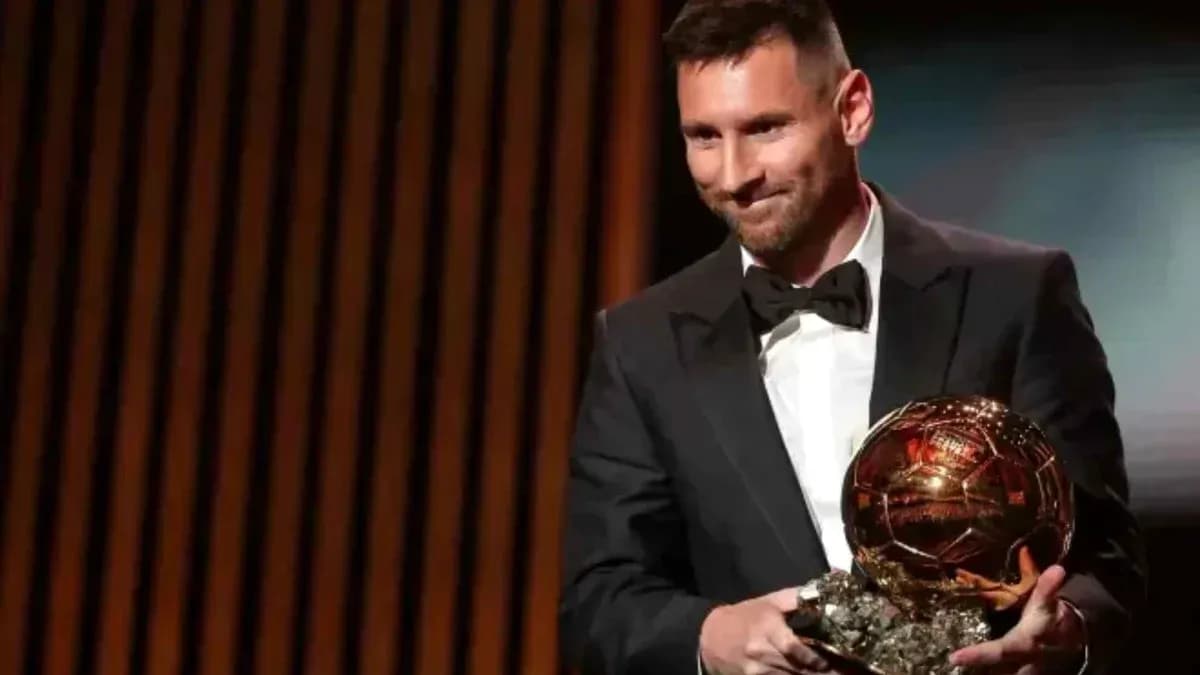
The numbers are already staggering. Eight Ballon d'Ors, the most in history, and a catalogue of performances to match the trophies. Yet October 26 in London offers another step into uncharted territory.
If Messi’s name is called again, he will climb to nine Ballon d'Ors, stretching his lead over Cristiano Ronaldo, who has five, to an almost absurd four‑trophy gap. The rivalry that defined a footballing era would tilt even more decisively in his favour in the record books.
The award itself will not tell the whole story. It never does. But if he lifts that golden ball once more, it will underline a simple, extraordinary truth: while generations have come and gone, Lionel Messi has not just kept pace with time — he has stayed ahead of it.