Grassroots Football Faces Crisis as Heatwave Closes Pitches
On the professional stage, football rolls on under floodlights and pristine turf. At grassroots level, the game is running out of grass.
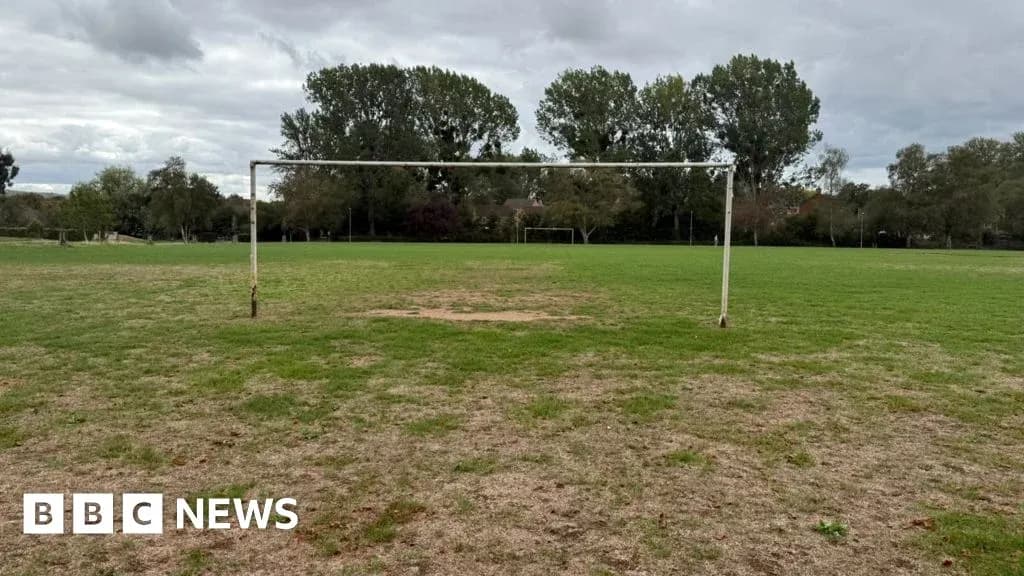
In Taunton, pitches have been shut down after months of extreme heat left surfaces cracked, brittle and unsafe. Taunton Town Council has closed its sports pitches “to protect the long-term quality and sustainability of the facilities” and, crucially, to keep players safe.
That decision has sent a shockwave through local football.
Paul Coltman, a football consultant working with the affected clubs, warned that this is not a minor inconvenience or a short-term pause. It cuts right into the heart of the community game.
“We're already close to breaking point with more teams than we have pitches,” he said. The maths is brutal. With several surfaces now out of action, the remaining ones will be hammered. “Those pitches that are still usable will now have more games on them which means the knock-on effect is huge.”
This is not just about Sunday league fixtures being shuffled or a few training sessions cancelled. It hits organised matches, midweek training, youth football, and the informal kickabouts that keep people connected to the sport.
“This is a huge impact on local football and a massive drain on an already shrinking volunteer base,” Coltman said. The volunteers who line pitches, open changing rooms, mark out the lines and manage teams now face another layer of logistical chaos.
The council’s inspections painted a stark picture. An extended drought has weakened the grass cover and baked the ground beneath it. Surfaces that should give underfoot have turned hard and unforgiving.
“Our inspections have indicated that continued use at this stage could cause significant damage to the pitches and affect their condition for the remainder of the season,” a council spokesperson said. Keep playing now, and the season could be ruined later.
There are faint signs of recovery, but they are fragile. “Whilst the pitches are showing signs of recovery, they remain under considerable stress and require additional time to recover fully before regular play resumes,” the spokesperson added.
For Coltman, the heatwave has only exposed a deeper problem. The damage did not start this summer.
“The pitches are already in decline before the hot weather affected them further,” he said. “This is a result of years of neglect and poor maintenance.” The climate has turned up the pressure, but the foundations were already crumbling.
Clubs are now being pushed into survival mode. “Those clubs are now going to need to work together to find alternative venues,” Coltman said. That means scrambling for school fields, sharing already busy sites, or travelling further just to get a game on.
“This isn't going to go away quickly by the sound of things,” he warned.
For now, the council is trying to manage a delicate balance: protect the surfaces, but not lose the season. “The pitches are being inspected regularly and the situation is reviewed on a week-by-week basis,” the spokesperson said.
Week by week. While teams wait, volunteers juggle, and players wonder how long their game can keep going without a place to play.