Who Will Be Germany's Next No. 1 Goalkeeper After Neuer?
When Jürgen Klopp steps in front of the cameras on 17 September to announce his first Germany squad, one position will drown out all the others. Not centre-forward. Not the holding midfielder. The question that will define the new era is far more basic, far more symbolic.
Who wears the No. 1 shirt after Manuel Neuer?
For Thomas Helmer, the answer is already on the table.
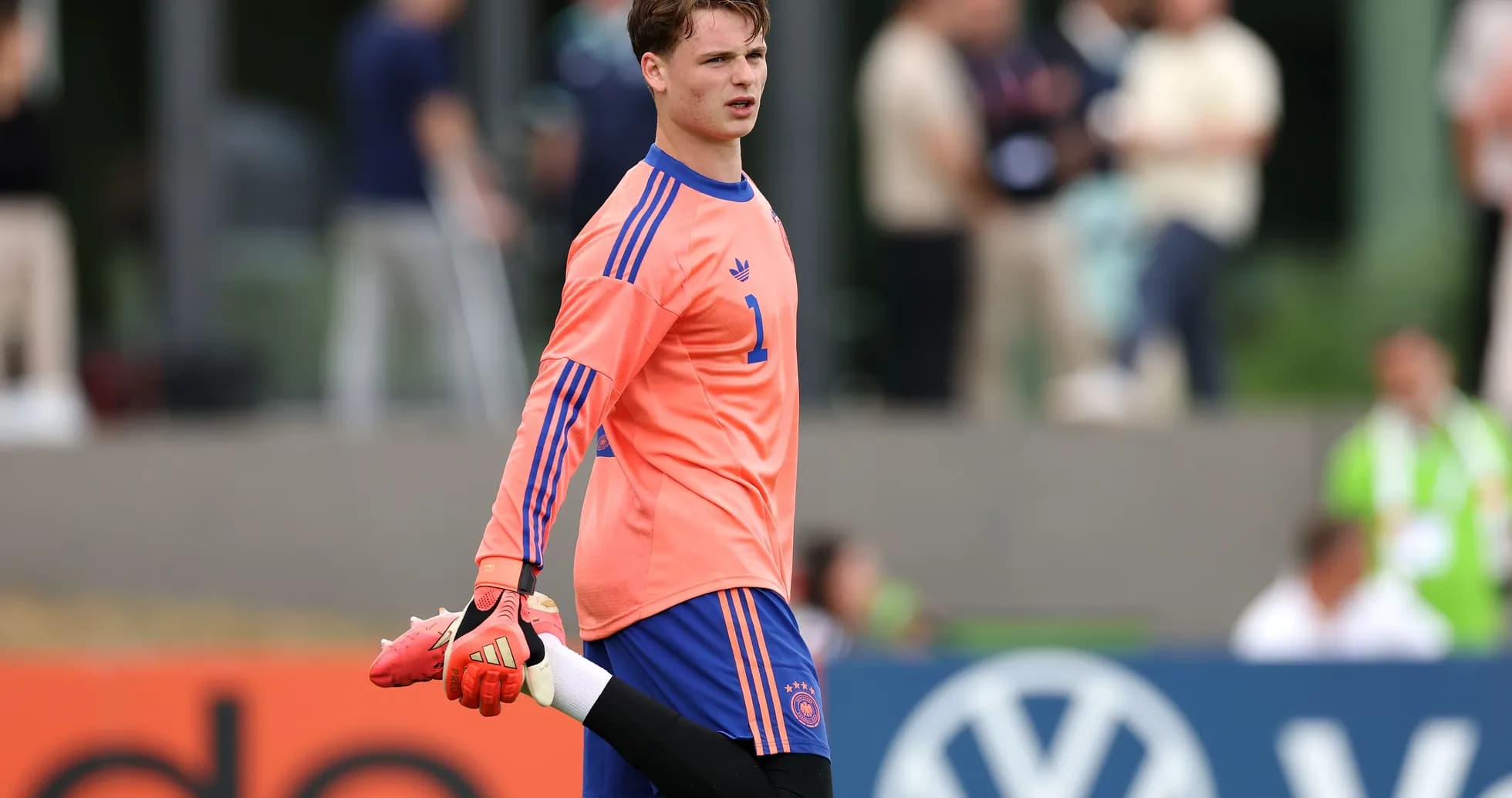
The former Bayern defender and Euro 96 winner has watched Alexander Nübel’s resurgence from Istanbul with interest, and he doesn’t bother hiding his admiration. “Looking at it right now: Nübel, who is playing sensationally in Istanbul and simply has match practice, is certainly a candidate,” he told Sport1.
That “match practice” line is no throwaway remark. Nübel has finally escaped the shadow of the Allianz Arena and come alive at Besiktas, stringing together six clean sheets in his first nine competitive games. Regular minutes, real pressure, a club that leans on him every week – all the things a national-team goalkeeper is supposed to live with.
And yet, even Helmer stops short of crowning him Neuer’s heir. The shirt is too heavy, the legacy too big, the competition too unsettled.
“It’s a big question,” he admits, who will ultimately succeed the now-retired giant.
Neuer’s late-career twist only deepened the uncertainty. The veteran had muscled his way back into the Germany goal for a final tilt at the 2026 World Cup, edging out Oliver Baumann and briefly restoring the old order. Then came the full stop: Neuer has now retired for good, and the succession plan that once seemed straightforward suddenly looks wide open.
Inside Bayern, the long-term roadmap points towards Jonas Urbig. The young keeper travelled to the World Cup as a training goalkeeper, working alongside Neuer, Baumann and Nübel, even if his name never appeared on the official squad list. Many see him as the designated successor at club level, and by extension, a natural candidate for the national team.
Helmer isn’t convinced.
“The question is how much playing time he will really get under Vincent Kompany,” he said, cutting straight to the core of the debate. One DFB-Pokal outing against Osnabrück – “and I don’t mean that disrespectfully at all” – does not, in his eyes, form the basis for a Germany No. 1.
Bayern insist Urbig will get his minutes as the man behind Neuer. That might work for a development plan. It does not, Helmer argues, work for a country trying to replace a generational figure.
“In the goalkeeping position, you need someone who plays all the time,” he said.
That is the crux of it. Klopp inherits a nation that has grown up expecting its goalkeeper to be both a wall and a playmaker, an organiser and a personality. The next man cannot just be talented. He has to be hardened by weekly football, sharpened by mistakes, trusted by his club.
Right now, Nübel fits that profile better than most. Urbig might be the future. Others, like Marc-André ter Stegen, hover in the background of every discussion, experienced, decorated, and waiting for a call that could drag them back into the DFB spotlight.
On 17 September, Klopp will not just be picking a goalkeeper. He will be choosing a symbol for his Germany.