EFL Championship Early Insights: Heavyweights and Strugglers
Four games into the EFL Championship season and the table already has a familiar edge to it. Patterns are forming, even if the league has a habit of tearing them up by Christmas.
Swansea, QPR and Charlton all sit on 10 points, sharing the early lead and, for now, the optimism. Swansea look slick and confident, QPR sharp and direct, while Charlton’s start could prove gold dust when the grind of a relegation scrap arrives in the spring. Bank points now, worry later.
Behind them, Wolves, Boro, Bristol City, West Brom and Birmingham pack into the top eight. It’s tight, it’s tense, and it already feels like one of those seasons where a couple of bad weeks could drag anyone back into the mess.
West Ham, tipped by many as automatic promotion favourites, stumbled out of the blocks in their first three games. Then came a statement. A convincing win over Wolves reminded the division why they were fancied in the first place. The tools are there; the question is consistency.
At the other end, the warning lights are already flashing. Preston North End have lost four from four. Burnley, still without a win, are stuck on two points. Stoke hover just above them on three. No one is doomed in August. But habits form quickly in this league, and losing becomes one of the hardest to break.
Top eight:
- Swansea – 10 pts
- QPR – 10 pts
- Charlton – 10 pts
- Wolves – 7 pts
- Boro – 7 pts
- Bristol City – 7 pts
- West Brom – 7 pts
- Birmingham – 6 pts
Bottom three:
- Stoke City – 3 pts
- Burnley – 2 pts
- Preston NE – 0 pts
No European football. For Tottenham Hotspur, that’s a blessing and an accusation rolled into one. The schedule is lighter, the spotlight heavier.
Roberto De Zerbi now has a mostly settled squad, with only Richarlison’s future still hanging over the planning board. Four matches await the men’s side this month, and it feels like a stretch that could define the tone of their season.
Forest at home on 5 September. Everton on 12 September. A trip to Anfield for an EFL Cup tie against Liverpool on 15 September. Then Aston Villa on 19 September. No midweek continental distractions, no excuses about fatigue.
Spurs showed flashes of something promising against Newcastle last week but left with nothing. That can’t keep happening. September is about turning performances into points before a bruising October looms into view.
The women’s team begin their own campaign under a different kind of scrutiny. They open against West Ham this weekend, then travel to Liverpool and Crystal Palace. The calendar is busy, the margins thin.
Key figures have gone. Beth England and Molly Bartrip were not just names on a teamsheet; they were pillars. Their exits leave a new-look Spurs side to define itself on the fly.
Tottenham Hotspur men’s schedule:
- Forest (5 September)
- Everton (12 September)
- at Liverpool – EFL Cup (15 September)
- Villa (19 September)
Tottenham Hotspur women’s schedule:
- West Ham (6 September)
- at Liverpool (13 September)
- at Palace (20 September)
- West Ham – League Cup (23 September)
- Villa (27 September)
- at Brighton – League Cup (30 September)
Tottenham did not tiptoe through this transfer window. They kicked the door down.
More than £300 million went into rebuilding a side that flirted dangerously with relegation last season. The message from the boardroom was blunt: De Zerbi will not be able to say he wasn’t backed.
Some big names left, including Cristian Romero and Guglielmo Vicario, but the incoming business carried serious intent. Mateus Fernandes arrived as a headline signing, the kind of deal that signals a shift in ambition and profile.
There was smart work, too. Marcos Senesi and Andy Robertson came in on free transfers, both bringing experience and reliability without a fee attached. On the flanks, Spurs paid up for Savio, a winger expected to inject quality and chaos in equal measure.
Omar Marmoush adds another attacking option. Mykhailo Mudryk, though, is the wildcard. The talent is obvious; the fit is not. If De Zerbi can finally unlock him, Spurs might have a devastating weapon on their hands. If he can’t, the long-term logic of the move becomes harder to defend.
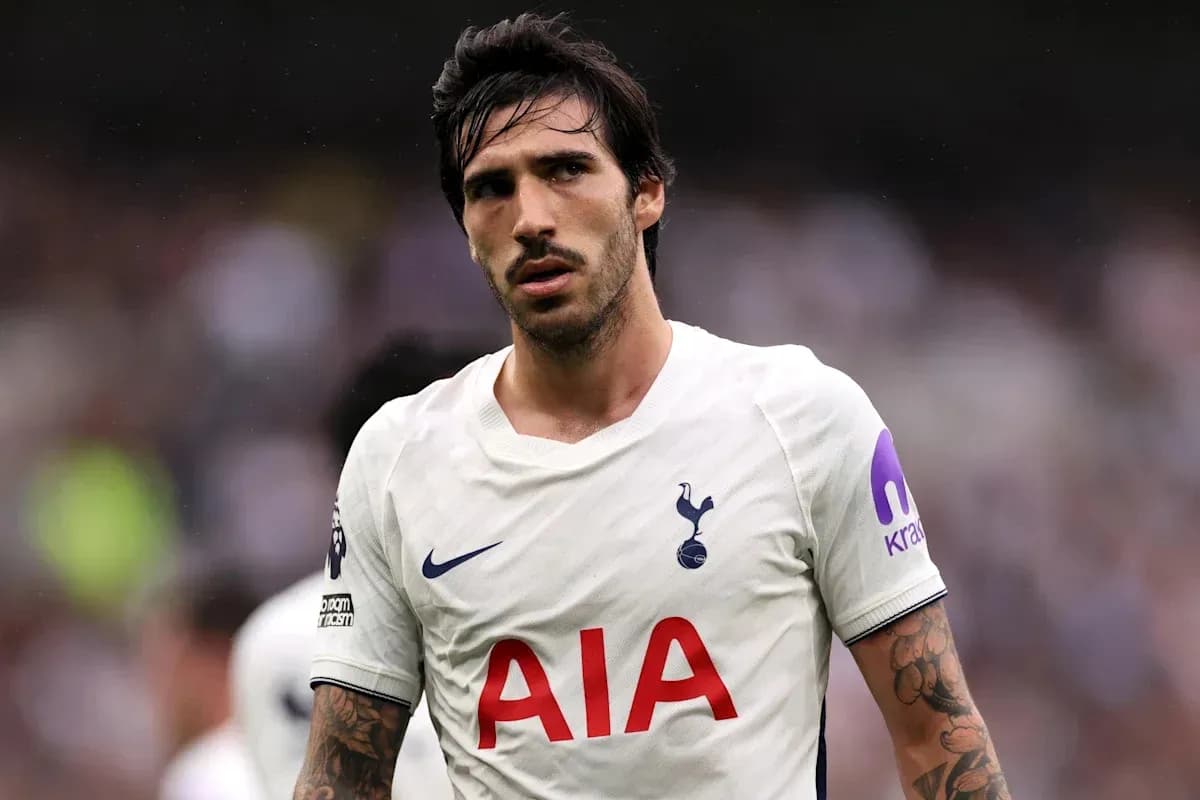
Sandro Tonali’s arrival underlines the scale of the rebuild. On paper, this is a window that drags Tottenham’s squad into a different bracket. On the pitch, it now becomes De Zerbi’s problem – and opportunity.
Not every decision convinced. Letting Will Lankshear leave felt like a misstep. There was a pathway there: loan spells, gradual development, a potential long-term asset. Spurs have at least secured a healthy sell-on clause, but it still looks like a door closed too soon.
The goalkeeping situation also lingers as a concern. Martin Dubravka does not look like a serious threat to Antonin Kinsky’s place, and Kinsky himself remains an uncertainty. With so much else refreshed, this felt like a missed chance to upgrade one of the most important positions on the pitch.
Even with those caveats, the overall verdict is clear: Tottenham’s hierarchy have gone big, bold and expensive.
Fitzie’s transfer window rating: B+.
Now it’s over to De Zerbi. With a lighter schedule, a heavier squad, and a fanbase demanding progress, what he does next will define whether this window is remembered as a turning point or a squandered opportunity.