Chelsea's Wild Comeback: Overcoming Leeds 6-3 in Carabao Cup
Chelsea stared at embarrassment, then tore the game to pieces.
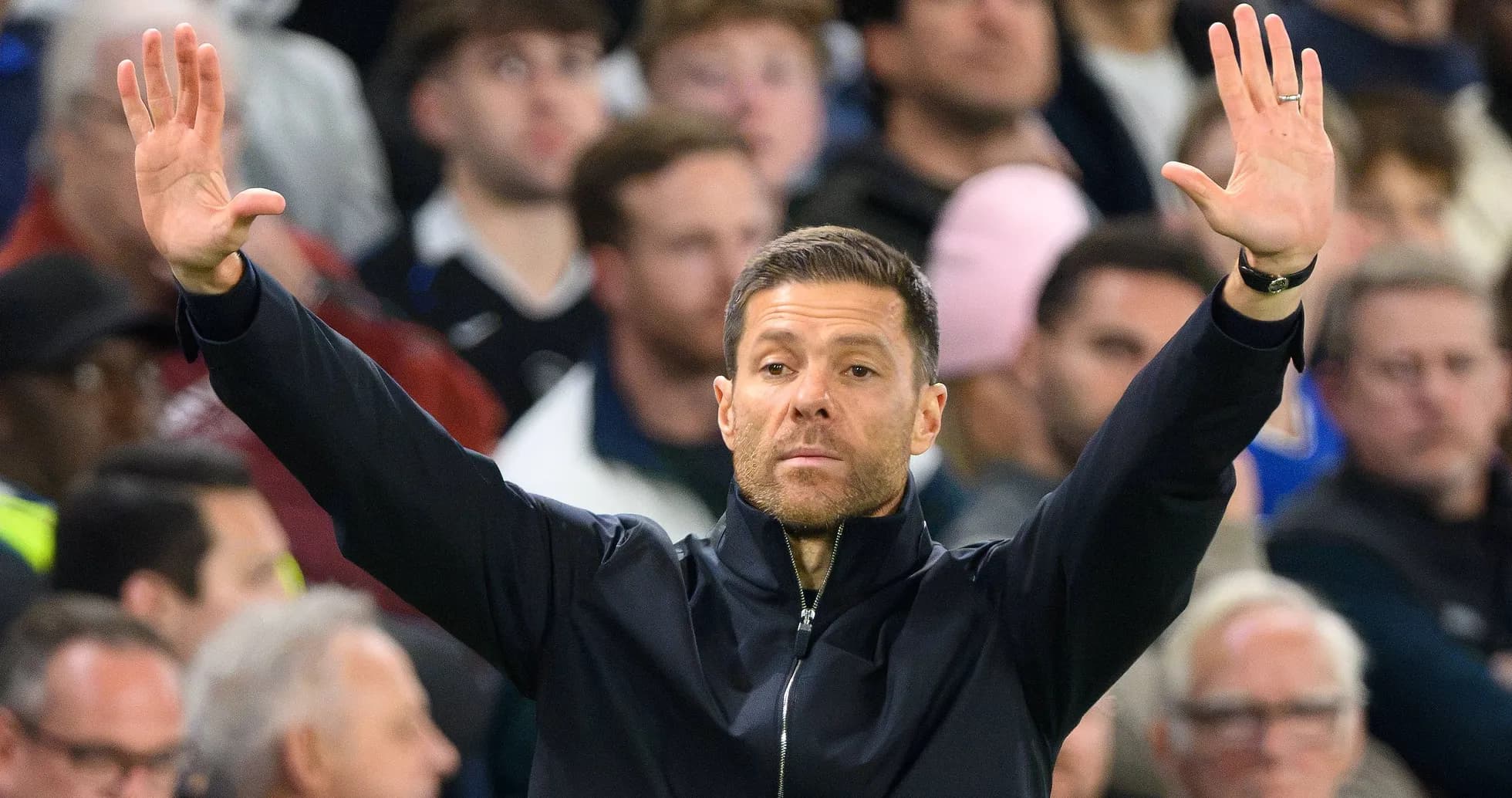
Xabi Alonso’s side, heavily rotated and badly disjointed, flirted with a Carabao Cup exit before detonating into life after the break to beat Leeds 6-3 in a wild, breathless tie that said as much about their flaws as their firepower.
Chaos before the comeback
Alonso rolled the dice. Nine changes from the weekend defeat to Arsenal, a starting XI stitched together from squad players and hopefuls. It showed.
Leeds smelled weakness immediately. Chelsea’s shape sagged, their pressing lacked bite, and the visitors played with the kind of clarity the hosts were missing. Tarik Muharemovic punished them, striking before the interval to give Leeds a deserved 1-0 lead at half-time.
Stamford Bridge grew restless. The rotated side looked exactly that: strangers in blue shirts, vulnerable every time Leeds broke.
Any hope of a reset after the interval lasted only a few minutes. Brenden Aaronson doubled the advantage shortly after the restart, and suddenly this wasn’t just an awkward night. It was a looming embarrassment.
Chelsea were 2-0 down at home, out-fought and out-thought. Alonso had seen enough.
Four changes, one transformation
The manager swung hard at half-time, introducing four substitutes in a single, ruthless sweep. It wasn’t subtle. It was survival.
The impact was instant.
Cole Palmer took charge, first from the penalty spot. He buried his kick, dragged Chelsea back into the contest, then, within two minutes, struck again. The tie, drifting away, was level in a flash. Leeds, so composed for nearly an hour, suddenly looked rattled.
The pressure finally told. Pedro Neto, feeding off the new intensity around him, completed a staggering six-minute turnaround with a crisp finish. From 0-2 to 3-2 in a blur, the entire mood inside the stadium flipped.
Leeds, who had dictated the first hour, were now clinging on.
Chelsea smelled blood. Morgan Rogers, one of the substitutes, began to run the game in the final third. His pass released Danny Welbeck, who added a fourth to stretch the lead to 4-2 and seemingly end the contest.
It didn’t. Not quite.
Dominic Calvert-Lewin pulled one back to make it 4-3 and re-open the door to a shock. For a few uneasy minutes, the earlier fragility returned. Every Leeds attack felt like a test of Chelsea’s nerve.
Valentin Barco slammed that door shut. His first goal for the club restored daylight, a landmark moment buried inside the chaos but no less important for it. When Welbeck struck again late on, completing his brace, the scoreline finally reflected the attacking onslaught: 6-3, a frantic, flawed, but ultimately successful escape.
Rogers walked off with three assists, the quiet architect of the second-half blitz.
Alonso takes the blame
The post-match narrative could easily have turned on Chelsea’s depth, or lack of it. Ten first-team signings arrived in the window, yet the second string looked soft, especially without the protection of regular starters. Defensively, they were exposed. Mentally, they wobbled.
Alonso, though, refused to turn on his fringe players.
“I take responsibility,” he said. No hedging, no deflection. The Spaniard admitted that such heavy rotation had left his side vulnerable, and that the first half had unfolded exactly as a team short on rhythm and understanding might fear.
He spoke of the lack of time on the training ground with those on the fringes, of the difficulty of asking them to compete at this level without that foundation. He promised a deeper assessment of how to help the rarely used players have a “better impact” and a “better feeling” when they are called upon.
“Maybe I made it too difficult,” he conceded, while praising the substitutes who transformed the game and insisting the blame sat with him, not with those who struggled.
When questions turned to squad depth and the reliability of his backup options, Alonso pushed back. He rejected the idea that the performance exposed a fundamental lack of quality behind his first-choice XI, instead pointing again to his own decisions and the context he had created for those players.
A warning wrapped in a win
Chelsea are through. That matters. The reaction, the six-goal surge, the performances of Palmer, Neto, Welbeck and Rogers off the bench – all of it underlines the attacking weapons at Alonso’s disposal.
But the manner of the win leaves a clear warning. Rotate this heavily, with this little cohesion, and even midweek cup ties can spiral.
Alonso walked away relieved, no doubt, but also with a problem to solve: how to turn a bloated, uneven squad into a reliable machine, not just a rescue act waiting for the cavalry from the bench.
On this evidence, the Cup run will not be short on drama. The question is whether Chelsea can find control to match their chaos before the stakes rise again.