Barcelona Signs Gabriel Jesus as New No. 9 After Julián Álvarez Pursuit
The search for a centre-forward in Barcelona has been long, public and, at times, desperate. Julián Álvarez was the dream. That pursuit ran all summer and went nowhere. So the club pivoted — fast.
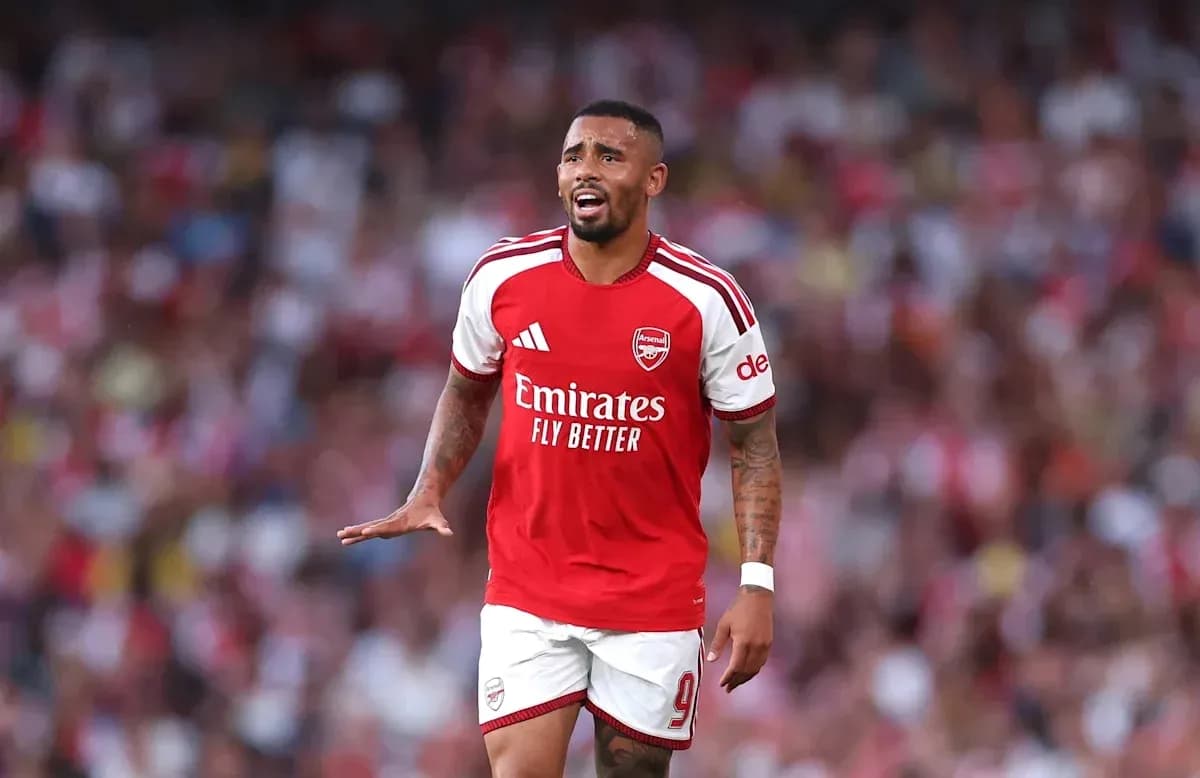
By Monday, Gabriel Jesus was in Catalonia.
The Brazilian landed, passed his medical and took his seat in the directors’ box at the Spotify Camp Nou to watch his future teammates dismantle Rayo Vallecano. Before kick-off, he addressed the only question that really hangs over him now: that knee. The forward insisted it is “perfect” after the ACL injury he suffered in 2025. Barcelona are betting that he is right.
Three years, not two
Early reports painted this as a short-term patch: two years with an option for a third. That has changed. According to the latest information from Mundo Deportivo, Barcelona have committed to a full three-year deal, tying the 29-year-old to the club until the summer of 2029.
No half-measures, no optional year. A guaranteed three-season window for Jesus to relaunch his career and for Barça to stabilise a position that has troubled them since Robert Lewandowski’s decline.
The club will pay Arsenal a €10 million fee, with a further €4 million in add-ons, and the Premier League side keep a 20% sell-on clause. For a player of Jesus’ profile and experience, that is not superstar money. It is calculated risk money.
Flick’s puzzle up front
The timing is intriguing. Hansi Flick has opened the season with Raphinha thriving as a makeshift No. 9, stretching defences and finishing clinically. On form, the Brazilian winger-turned-striker looks every inch the coach’s first choice.
Jesus arrives into that context, not as an automatic starter but as competition and cover. Flick gains a forward who can press, drift wide, combine in tight areas and attack the box — a profile that dovetails neatly with his high-tempo, aggressive style.
Once the paperwork is complete and La Liga registration confirmed, Jesus will be available for the next match against Valencia. From there, Flick has decisions to make: does he keep Raphinha central, use Jesus as an impact option, or eventually flip their roles?
A fragile body, a familiar pedigree
The doubts are obvious and legitimate. Jesus has struggled with fitness, rhythm and repeated injury setbacks. The ACL issue in 2025 only amplified concerns that his explosiveness might be fading.
That is why this move is framed as a gamble.
Yet look at the numbers involved, the length of the contract and the current market. For €10 million plus incentives, Barcelona are buying a forward who has started for Brazil, won titles in England, and knows the demands of a club that expects to compete on every front.
His style fits the idea: constant movement, aggressive pressing, willingness to sacrifice himself for the team’s structure. If Barcelona can control his minutes and manage his workload, the risk begins to look more like an opportunity.
On Monday night, Jesus watched from above as his new teammates made light work of Rayo. Soon, he will be down on the pitch, part of a frontline Flick hopes can carry Barcelona through a long season.
The question now is simple: is this a stop-gap that steadies the ship, or the start of a late-career revival that reshapes Barcelona’s attack through 2029?