Bacary Sagna's Concerns Over Football's Transfer Market
Bacary Sagna has watched this transfer window unfold with the same disbelief as many supporters – but his concern runs deeper than a few eye-watering headlines.
The former Arsenal and Manchester City full-back, a veteran of the early years of the Premier League’s money boom, sees a market now spinning away from football’s foundations and towards something he barely recognises.
Barcola deal sparks alarm
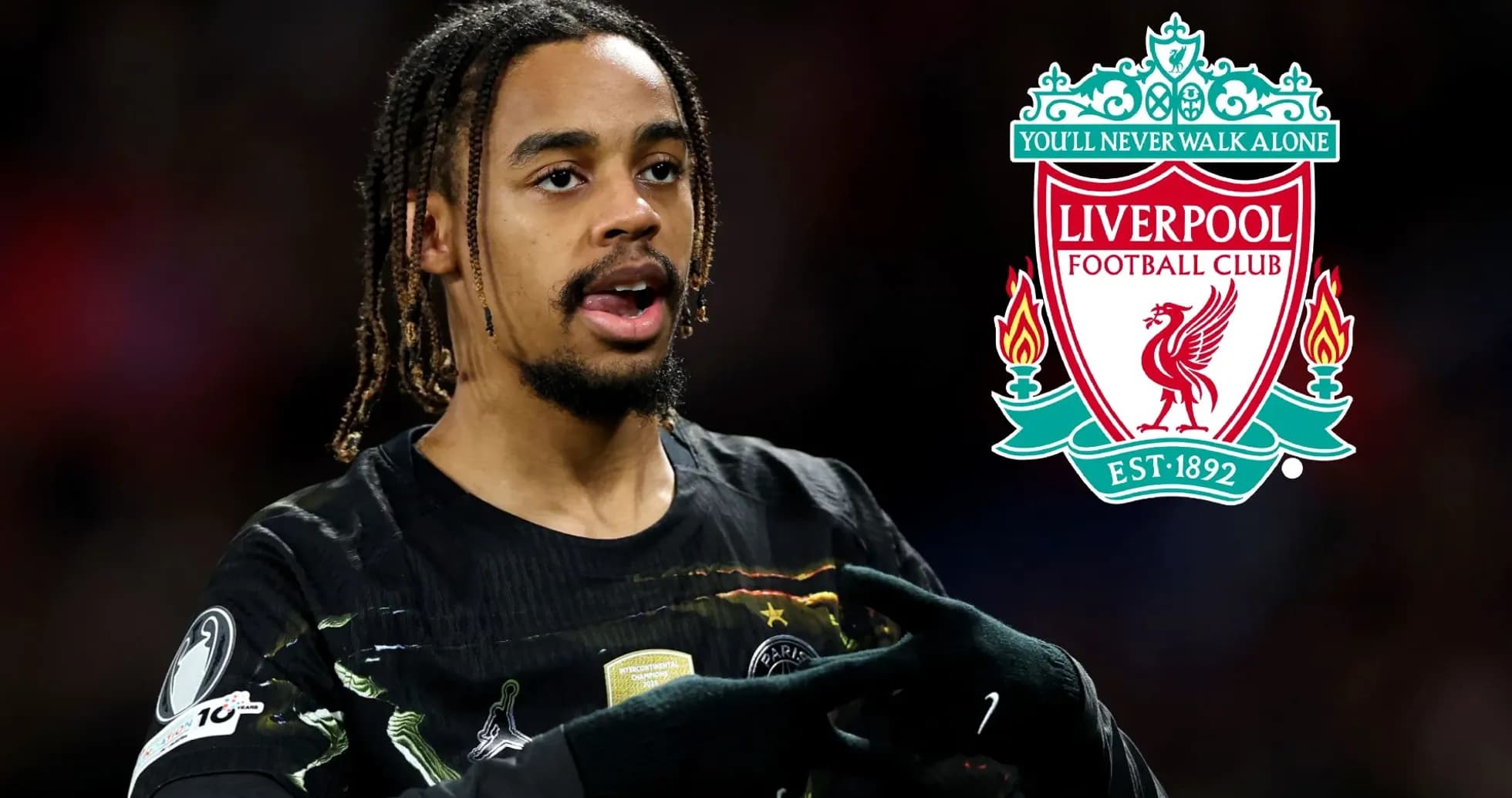
The latest flashpoint is Liverpool’s move for Champions League winner Barcola, a marquee arrival at Anfield and another symbol of a sport drowning in its own wealth.
Barcola, 24, has already proved his quality at Paris and Lyon. Nobody doubts the talent. That is not Sagna’s argument. The figure attached to his name is.
The Frenchman highlighted the reported £123 million fee and the logic that underpins it: if players of similar or lesser ability are going for £100m, then a better one must cost more. On paper, in a market driven by comparisons and precedents, it adds up.
On a human level, Sagna insists, it does not.
For him, there has to be a line. Some kind of ceiling. A point where the sport collectively says: enough.
He believes Arsenal were right to walk away once the numbers climbed into the nine-figure stratosphere, even if it meant watching a high-class player head to a rival. The principle matters more to him than winning an auction.
Premier League’s spending spiral
Barcola is only the latest piece in a much bigger puzzle. Morgan Rogers, Enzo Fernandez and a string of others have helped push transfer records to new heights, with Chelsea heavily involved in that escalation.
Liverpool have poured money into reshaping their squad across the last year. Chelsea’s outlay has redefined what a rebuild looks like. Manchester City, Tottenham and Arsenal have all spent aggressively to stay in the arms race.
Fees rise. Wages follow. And, as Sagna points out, ticket prices and costs for loyal supporters creep up with them.
He fears the game is drifting into dangerous territory, where every summer becomes a new benchmark and every benchmark pushes the sport further away from its roots.
“Football became a business – and that cuts both ways”
Sagna accepts the obvious truth: football is a business now, and a lucrative one. That, in itself, is not the problem. The problem comes when there are no brakes.
Any booming industry has a dark side. For football, he sees it in the absence of effective financial rules, the sense that any player can move for any fee as long as someone is willing to pay it.
That lack of restraint, he argues, opens the door to the sort of scandals that have already dragged FIFA through the mud. When governing bodies flirt with selling off the game’s biggest showpiece, the World Cup, to the highest bidder, he is not shocked. He is not even mildly surprised.
In his eyes, it is the inevitable outcome of a sport that has lost sight of its limits.
“There have to be rules and roots”
Sagna reaches for something more fundamental. Education. Values. The idea that who you are is shaped early, grounded in basics that never really change.
He believes football needs the same grounding. Clear rules. Strong roots. A framework that protects the essence of the game from the excess around it.
Strip away those basics and trouble follows. The ongoing battles around FIFA are, to him, just one symptom of a wider disease. The same tensions will hit clubs and players if the current path continues.
He can see what comes next: players complaining, clubs complaining, institutions buckling under the strain of trying to keep pace with an inflated market. Financial fair play rules will be broken. The biggest clubs, with the deepest pockets and most powerful lawyers, will bend the system to their will.
Others will fall behind.
A warning for the game’s future
When that happens, Sagna warns, the overall product suffers. If only a handful of teams can afford the very best, the gap widens. Quality drops outside the elite. Image rights lose value. Broadcasters and sponsors pay less for a league with fewer truly competitive sides.
Once that slide begins, it is hard to reverse.
This is the heart of his message. Not envy at modern salaries. Not bitterness about a new generation earning more than his own. A genuine fear that football, by chasing ever-bigger numbers, is eroding the competitive balance and authenticity that made it so valuable in the first place.
Barcola will almost certainly thrill Liverpool fans. He may justify every penny on the pitch. That is not the question Sagna is asking.
He is looking five years down the line, to a world where £500m transfers are no longer unthinkable, and wondering whether the sport will recognise itself when it gets there.