Arsenal's Summer Transfer Drama: A Risky Gamble on Attack
Arsenal’s summer always promised drama. Few expected it to be this ruthless.
Three attackers out, one in. Leandro Trossard to Besiktas for £17.1m. Gabriel Jesus to Barcelona for £8.5m. Gabriel Martinelli, the terrace favourite, sold to Al-Hilal for £60m. In their place, at least in terms of direct attacking arrivals, just Christos Tzolis from Club Brugge for £34m.
For a club that has spent the last two seasons pushing for the title, it is a bold gamble on both availability and evolution.
A thinner frontline by design
On paper, Arsenal have stripped away two natural left wingers and a central striker. Trossard and Martinelli gave Mikel Arteta options out wide, Jesus knitted everything together through the middle. All gone in one window.
What remains is a more streamlined, more specific attacking structure. Tzolis and Eberechi Eze are now the primary sources of width from the left. Kai Havertz, Viktor Gyokeres and Mikel Merino will carry most of the central burden.
The depth chart looks lighter. Arteta insists it looks smarter.
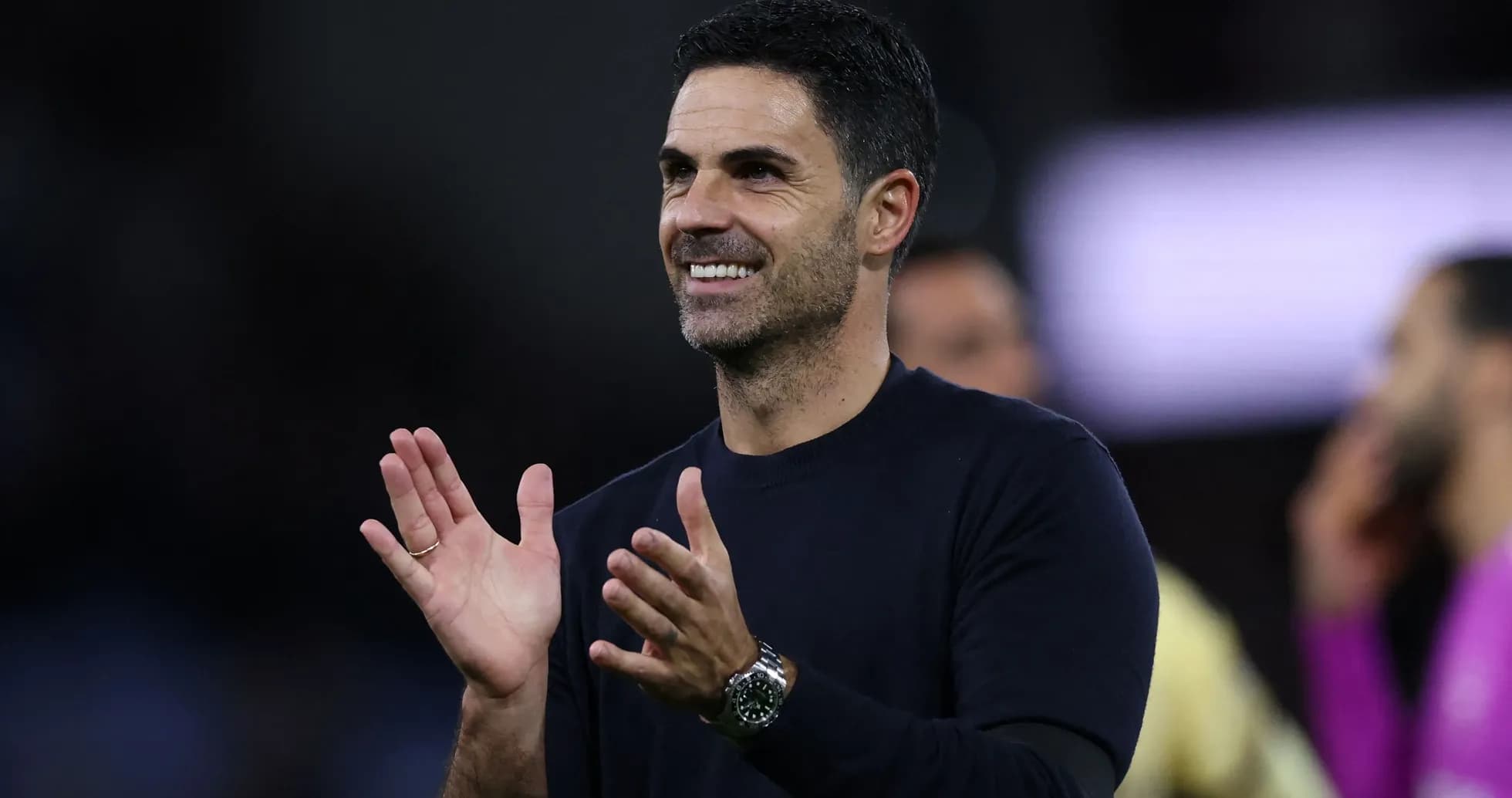
Asked if he regretted leaving himself so exposed in attack, the Arsenal manager did not blink.
“No. The selling of players can come from different aspects as well. It's not always the same one. That's part of the responsibility we have at the football club,” he said, leaning heavily on the numbers behind the decisions.
“I understand the point of view, but we have to understand the amount of minutes those players played and the ones that were injured, especially in the first six months. Then the data shows something completely different, but it is what it is. This is what we have and we already have some very good players.”
That, in essence, is the club’s argument. On the surface, Arsenal have lost three high-profile forwards. On the spreadsheets, they have moved on players whose availability and usage did not match their status.
Martinelli: a goodbye that stung
Of the departures, Martinelli’s cut deepest.
Seven years in North London, a player fans watched grow from raw teenager to Champions League regular. His energy, his direct running, his knack for big moments – all woven into the club’s recent resurgence. Letting him go was never going to pass quietly.
Arteta framed the decision through the lens of availability and impact over time. He pointed to Gabriel Jesus’ long absence, the Brazilian only returning in December after an 11‑month ACL layoff. While Trossard and Martinelli stayed fitter, they were still in and out at key points.
Trossard missed two league games through injury in the first half of last season, Martinelli the same. The Belgian still logged 1,049 league minutes in that period. Martinelli managed just 535. Intermittent starts, reduced rhythm, and ultimately a choice: refresh the frontline or carry the same questions into another title push.
“With Gabi, I have gratitude. It's been a pleasure to work with him and be part of his journey,” Arteta said.
“The Gabi I met and the one that just left had a huge transformation both personally and professionally. The impact he had for the club, his ambition, his love for the game and the way he has helped us to grow and achieve our goals, he has been a critical player. The story ends, and we wish him all the best in a different one.”
It was a farewell laced with admiration, but also with finality. Arsenal are not just trimming; they are turning a page.
Ambition promised, ambition questioned
Not everyone is convinced.
In the raw aftermath of the Champions League final, Arteta had promised Arsenal would be “very ambitious, fast and smart” in the market. Those words stuck. As the window closed without a late attacking flurry, some supporters turned them back on him.
Where was the “fast”? Where was the “very ambitious” when three attackers left and one arrived?
Pressed on whether the club had actually delivered on those promises, Arteta doubled down on the process rather than the optics.
Asked if all those criteria were ticked, he replied: “100 per cent ticked. The outcome after can be different to what you expect, but the intention was certainly there, which is what I value the most.”
The message is clear: judge the plan over months, not the headline count of ins and outs. Arsenal believe their squad is now more coherent, if leaner. The risk, of course, is that one injury in the wrong area exposes just how lean.
Derby on the horizon, fitness in focus
There is no gentle runway to test this new balance. A London derby looms, and with it the first real audit of Arsenal’s retooled attack.
Arteta’s updates on key players carried a cautiously upbeat tone. Bruno Guimaraes remains a doubt after missing training, but there is optimism he will be ready.
“He had a knock against Villa and he's been assessed. He will probably be okay for training tomorrow,” Arteta said.
The same measured hope applied to Mosquera, who came off against Aston Villa.
“It was more precaution than anything else to bring Mosquera off against Aston Villa. We will have to see how he feels in the session tomorrow. Jurrien is in really good condition. He's been on the pitch for a few weeks and training with us, so he's in a good place. We will decide tomorrow after training if he is available.”
So Arsenal head into derby week lighter in numbers, heavier in expectation. The board has backed a sharper, more selective version of Arteta’s vision. The manager has nailed his colours to the mast.
Now the question hangs over the season ahead: has he traded depth for decisiveness, or sliced too close to the bone?