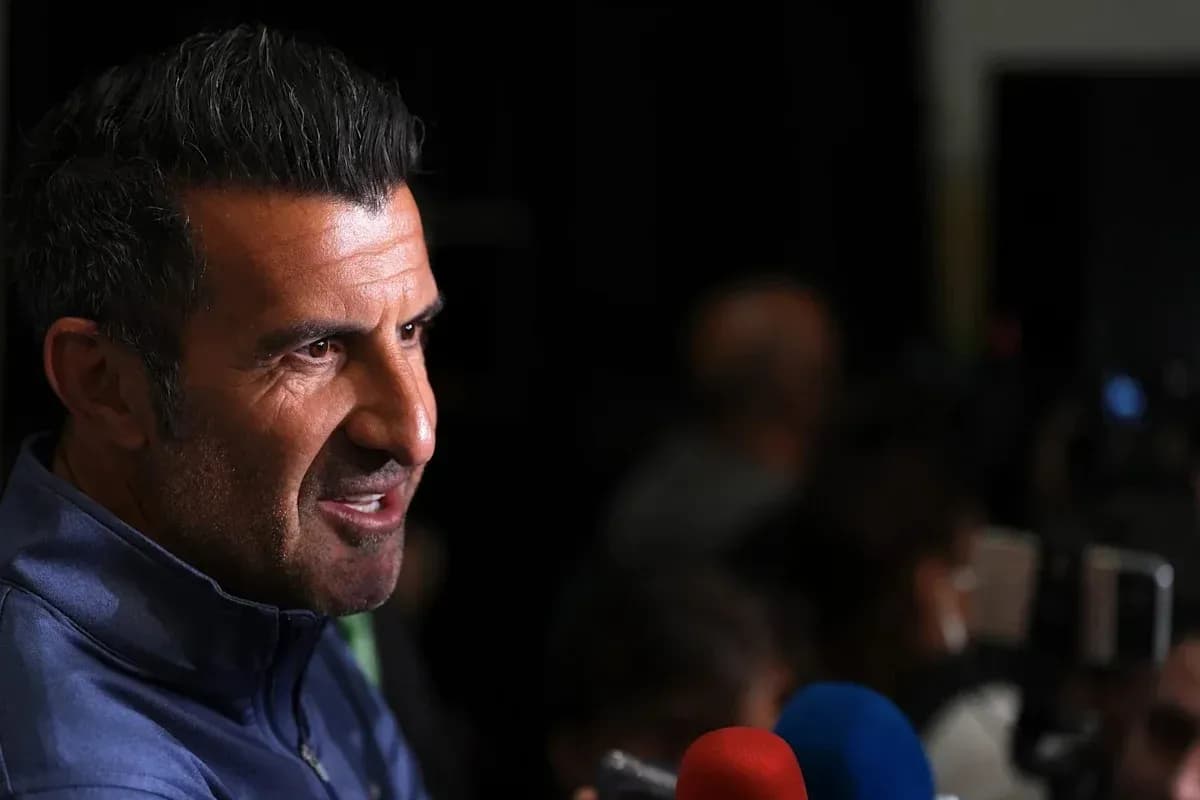
Armed Attack on Johan Martínez Shocks Deportivo Cali
The car should have been a place of safety. Instead, Johan Martínez and his family found themselves staring down the barrel of a gun in the streets of Cali.
According to reports in Marca, the Deportivo Cali player was targeted in a violent ambush in the city, threatened at gunpoint while travelling with his loved ones. What should have been a routine journey became a terrifying ordeal that has shaken not only the club, but an entire footballing nation already on edge over rising violence.
Deportivo Cali moved quickly. The club’s hierarchy issued a forceful statement, leaving no room for ambiguity.
“Club Profesional Deportivo Cali S.A. categorically rejects the acts of violence and intimidation to which our player was subjected yesterday. Our institution expresses its full support and solidarity with Johan and his family. No form of aggression, threat, or intimidation has a place in football or in our society.”
No soft language. No attempt to downplay. Just a clear message: this is a line that cannot be crossed.
The details make for grim reading. Speaking to Super Combo del Deporte, club legal director Felipe Restrepo laid bare the severity of the incident.
“They intimidated him with a firearm, they assaulted him; this cannot happen, people who do this are not fans.”
Those words cut to the heart of the issue. This was not passion boiling over. This was criminality, dressed up in club colours.
Inside Deportivo Cali, the response has been immediate and intense. Officials from the Azucarero institution have rallied around Martínez, promising full institutional backing and condemning what they describe as part of a “rising tide” of violence in Colombian sport. The club has arranged comprehensive psychological counselling for the player as he tries to process the trauma of being attacked with his family at his side.
Remarkably, Martínez has already returned to first-team training. There are no serious physical injuries reported, but the emotional scars from an armed hold-up rarely fade quickly. Every journey, every glance in the rear-view mirror, can carry a memory.
The incident has reignited a fierce national debate: how safe are professional footballers and their families in Colombia right now? This is not an isolated story, and the pattern is becoming harder to ignore. When players begin to feel hunted off the pitch, the entire ecosystem of the sport starts to crack.
Deportivo Cali are not leaving the matter to public outrage alone. Club officials are working hand in hand with judicial authorities and the Cali Police Department to identify the attackers and establish a motive. The expectation is clear: this cannot be another case that drifts into silence.
While investigators move, the football side of the club faces a different kind of test. The dressing room has absorbed a shock. Coaches now carry more than tactical boards into training; they carry the responsibility of holding a shaken group together.
Substantial pressure sits on the staff to keep morale intact before the next league fixture. The upcoming match is no longer just about points or position. It has become a measure of psychological resilience, a question of whether a squad can refocus and perform while one of their own is still dealing with the echoes of a gun being drawn in front of his family.
The ball will roll again for Deportivo Cali. The real issue is whether Colombia can stop the violence from rolling with it.