Argentina's Homecoming: Three-Match Series Post-Messi Era
The world champions are coming home. For once, they might not leave.
According to ESPN Argentina, the AFA are piecing together a three-match series on home soil for the FIFA window between 21 September and 6 October, turning what was meant to be a long-haul tour into a domestic showcase for the new Argentina.
Monumental curtain-raiser, provinces on alert
The plan starts where it always feels biggest: El Monumental. The opening match is being pencilled in for Buenos Aires, against either South American opposition or a CONCACAF visitor. The rival is still to be confirmed, but the stage is not. River Plate’s stadium remains the natural theatre for a national team in transition, still draped in the glow of a world title and the sting of a World Cup final defeat.
After that, the spotlight is expected to move inland. The remaining two fixtures are set to leave the capital, with Cordoba and Rosario emerging as the leading candidates to host the Albiceleste. It would be a classic Argentine homecoming: the selección spreading itself across the country, taking the new chapter to the provinces that feed its talent.
On the morning edition of Sportscenter, ESPN journalist Diego Monroig reported that Lionel Scaloni’s side now have an overwhelming probability of staying put for the entire window. The overseas plan has collapsed.
Monroig described the scenario as “a 90 percent chance” that all three games will be played in Argentina, a direct consequence of abandoned travel arrangements that once pointed the squad towards Asia.
Messi’s farewell rips up the map
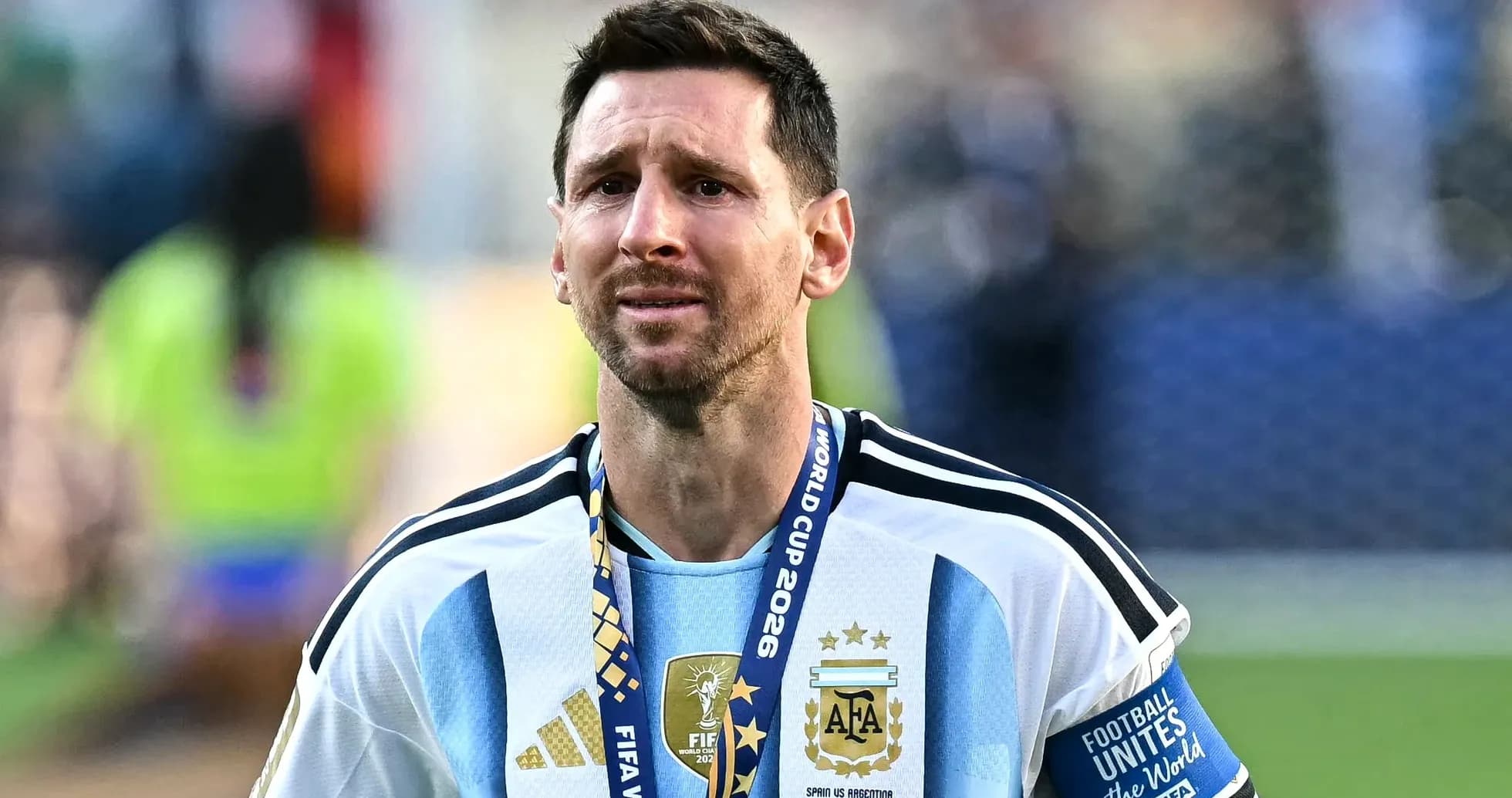
That Asia tour had felt almost locked in. A match in China was, as Monroig put it, “almost confirmed.” Then came the decision that changed everything: Lionel Messi calling time on his international career.
Once the captain stepped away, the logic of a commercial and symbolic tour evaporated. The AFA shelved the trip. The national team, suddenly without its talisman, will instead rebuild at home, in front of its own people, in stadiums that watched Messi grow and now must learn to live without him.
World Cup qualifying puzzle in the background
While friendly dates are being shuffled, a more structural debate rumbles on in the corridors of power. CONMEBOL and FIFA remain locked in talks over how South America’s qualification route to the next World Cup will look.
The core issue is simple, the implications anything but. Argentina, Uruguay, and Paraguay are co-hosts and therefore receive automatic berths. The question is whether those spots will be subtracted from the continent’s traditional 5.5 places or stacked on top of them.
The ruling will shape the entire qualification landscape. One thing, though, is already clear from Argentina’s side: the Albiceleste have formally requested to play the qualifiers in full, despite their guaranteed ticket as hosts.
They want the competition. They want the rhythm. They want to test the post-Messi project under real pressure, not just in friendlies.
Scaloni’s reset after final heartbreak
On the pitch, the September–October window carries more weight than a routine set of warm-ups. It is Scaloni’s first meaningful laboratory since July’s narrow 1-0 defeat to Spain in the World Cup final, a result that closed one era and forced the next to begin faster than anyone in Argentina would have liked.
Three matches, all at home, give the coaching staff a rare luxury: time with the squad, consistent conditions, and a demanding yet controlled environment to redraw the tactical blueprint.
This is not just about replacing a superstar. It is about reimagining how Argentina play without the gravitational pull of Messi. New leaders must emerge. A new hierarchy must form. Roles that for years revolved around one man now need fresh definitions.
And the calendar will not wait. Another FIFA window looms between 9 and 17 November, adding to what promises to be a relentless international schedule. By the time 2027 arrives, this experimental phase will be over; the expectations will be identical to those that followed Messi’s generation: win, and win in style.
For now, though, the stage is set closer to home. El Monumental, Cordoba, Rosario—three stops, one message: the future of the Albiceleste will not be built in distant stadiums, but under the unforgiving, demanding gaze of their own crowd.